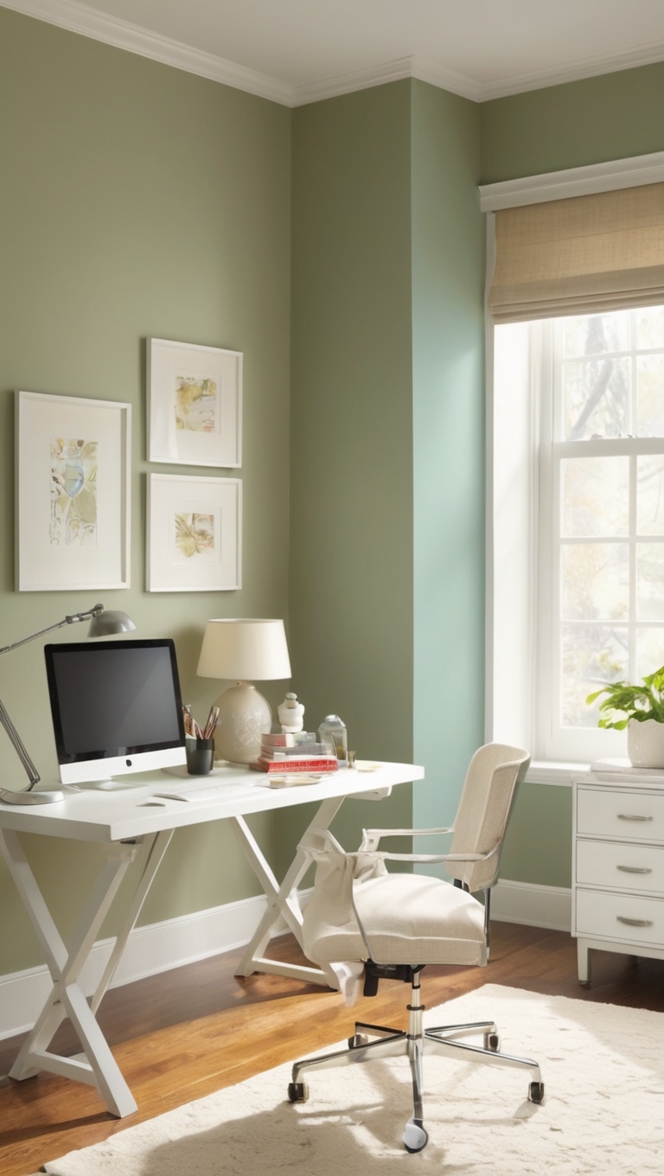
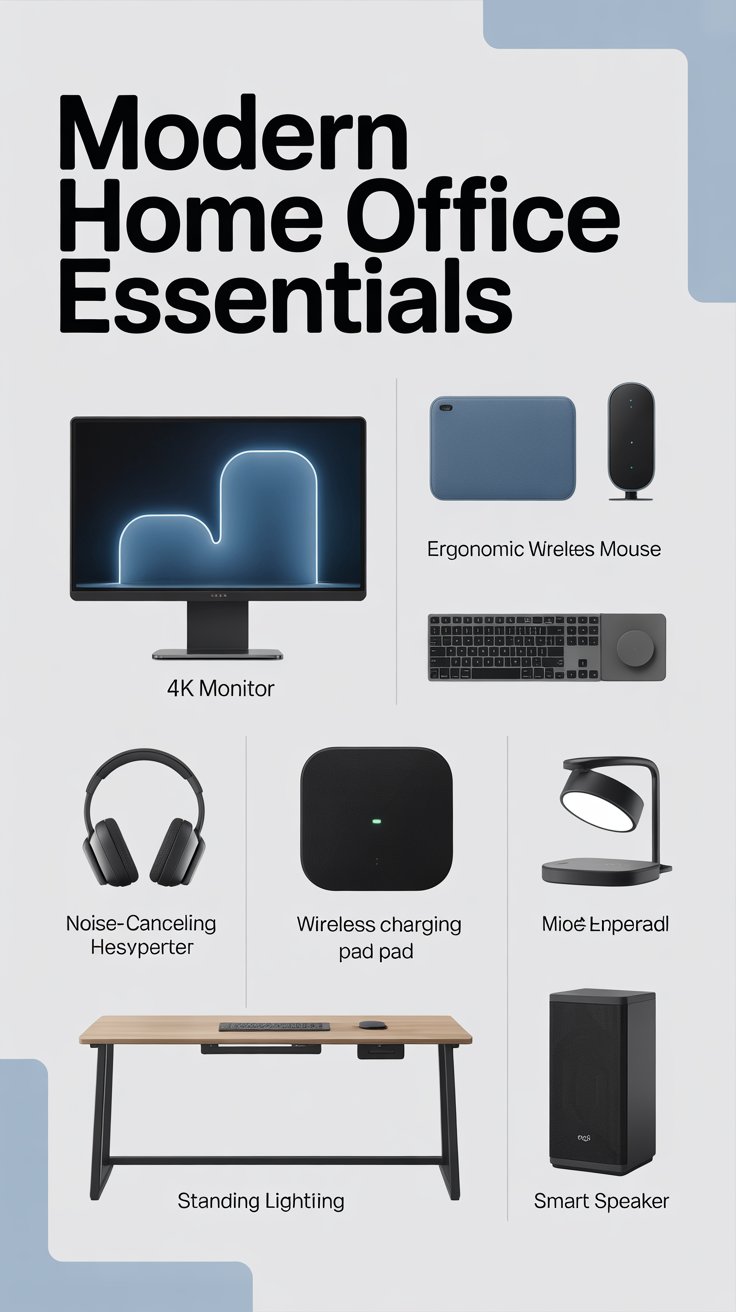
Here’s a comprehensive guide to must-have tech gadgets for a modern home office setup — designed to enhance productivity, comfort, connectivity, and workflow efficiency. Whether you’re a remote worker, freelancer, creative professional, or running a small business from home, these essentials will help you craft a workspace that’s both powerful and enjoyable.
🖥️ 1. Monitor & Display Essentials
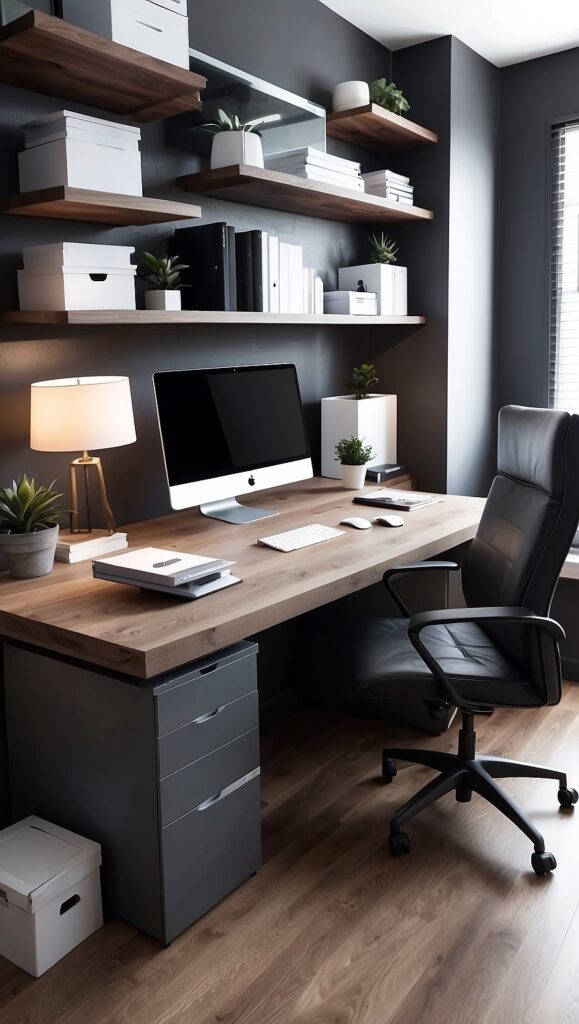
High-Resolution Monitor
A crisp, clear display is foundational for productivity — especially if you work with documents, spreadsheets, design, or code.
- Why it matters: Larger screens and higher resolution reduce eye strain, allow better multitasking, and make work more enjoyable.
- Recommended features: 27″ or larger, 4K or QHD resolution, IPS panel for wider viewing angles.
- Benefits: Easier comparison of documents, larger workspace for graphics or spreadsheets, fewer alt-tab switches.
Dual or Ultrawide Monitor Setup
For many professionals, one screen just isn’t enough.
- Dual monitors help you spread apps across screens — research on one side, writing on the other.
- Ultrawide monitors offer a seamless extended desktop without the bezel break of a dual setup.
Monitor Stand or Arm
Free up desk space and improve ergonomics.
- Why: Brings the display to eye level to maintain better posture and reduce neck strain.
- Bonus: Many stands offer cable management and adjustable height.
⌨️ 2. Input Devices
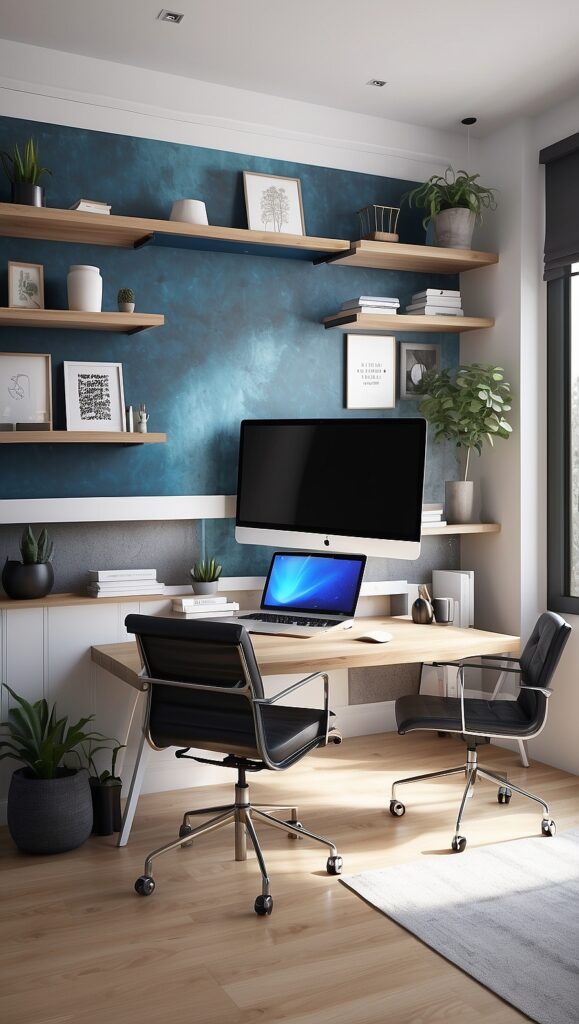
Ergonomic Keyboard
Standard keyboards can cause discomfort over time — ergonomic options provide natural hand positioning.
- Features to look for: Split design, mechanical switches, wireless option.
- Benefits: Enhanced typing comfort, improved productivity, reduced risk of repetitive strain injuries.
Precision Mouse or Trackpad
A high-quality pointing device makes navigation smoother and more accurate.
- Options: Ergonomic mouse, vertical mouse, or a precision trackpad.
- Benefits: Better control for design work, editing, long sessions without wrist pain.
Keyboard & Mouse Combo
If you prefer simplicity, go for a wireless combo with Bluetooth connectivity to reduce clutter.
🎧 3. Audio & Video Gear
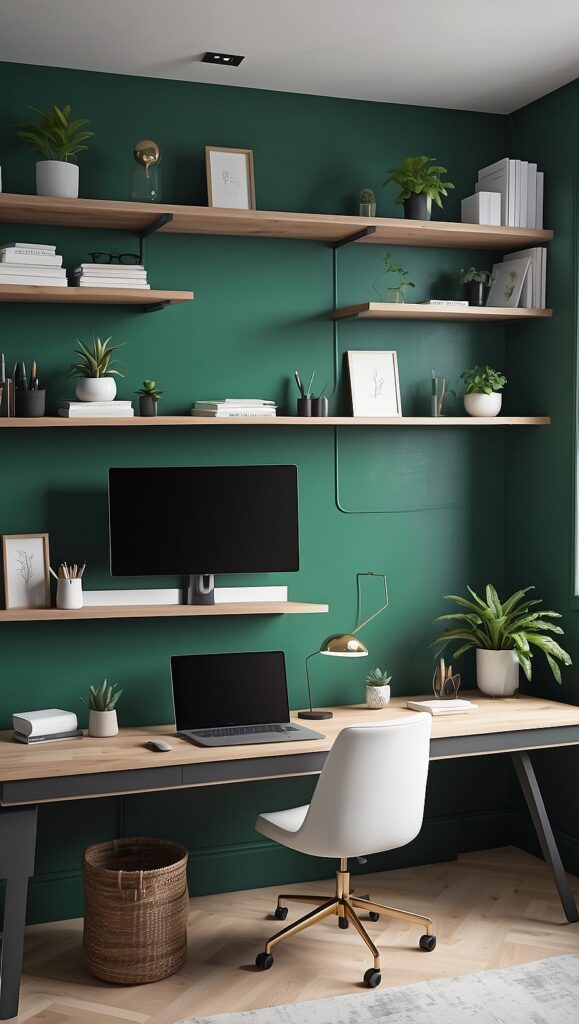
Noise-Cancelling Headphones
Whether joining Zoom calls or focusing on deep work, these are essential.
- Why: Blocks background noise and improves concentration.
- Recommended: Over-ear headphones with active noise cancellation and comfortable fit.
Quality Webcam
Built-in laptop webcams often lack clarity. An external webcam offers sharper video — ideal for video conferencing.
- Suggested resolution: 1080p at minimum; 4K if budget allows.
- Features: Autofocus, built-in mic (optional), wide-angle lens.
Microphone (USB or XLR)
Good audio quality makes meetings and recordings more professional.
- USB mics: Simple plug-and-play setup.
- XLR mics: Higher-end quality (if paired with an audio interface).
Speaker System
For music, podcasts, or presentations, dedicated speakers outperform laptop audio.
- Soundbar or 2.1 speaker system brings richer sound to your workspace.
💺 4. Comfort & Ergonomics
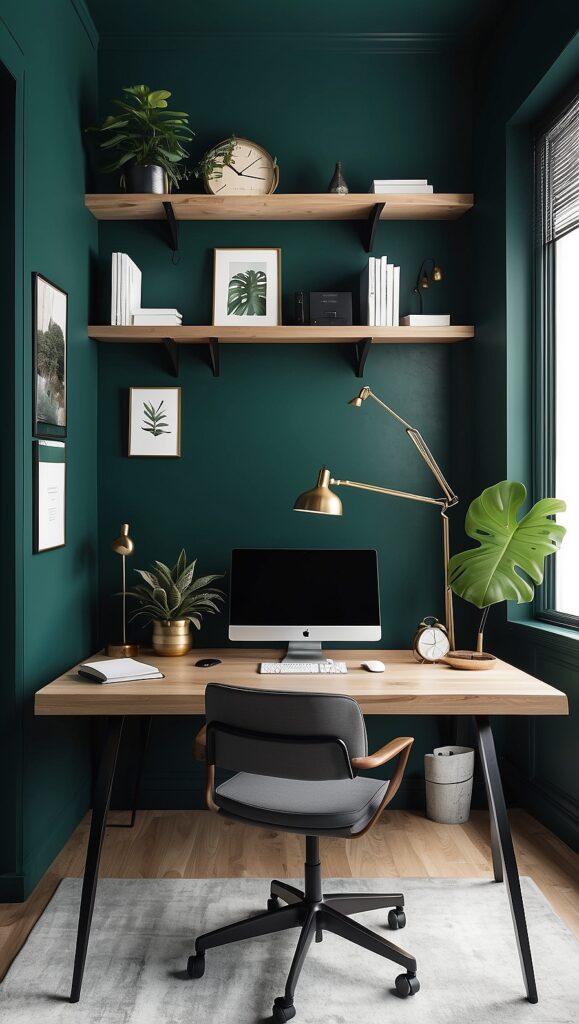
Adjustable Desk
A sit-stand desk boosts comfort and circulation.
- Benefits: Switch between sitting and standing to reduce fatigue and improve focus.
- Features: Electric height adjustment, memory presets, sturdy build.
Ergonomic Chair
Investing in an ergonomic chair is an investment in your body.
- Key elements: Adjustable lumbar support, seat height, armrests, breathable mesh.
- Effects: Better posture, less back pain, longer comfortable work sessions.
Anti-Fatigue Mat
For standing desk users — helps relieve pressure on feet and legs while standing.
🌐 5. Connectivity & Networking
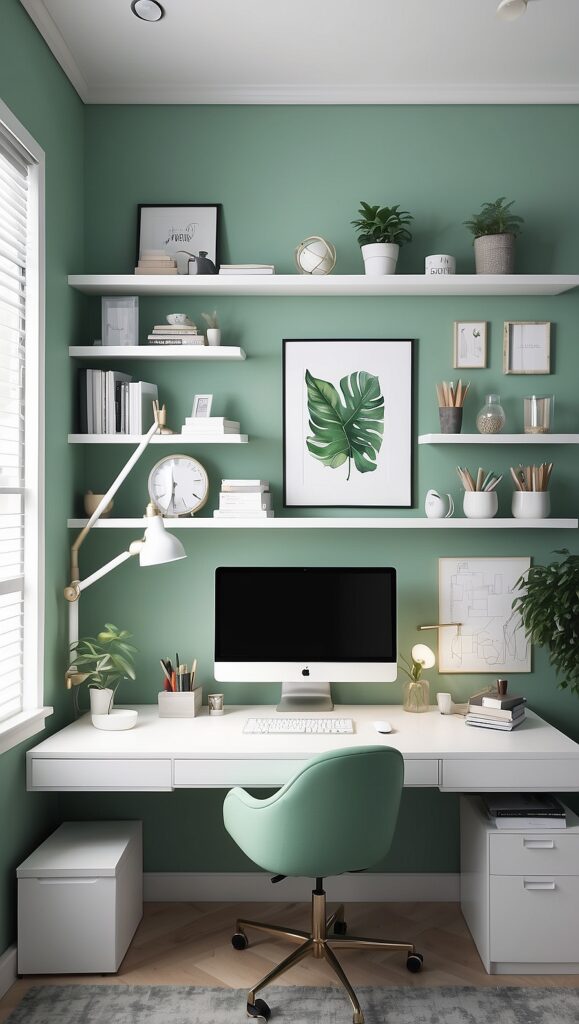
High-Speed Router
A fast and reliable internet connection keeps video calls smooth and uploads/downloads fast.
- Look for: Dual-band or tri-band routers, MU-MIMO support.
- Placement: Central in your home for optimal signal strength.
Mesh Wi-Fi System
Perfect for larger homes or areas with dead zones.
- Why: Provides seamless Wi-Fi coverage throughout your space.
- Benefits: Strong signal for video calls, uploads, cloud work, streaming.
Ethernet Adapter
For stable wired connection, especially during important calls and uploads.
- Benefit: Lower latency and higher reliability compared to Wi-Fi.
📦 6. Power & Cable Management
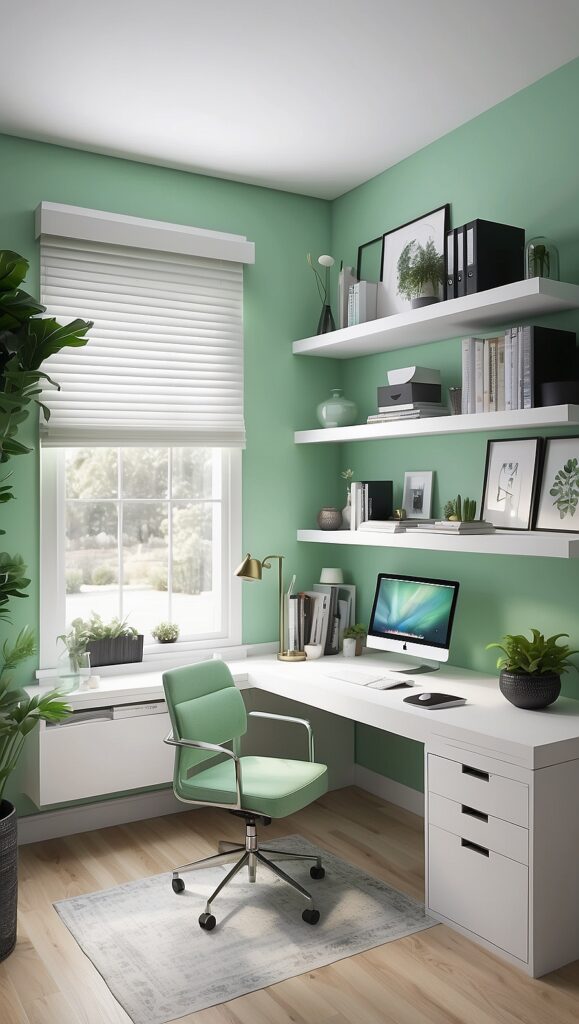
Surge Protector with USB Ports
Protect your devices from power surges and add extra USB charging ports.
- Tips: Choose one with spacing for bulky adapters.
- Benefits: Safeguards equipment and centralizes power access.
Docking Station
For laptop users — eliminates repetitive plugging and unplugging.
- Features: Multiple USB ports, HDMI/DisplayPort, Ethernet, SD card reader.
- Benefits: One cable connects your laptop to everything (monitor, keyboard, mouse, network).
Cable Management Tools
Under-desk trays, cable clips, and sleeves keep cords tidy and safe.
- Why: Reduces clutter and creates a streamlined look.
📱 7. Productivity Boosters
Tablet or Digital Notepad
Useful for sketching ideas, taking quick notes, reviewing PDFs, or presenting.
- Options: Apple iPad with Apple Pencil, or Android alternatives.
- Benefits: Natural writing experience, creative flexibility.
Smart Assistant Devices
Voice-activated hubs like smart speakers help manage tasks hands-free.
- Functions: Set timers, check calendars, control lighting/thermostats.
Portable SSD or NAS (Network Attached Storage)
Fast storage is essential for backups and large file access.
- Portable SSD: Great for work on the go.
- NAS: Centralized home storage — accessible from all devices.
🧠 8. Software & Cloud Tools (Tech That Isn’t Physical)
Cloud Storage Services
Services like Google Drive, Dropbox, or OneDrive keep files synced and backed up.
- Benefits: Access documents from any device and safeguard against data loss.
Task & Project Management Tools
Apps like Notion, Trello, or Asana help keep your workflow organized.
- Why: Track tasks, deadlines, and collaborate smoothly with teams.
Password Manager
Save time and improve security with tools like 1Password or Bitwarden.
- Benefits: Stronger passwords and secure autofill across devices.
🪄 9. Smart Office Enhancements
Smart Lighting
Good lighting reduces eye strain and improves mood.
- Smart bulbs or LED panels can be adjusted for brightness and color temperature.
- Benefits: Warmer tones for creative work, brighter whites for focused tasks.
Air Purifier
Creates a healthier workspace — especially helpful for those in dusty or urban environments.
- Benefits: Cleaner air, fewer allergens, better focus and health.
Desk Plant with Smart Monitor
Some office plants come with sensors for humidity and light — blending tech with nature.
🧘♂️ 10. Wellness Tech
Wearable Health Tracker
Devices like fitness rings or smartwatches monitor heart rate, sleep patterns, and activity.
- Benefits: Encourages movement breaks and balanced work habits.
Screen-Break Reminder Software
Apps like Stretchly prompt you to take regular breaks to reduce eye strain and fatigue.
⚙️ 11. Secure & Backup Solutions
VPN Service
Protect your data on public and home networks.
- Why: Encrypts traffic and enhances privacy.
- Recommended for: Remote workers handling sensitive data.
Automatic Backup Tool
Tools like Time Machine (Mac) or Windows Backup ensure your work is safely stored.
- Benefits: Peace of mind against accidental loss.
🏷️ 12. Budget-Friendly Alternatives
Not everyone needs premium gear — these options still make a big difference:
- Budget monitor: 24″ 1080p display with adjustable stand.
- Affordable keyboard: Comfortable ergonomic membrane keyboard.
- USB headset: A decent headset with mic for calls that doesn’t break the bank.
- Wi-Fi extender: A cheaper alternative to mesh if a single router doesn’t reach every room.
🧩 Putting It All Together: Sample Home Office Setup
Here’s an example of an ideal configuration at different budget levels:
Starter Setup (~$500–$800)
- 24″ monitor
- Wireless keyboard + mouse combo
- Basic webcam
- Budget ergonomic chair
- Surge protector
- Cloud storage subscription
Mid-Range Setup (~$1,200–$1,800)
- 27″ 4K monitor
- Ergonomic keyboard + precision mouse
- Noise-cancelling headphones
- External webcam + USB mic
- Adjustable desk
- Mesh Wi-Fi or router upgrade
Premium Setup (~$2,000+)
- Dual 4K monitors on an arm
- High-end ergonomic chair
- Electric sit-stand desk
- Studio-quality microphone + headphones
- NAS storage
- Smart lighting and auxiliary wellness tech
💡 Final Tips for Choosing Tech
- Align with your workflow: Choose tools that support your daily tasks.
- Prioritize ergonomics: Your health and comfort matter — especially for long hours.
- Think future-proof: Invest in devices with good support and connectivity.
- Balance quality & budget: It’s better to invest in a few pieces you’ll use every day than many you rarely touch.
🏁 In Summary
A modern home office is more than just a desk and a chair — it’s a curated tech ecosystem designed to support productivity, comfort, and creativity. From high-resolution displays, ergonomic input devices, and powerful connectivity gear to audio/video essentials, smart enhancements, and wellness tech, the right gadgets elevate your workflow and improve your work-life balance.
Whether you’re building your setup from scratch or upgrading piece by piece, this guide gives you a comprehensive roadmap to create a home office optimized for success.