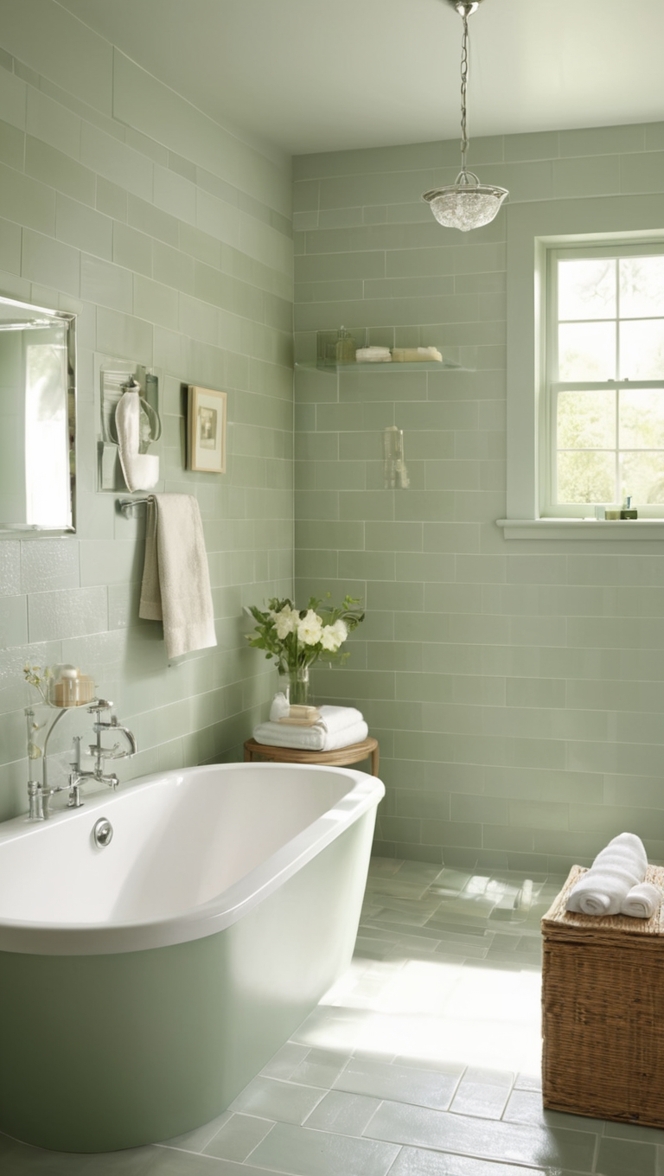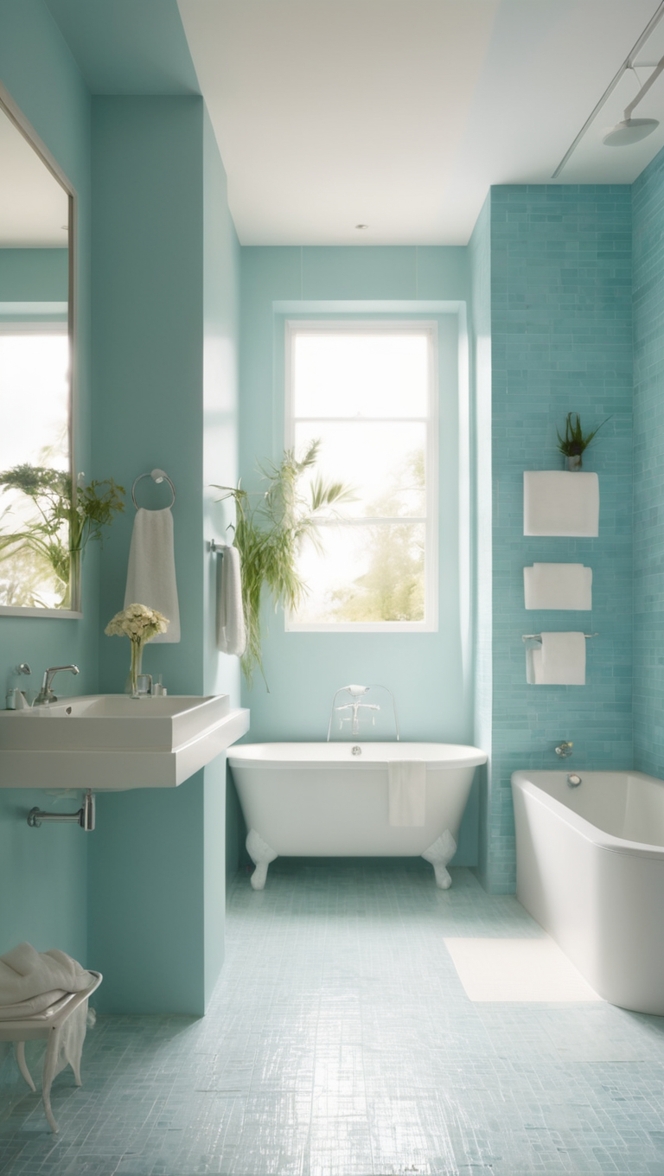
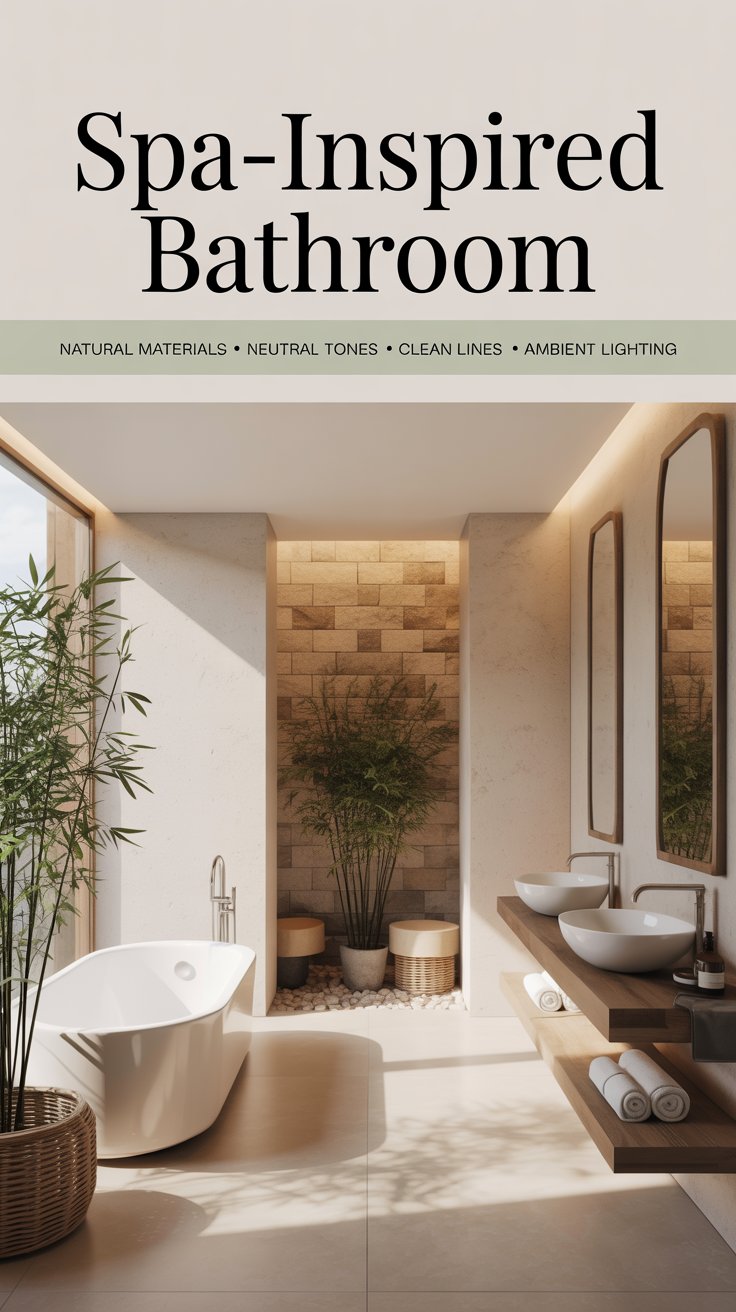
A spa-inspired bathroom aesthetic is all about calm, comfort, and quiet luxury—turning an everyday space into a personal retreat where stress melts away. Rather than flashy décor or trend-heavy finishes, spa bathrooms focus on sensory balance, natural elements, and intentional simplicity. Below is a deep dive into the key features that define this soothing style and how they work together to create a restorative experience.
1. A Calm, Neutral Color Palette
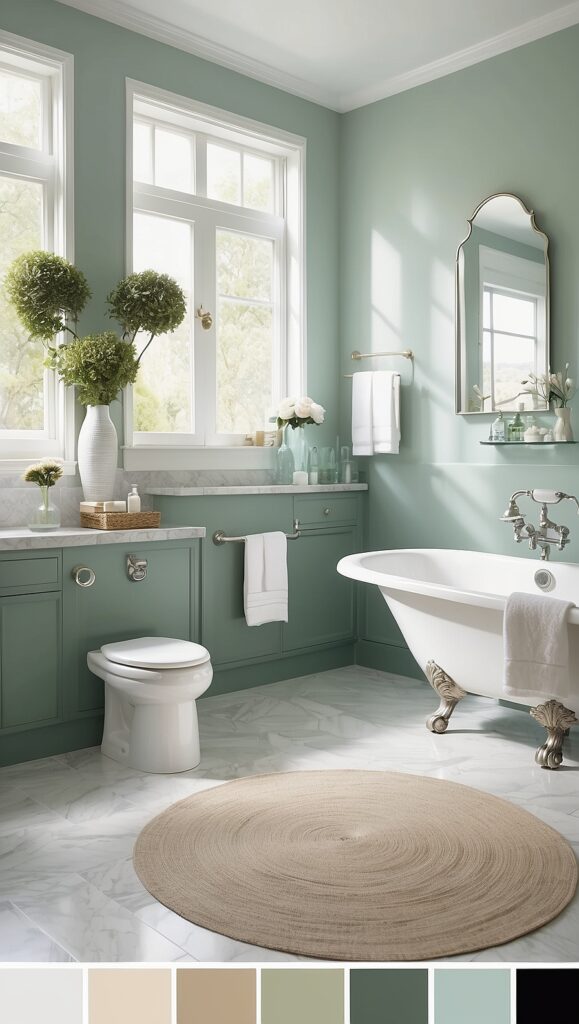
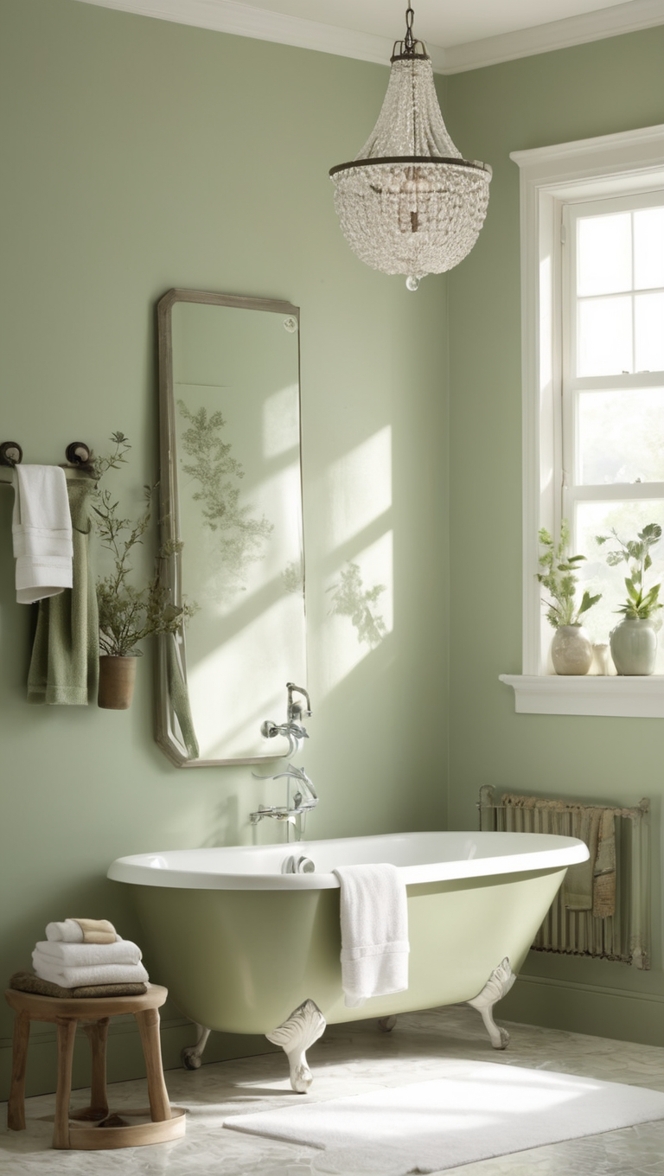
At the heart of a spa-inspired bathroom is a soft, muted color scheme designed to promote relaxation. These palettes are drawn from nature and avoid harsh contrasts.
Common spa colors include:
- Warm whites and creamy ivories
- Soft beiges and sand tones
- Pale grays and greige
- Muted greens and sage
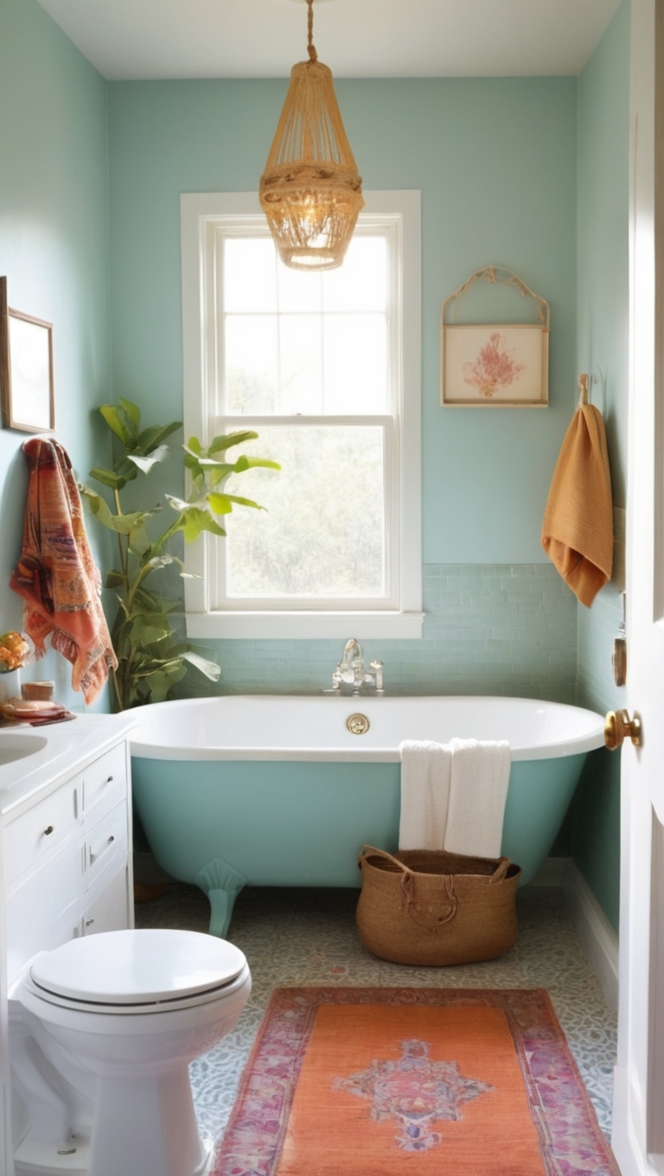
- Gentle blues inspired by water and sky
The goal is to create a space that feels light, airy, and uncluttered, where the eyes can rest. Glossy or overly saturated colors are usually avoided, as they disrupt the tranquil mood.
💡 Design tip: Layer tones within the same color family rather than mixing many colors—this keeps the space cohesive and serene.
2. Natural Materials and Organic Textures
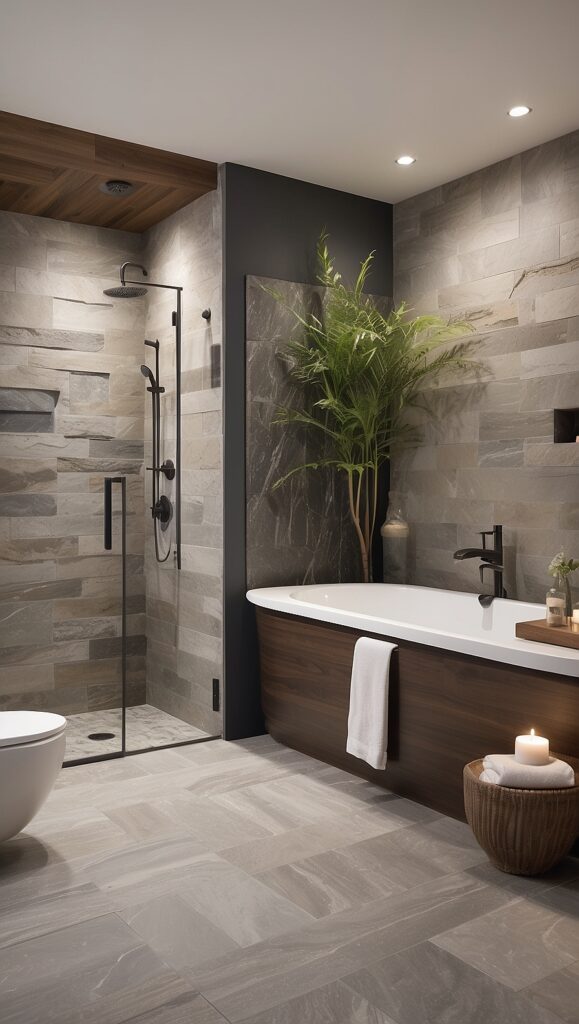
Nature is one of the strongest influences in spa design. Materials are chosen not just for beauty, but for the emotional response they evoke.
Key materials include:
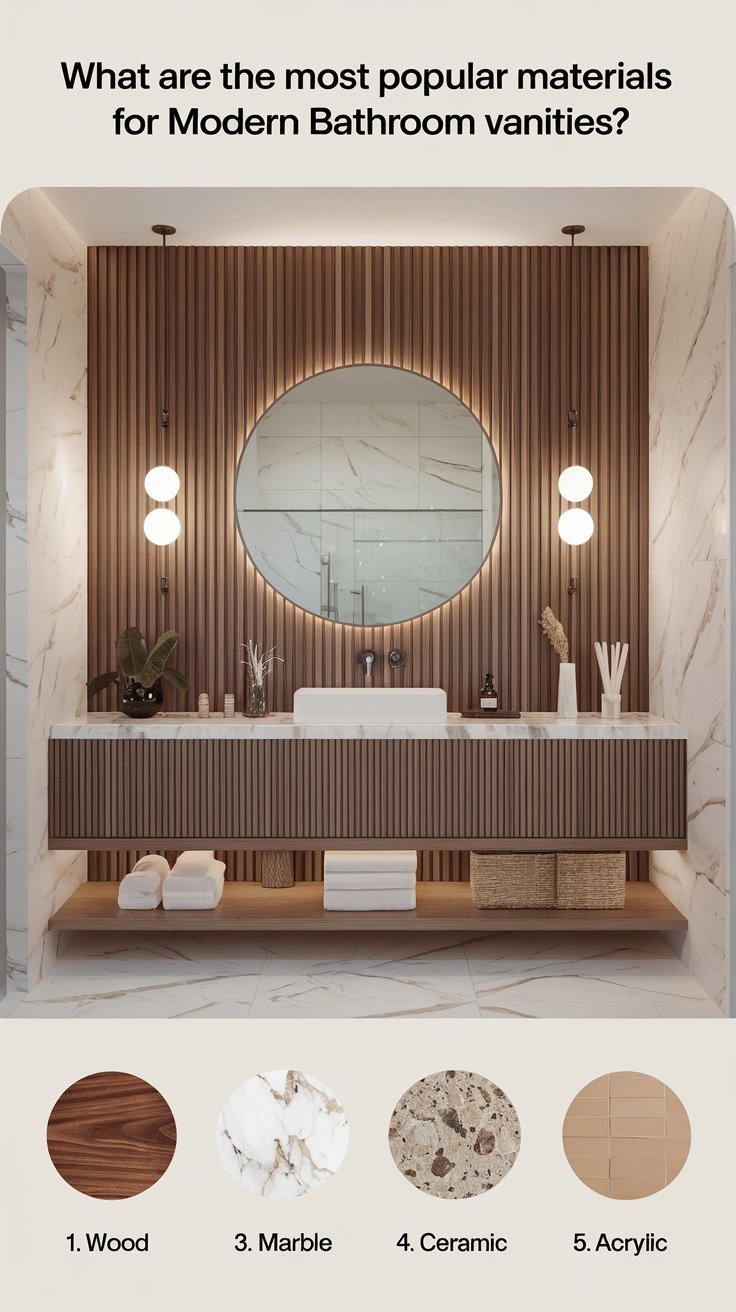
- Natural stone (marble, travertine, limestone, slate)
- Wood or wood-look finishes
- Bamboo accessories
- Pebble stone flooring or shower bases
- Linen and cotton textiles
These materials introduce warmth, texture, and authenticity, preventing the bathroom from feeling sterile. Even modern spa bathrooms rely on natural finishes to soften clean lines.
💡 Design tip: If real stone or wood isn’t practical, high-quality porcelain or ceramic alternatives can still deliver the spa look with easier maintenance.
3. Minimalism and Clutter-Free Design
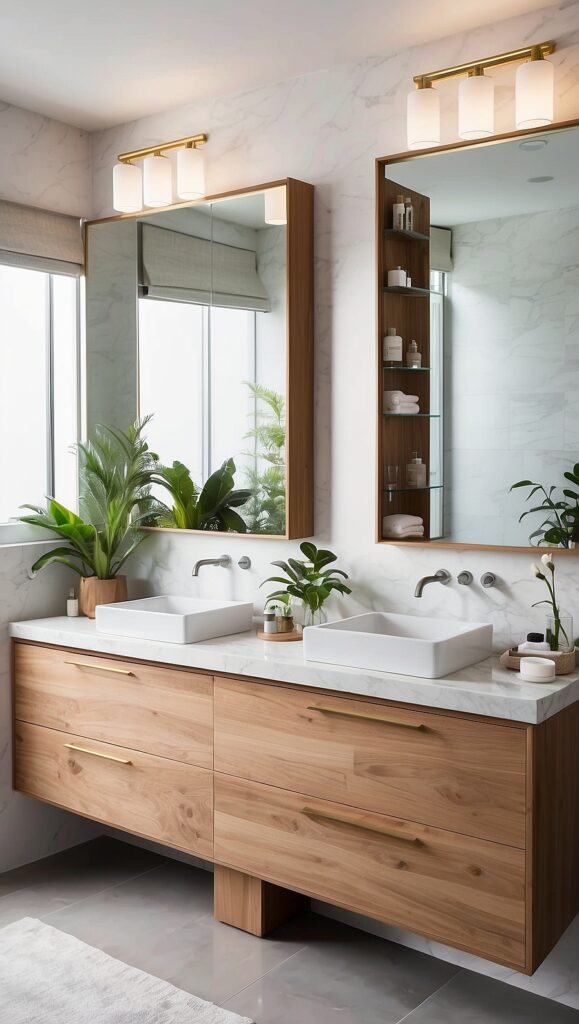
A spa-inspired bathroom embraces the philosophy that less is more. Visual clutter creates mental noise, which is the opposite of what a spa experience should offer.
Minimalist principles include:
- Clean lines and simple silhouettes
- Hidden or integrated storage
- Clear countertops with only essentials visible
- Streamlined fixtures and hardware
Instead of decorative excess, spa bathrooms focus on intentional design—every item has a purpose, and nothing feels random.
💡 Design tip: Use drawers, niches, and wall cabinets to keep everyday products out of sight while maintaining easy access.
4. Soft, Layered Lighting
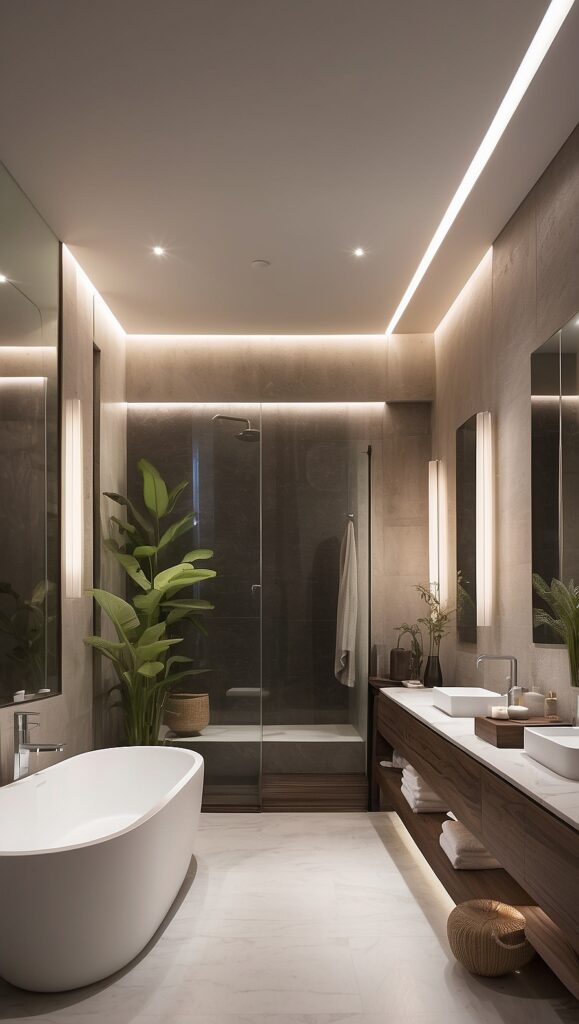
Lighting plays a major role in creating a spa-like atmosphere. Harsh overhead lights are replaced with gentle, layered illumination that mimics natural light.
Spa-style lighting typically includes:
- Warm LED lighting (2700K–3000K)
- Backlit mirrors or vanities
- Recessed ceiling lights with dimmers
- Accent lighting in showers or niches
- Candle-style or lantern-inspired fixtures
Dimmers are essential—they allow you to adjust the mood depending on whether you’re energizing in the morning or unwinding at night.
💡 Design tip: Indirect lighting behind mirrors or under vanities adds a luxurious glow without glare.
5. Luxurious Bathing Features
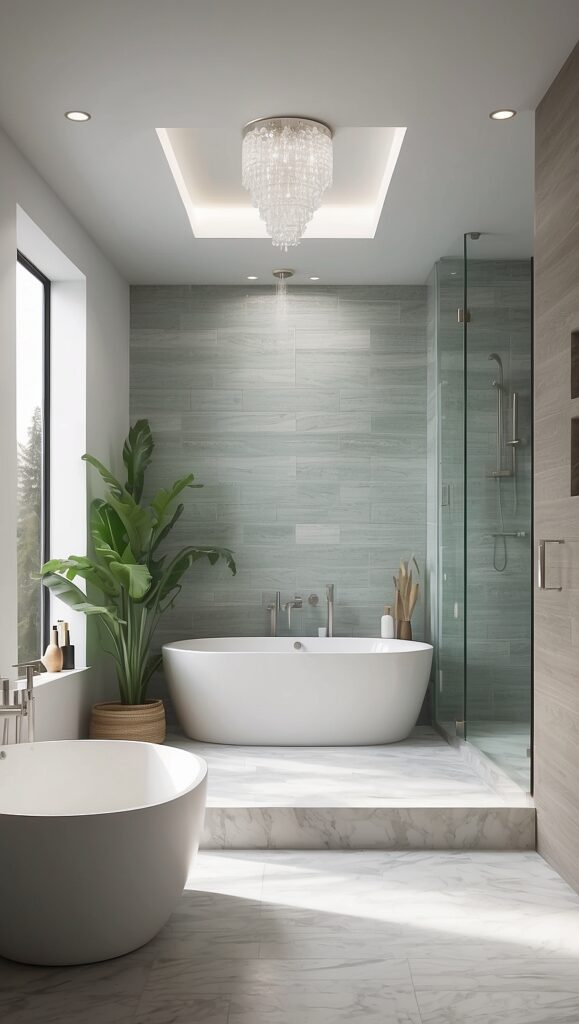
A true spa-inspired bathroom prioritizes the bathing experience. Whether it’s a shower, tub, or both, the focus is on comfort and indulgence.
Popular spa bathing elements include:
- Freestanding soaking tubs
- Rainfall or waterfall showerheads
- Steam showers
- Built-in shower benches
- Body spray systems
These features encourage slower routines and mindful relaxation rather than rushed functionality.
💡 Design tip: Even a small bathroom can feel spa-like with a rainfall showerhead and a frameless glass enclosure.
6. Connection to Nature (Biophilic Design)
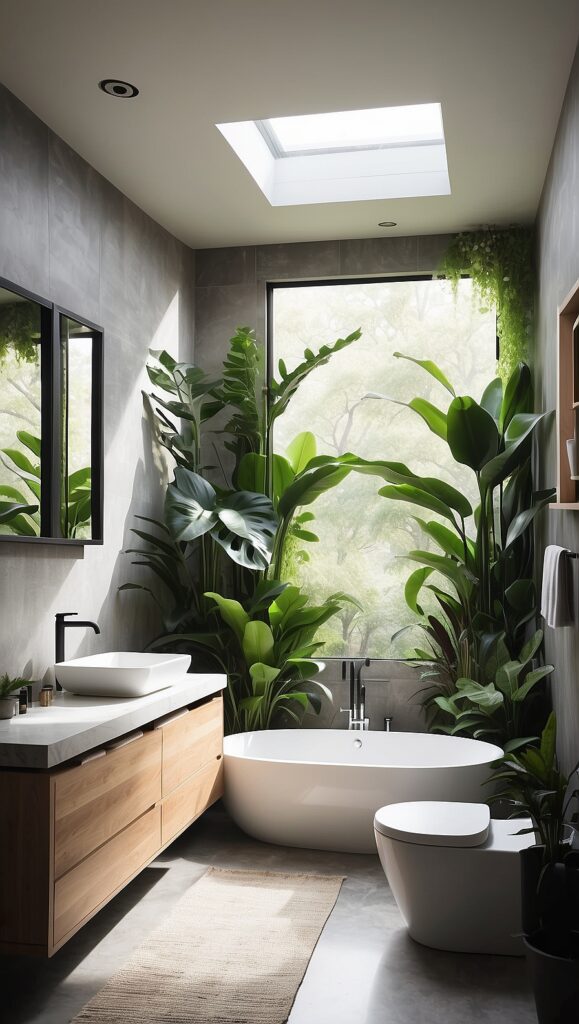
Spa bathrooms often blur the line between indoors and outdoors. This connection to nature—known as biophilic design—enhances emotional well-being.
Ways to introduce nature:
- Indoor plants that thrive in humidity
- Large windows or skylights
- Nature-inspired artwork
- Stone and wood textures
- Views of greenery where possible
Plants such as ferns, orchids, peace lilies, and snake plants add freshness while improving air quality.
💡 Design tip: If natural light is limited, high-quality artificial plants can still create a calming visual effect.
7. Plush Textiles and Comfort Elements
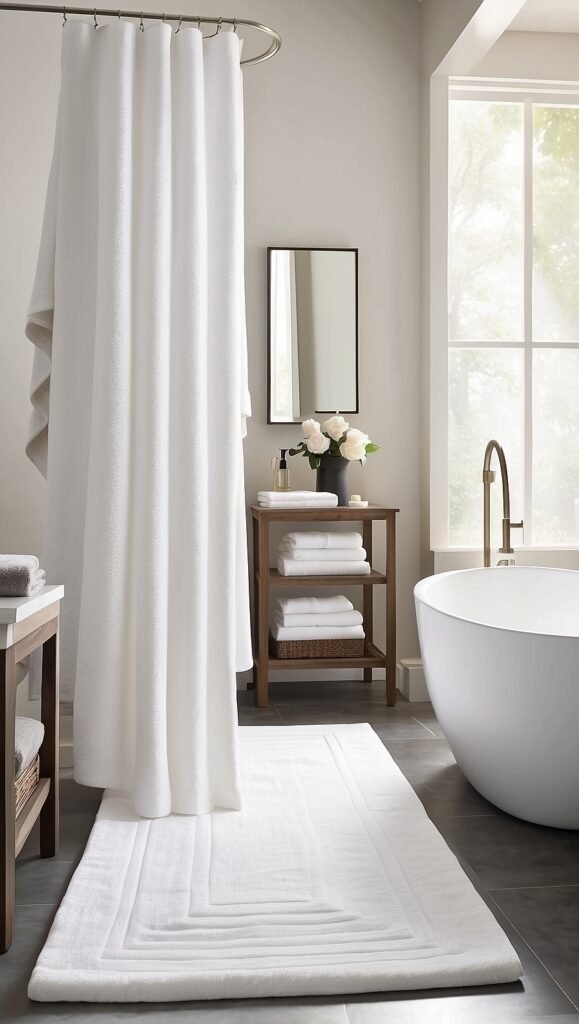
Spa aesthetics are not just visual—they are tactile. Soft, high-quality textiles elevate everyday routines into indulgent rituals.
Essential spa textiles include:
- Thick, absorbent bath towels
- Plush bath mats or rugs
- Waffle-weave robes
- Linen or cotton shower curtains
Neutral or monochromatic textiles help maintain the calm color palette while adding warmth.
💡 Design tip: Display towels neatly rolled or folded for a hotel-style spa feel.
8. Subtle Scents and Aromatherapy
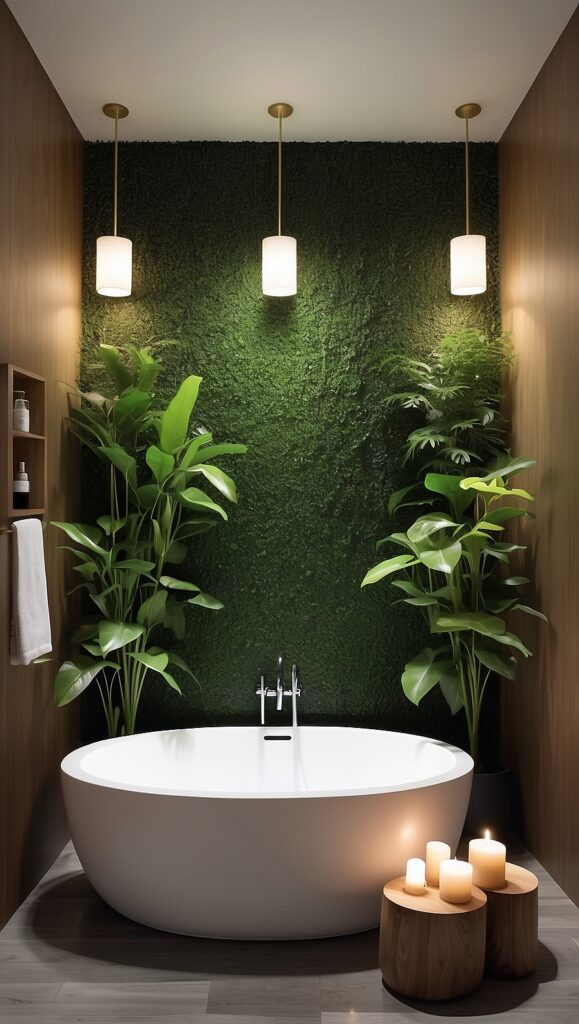
A spa experience wouldn’t be complete without scent. Spa-inspired bathrooms use gentle, natural fragrances to enhance relaxation.
Popular spa scents include:
- Eucalyptus
- Lavender
- Sandalwood
- Citrus blends
- Chamomile
These can be introduced through candles, essential oil diffusers, shower steamers, or even naturally scented soaps.
💡 Design tip: Keep scents light and consistent—overpowering fragrance breaks the sense of calm.
9. High-Quality Fixtures and Finishes
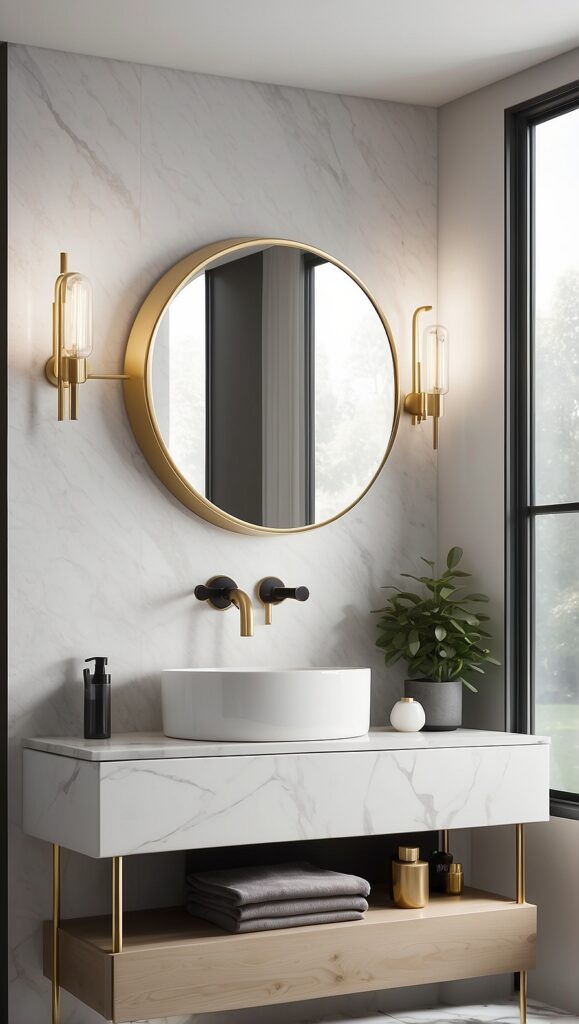
Fixtures in spa bathrooms are typically understated yet refined. The focus is on smooth operation, durability, and elegant design.
Common finish choices include:
- Matte black
- Brushed nickel
- Brushed gold or champagne bronze
- Soft chrome
Fixtures often feature rounded edges and ergonomic shapes to enhance comfort and flow.
💡 Design tip: Matching finishes across faucets, shower hardware, and accessories creates a cohesive, upscale look.
10. A Sense of Ritual and Personal Escape
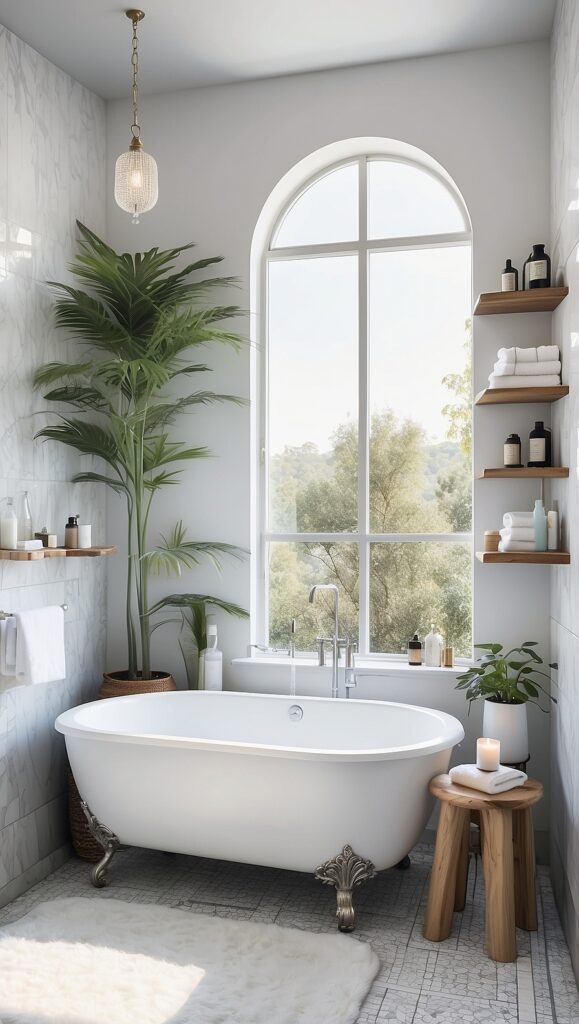
More than any single design element, a spa-inspired bathroom is about how the space makes you feel. It encourages slowing down, being present, and treating self-care as a daily ritual.
This might include:
- A dedicated tub tray for books or tea
- A shower routine with aromatherapy
- Soft music playing in the background
- Thoughtfully arranged accessories
Every detail works together to transform routine hygiene into intentional relaxation.
Conclusion
A spa-inspired bathroom aesthetic is defined by tranquility, natural beauty, and purposeful simplicity. Through calming colors, organic materials, minimalism, layered lighting, luxurious bathing features, and sensory details, the bathroom becomes more than a functional space—it becomes a sanctuary.
Whether you’re planning a full renovation or making small upgrades, incorporating these key features can dramatically elevate the feel of your bathroom and your daily routine. A spa-inspired design isn’t about extravagance—it’s about creating a space where peace, comfort, and well-being come first.