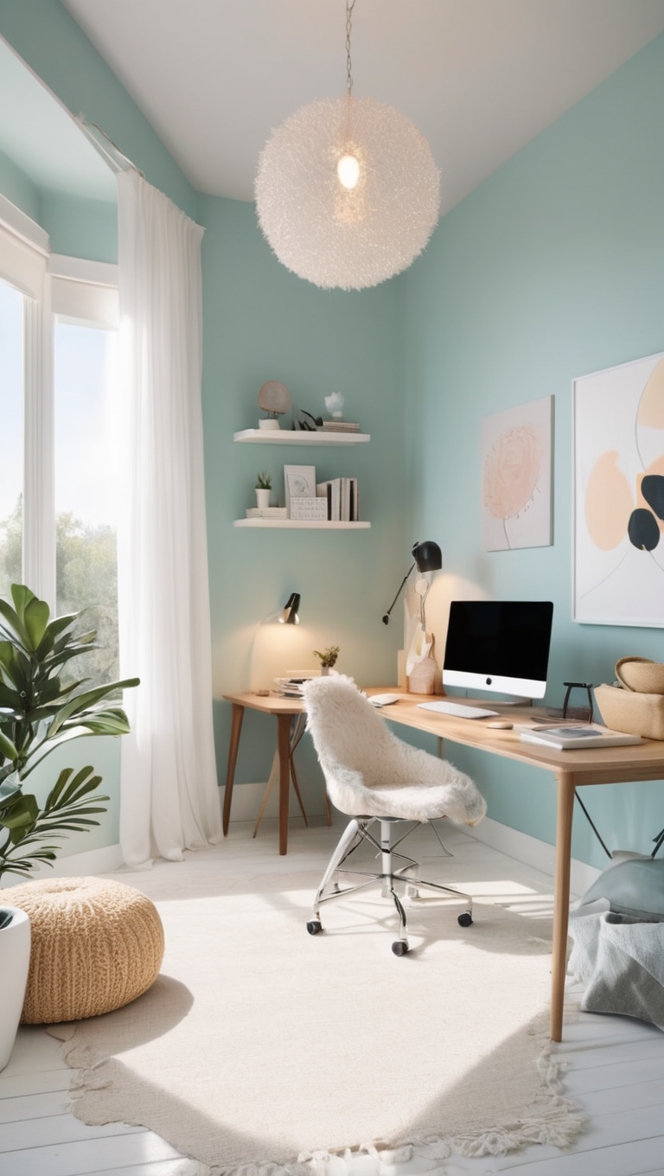

Are you looking to maximize productivity in your home office for remote medical coding jobs? Discover practical tips here.

Disclosure: This post contains affiliate links. We may earn a commission at no extra cost to you.
How can I optimize my medical coding home office setup?
Medical Coding Home Office Setup
Creating an efficient medical coding home office setup involves ensuring ergonomic workspace design, proper equipment such as a computer with coding software, reference materials, and a comfortable chair. Consider adding storage solutions to keep your workspace organized and clutter-free. It’s important to have good lighting and a dedicated workspace to prevent distractions. Regularly updating your technology and staying updated on coding guidelines are crucial for accuracy and efficiency.
*I recommend creating a checklist to ensure all necessary components are in place and setting up a filing system for easy access to patient records and coding manuals. Remember to schedule regular breaks to avoid eye strain and fatigue.
How can I optimize my medical coding home office setup??
1. What are the essential equipment and tools needed for a medical coding home office setup?
As a medical coder working from home, it is essential to have the right equipment and tools to ensure efficiency and accuracy in your work. Some of the essential items you will need include a reliable computer or laptop with a high-speed internet connection, a comfortable ergonomic chair, a dual monitor setup for increased productivity, a printer/scanner for document management, and a headset for clear communication during virtual meetings or training sessions.
2. How can I ensure proper ergonomics in my home office to prevent strain and injuries?
Ergonomics is crucial when setting up your home office as a medical coder. Make sure your desk and chair are at the right height to avoid strain on your neck and back. Position your monitor at eye level to prevent eye strain and use a keyboard and mouse that promote a natural wrist position. Take regular breaks to stretch and move around to prevent injuries from prolonged sitting.
3. What software programs are recommended for efficient medical coding work from home?
There are several software programs that can help streamline your medical coding work from home. Popular options include coding software like EncoderPro or Find-A-Code for code lookup, electronic health record (EHR) systems for accessing patient information, and productivity tools like Microsoft Office or Google Workspace for document management and communication.
4. How can I create a distraction-free environment in my home office for better focus?
To create a distraction-free environment in your home office, designate a dedicated workspace away from high-traffic areas and family distractions. Use noise-cancelling headphones to block out external noise, set boundaries with family members to minimize interruptions, and establish a daily routine to help you stay focused and on track with your work tasks.
5. What organizational systems can help me stay on top of medical coding tasks and deadlines?
Organizational systems such as task management apps like Trello or Asana, calendar tools like Google Calendar, and file organization systems like Dropbox or OneDrive can help you stay organized and on top of your medical coding tasks and deadlines. Create a prioritized to-do list, set reminders for important deadlines, and establish a filing system for easy access to patient records and coding guidelines.
6. Are there any security measures I should implement to protect patient data in my home office?
When working with sensitive patient data as a medical coder from home, it is crucial to implement security measures to protect patient privacy. Ensure your home network is secure with a strong password and firewall, encrypt sensitive data on your computer, and use secure VPN connections when accessing healthcare systems remotely. Follow HIPAA guidelines for handling patient information and avoid storing patient data on personal devices.
7. How can I balance work and personal life when working as a medical coder from home?
Balancing work and personal life when working from home as a medical coder can be challenging, but it is essential for your well-being. Set boundaries between work hours and personal time, create a daily schedule with designated breaks, and prioritize self-care activities to avoid burnout. Stay connected with colleagues through virtual meetings and socialize with friends and family outside of work hours to maintain a healthy work-life balance.
12 Unique Ideas for Optimizing Your Medical Coding Home Office Setup
1. **Color Scheme**: Choose calming paint colors like Sherwin Williams “Sea Salt” or Benjamin Moore “Revere Pewter” to create a soothing atmosphere in your home office.
2. **Dual Monitors**: Increase productivity by using dual monitors to view coding software and reference materials simultaneously.
3. **Adjustable Desk**: Invest in an adjustable desk to alternate between sitting and standing while coding to reduce strain on your body.
4. **Wireless Mouse and Keyboard**: Opt for wireless peripherals to reduce clutter and improve mobility in your workspace.
5. **Noise-Canceling Headphones**: Block out distractions with noise-canceling headphones to focus on complex coding tasks.
6. **Document Scanner**: Digitize patient records and coding manuals with a document scanner for easy access and organization.
7. **Ergonomic Chair**: Support your back and posture with an ergonomic chair designed for long hours of sitting.
8. **Task Lighting**: Install task lighting to reduce eye strain and improve visibility when reviewing documents or coding.
9. **Cable Management**: Keep cables organized and out of the way with cable management solutions to maintain a clean workspace.
10. **Standing Desk Converter**: Convert your existing desk into a standing desk with a converter for added flexibility in your workspace.
11. **Whiteboard or Corkboard**: Use a whiteboard or corkboard to jot down coding notes, reminders, or important deadlines.
12. **Personalized Decor**: Add personal touches like artwork, plants, or motivational quotes to inspire creativity and boost morale in your home office.
By implementing these 12 unique ideas, you can optimize your medical coding home office setup for maximum efficiency and comfort. Stay organized, stay focused, and stay motivated in your coding endeavors.