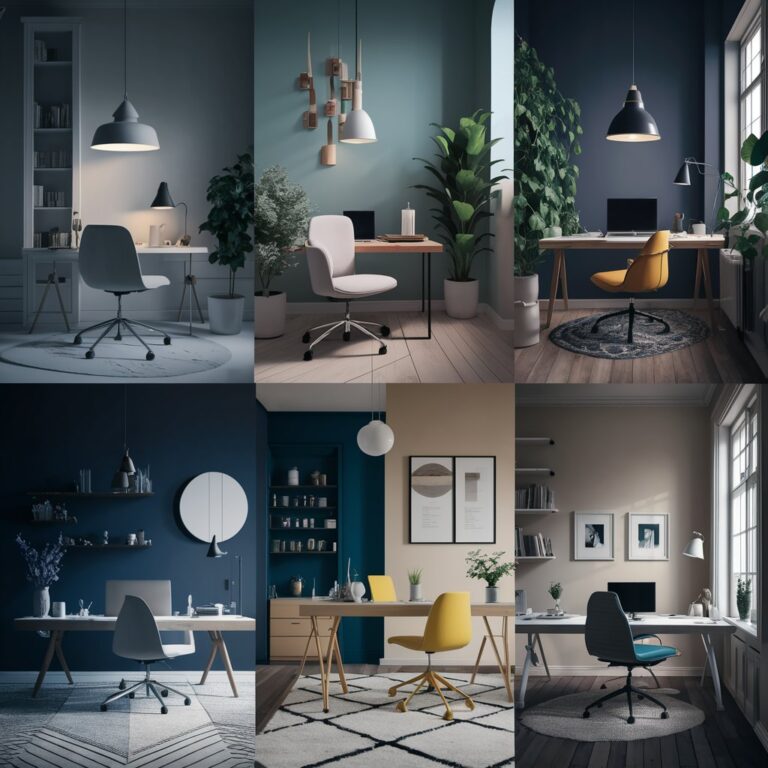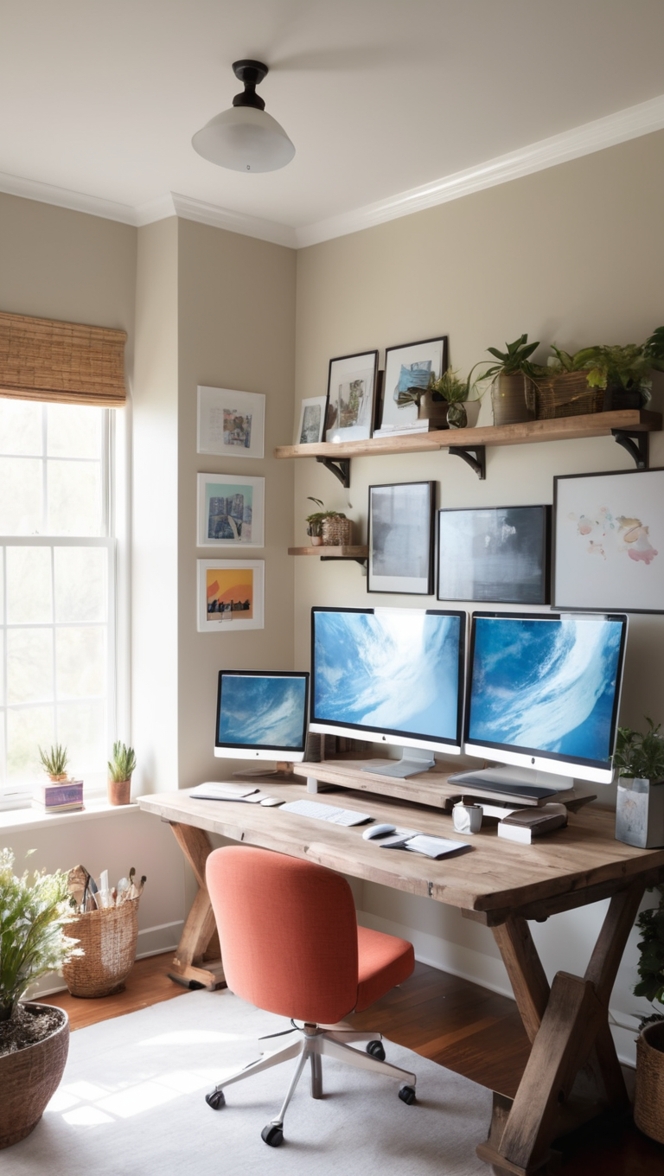
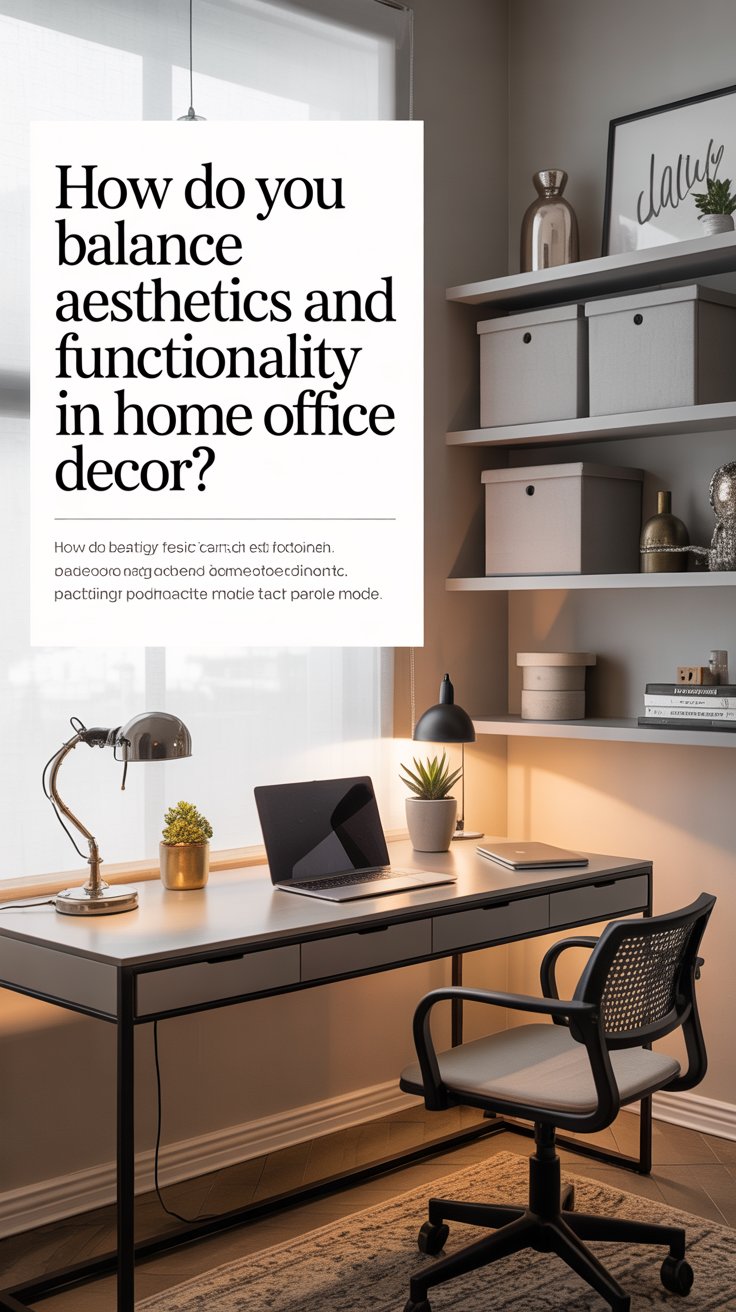
Creating a home office that is both visually appealing and highly functional is no longer a luxury—it’s a necessity. With remote and hybrid work becoming common, your workspace must inspire creativity while supporting productivity, comfort, and organization. The key is not choosing between beauty and practicality, but thoughtfully blending both. Here’s a comprehensive guide on how to balance aesthetics and functionality in home office decor.
Start With a Clear Purpose
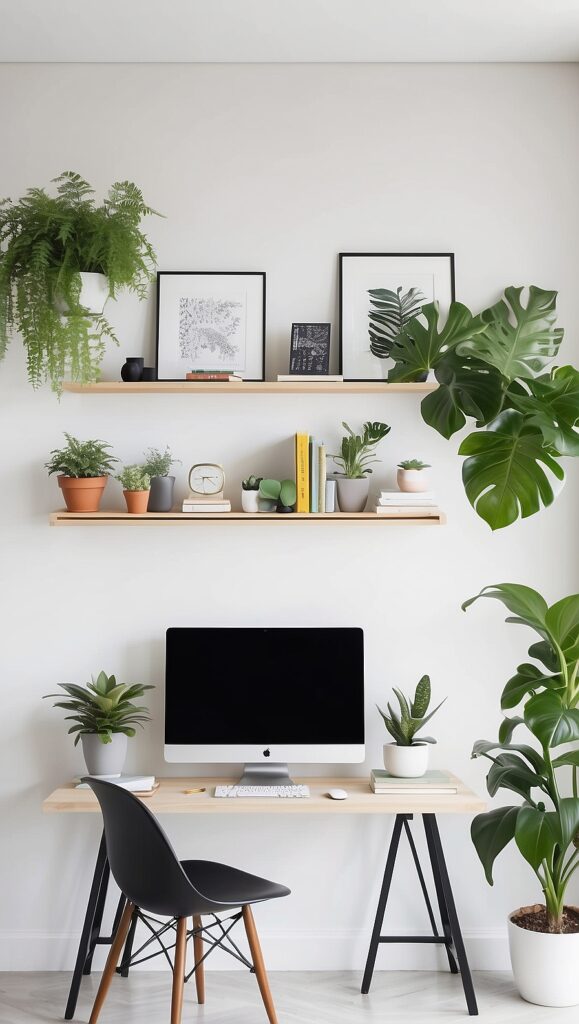
Before choosing furniture or colors, define how you use your home office. Are you working full-time? Hosting video calls daily? Running a creative business? Managing paperwork? The purpose of the space determines what functional elements are essential.
For example:
- A designer may need expansive desk space and good lighting.
- A corporate employee might prioritize ergonomic seating and sound control.
- A content creator may need a visually polished background.
Once you identify your needs, you can design around them without sacrificing style.
Invest in Ergonomic Foundations
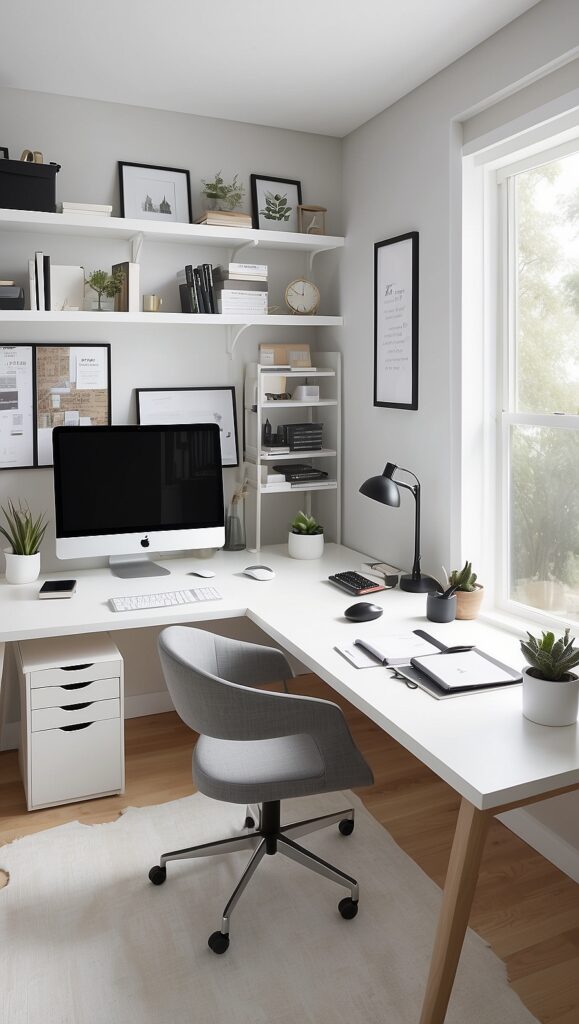
Functionality starts with comfort. A stylish office is meaningless if it causes discomfort or fatigue.
1. Choose the Right Desk
Your desk should fit your workflow and your space. A minimalist floating desk works well in small rooms, while an executive desk creates presence in larger spaces. The desk height should allow your arms to rest comfortably at 90 degrees.
2. Prioritize a Quality Chair
An ergonomic chair supports posture and prevents back pain. Instead of settling for a bulky corporate-style chair, consider modern ergonomic options with sleek silhouettes. Many contemporary designs combine mesh backs and neutral upholstery that blend seamlessly into stylish decor.
3. Optimize Desk Layout
Keep essential tools within arm’s reach. Use drawer organizers or cable trays to reduce clutter. Clean lines instantly elevate the aesthetic.
Create a Cohesive Design Theme
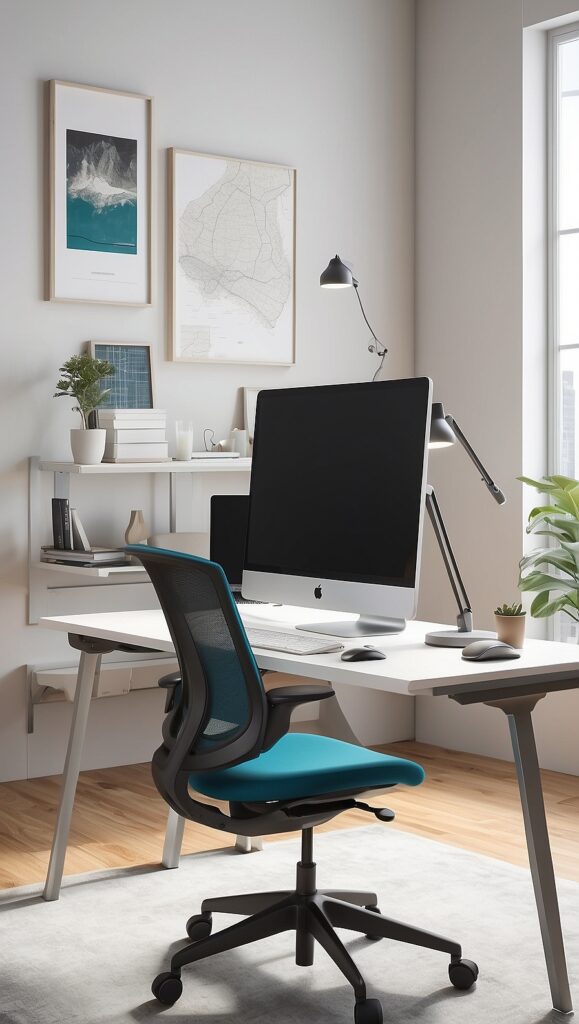
A balanced home office should feel intentional. Choose a design direction and stick to it. Some popular styles include:
- Modern minimalism
- Scandinavian
- Industrial
- Traditional
- Bohemian
Selecting a theme helps guide decisions on furniture, lighting, and decor, preventing mismatched pieces that disrupt visual harmony.
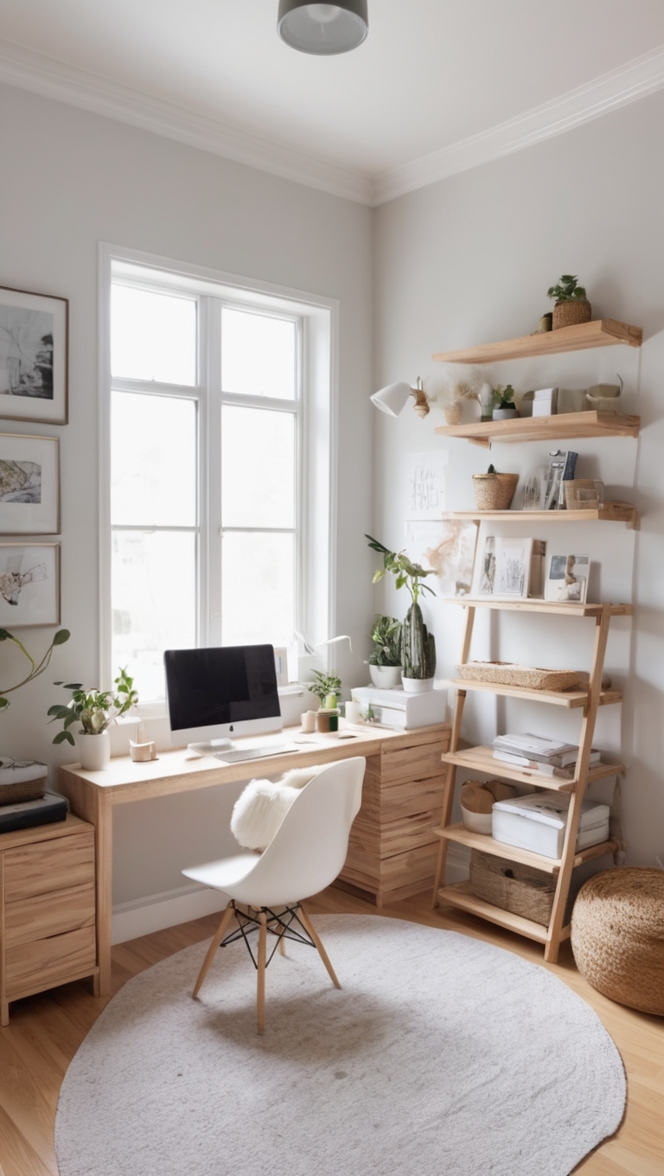
For example, a Scandinavian office might feature light wood furniture, white walls, and subtle greenery, while an industrial office could incorporate black metal shelving and exposed textures.
Use Color Strategically
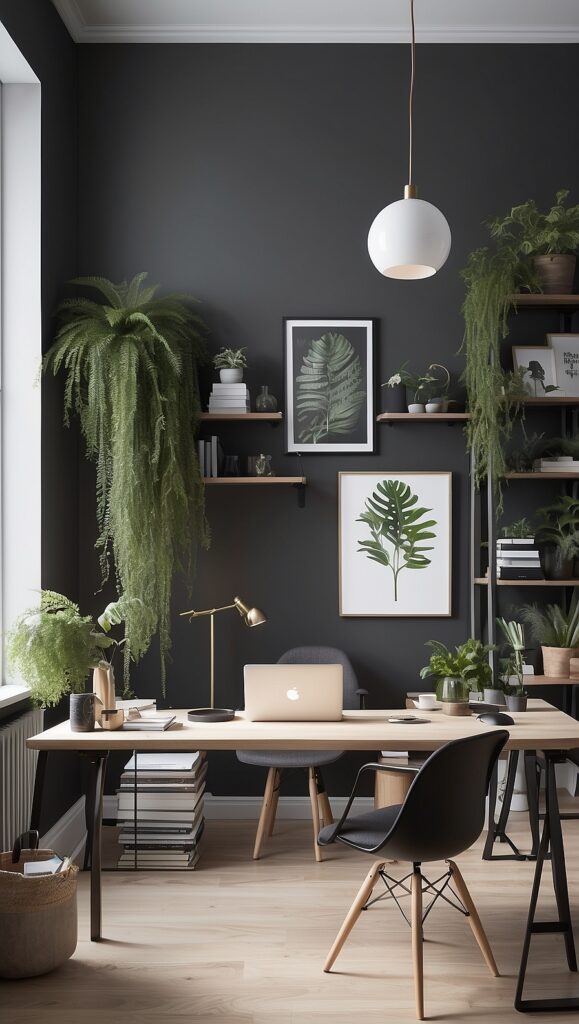
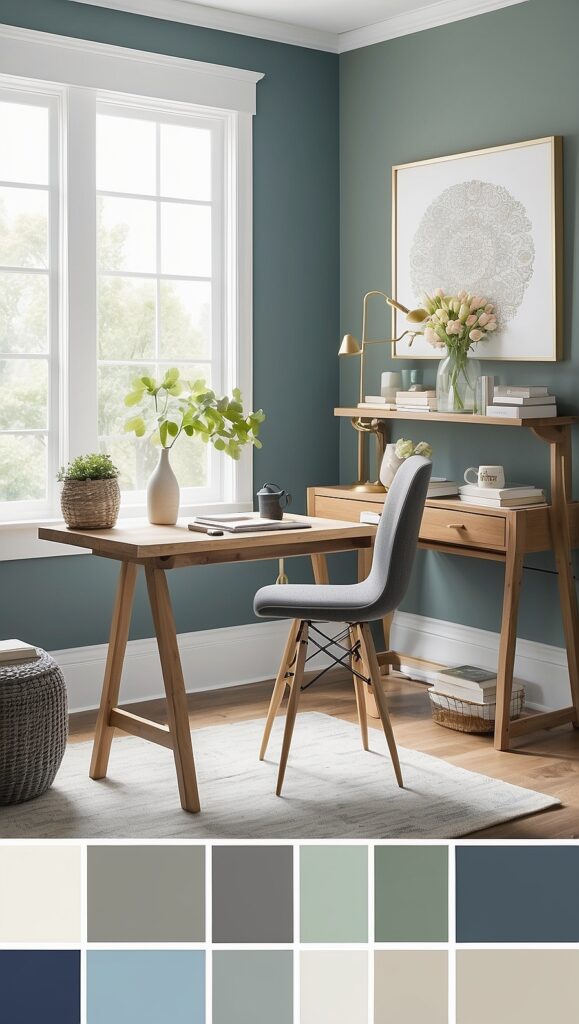
Color affects mood and productivity. The right palette enhances both beauty and performance.
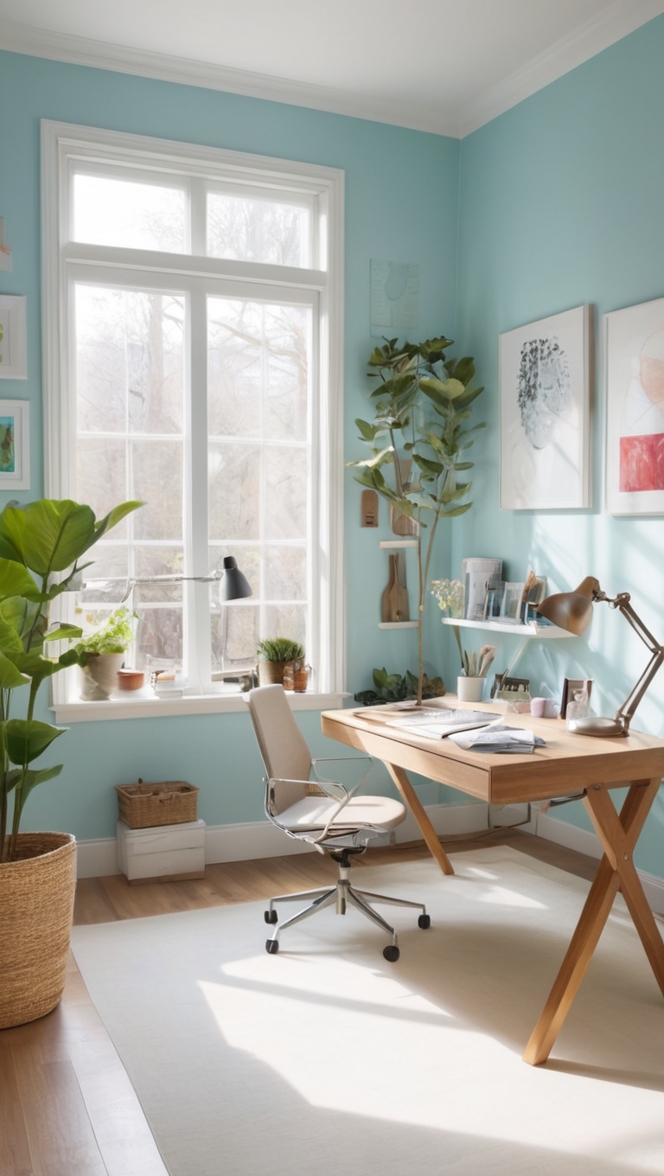
- Blue tones promote focus and calm.
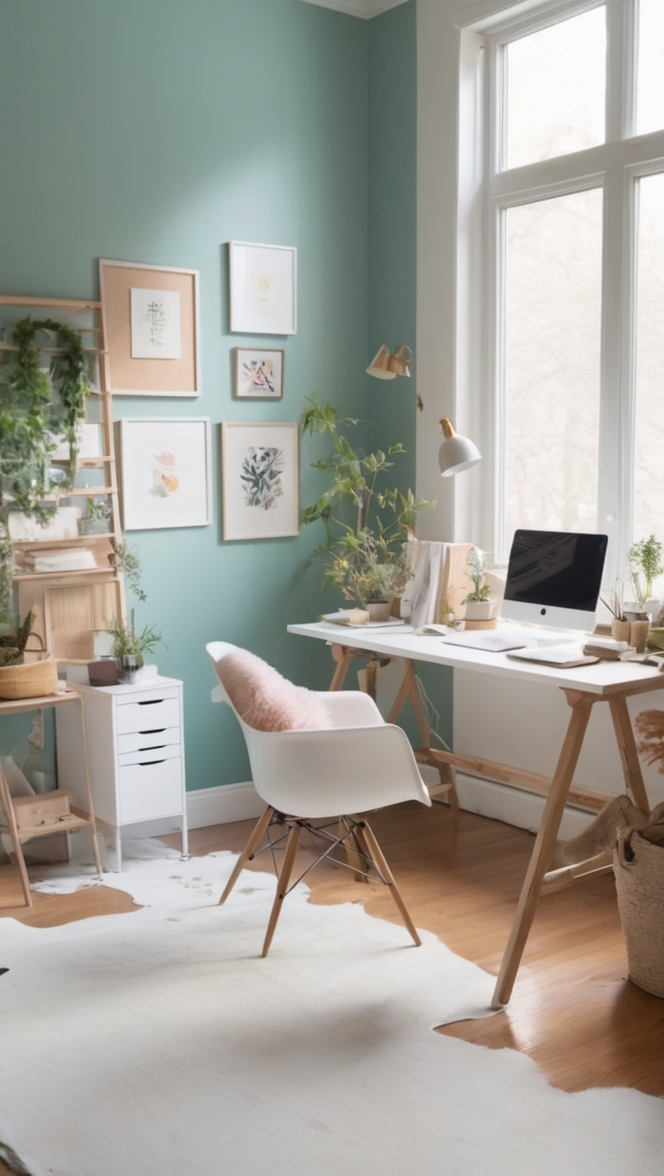
- Green shades reduce eye strain and feel refreshing.
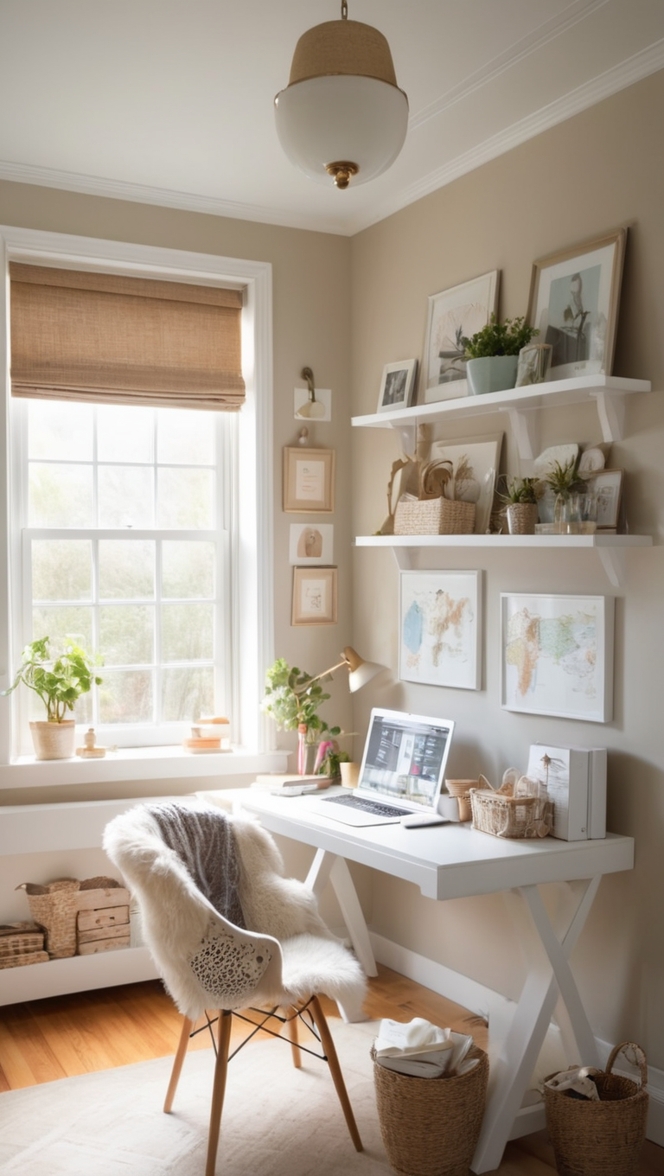
- Neutral tones like beige, gray, and soft white create a clean backdrop.
If you want subtle warmth, consider soft neutrals inspired by brands like Sherwin-Williams or Benjamin Moore, known for refined home office-friendly hues.
To balance aesthetics and function:
- Use a neutral base for walls.
- Add accent colors through decor, art, or office accessories.
- Avoid overly bright shades that can cause distraction.
Maximize Natural and Artificial Lighting
Lighting impacts productivity and design equally.
Natural Light
Position your desk near a window if possible. Natural light improves mood and reduces eye strain. Use sheer curtains to diffuse harsh sunlight while maintaining brightness.
Task Lighting
Add a stylish desk lamp that provides focused illumination. Adjustable lamps allow you to direct light where needed without overwhelming the room.
Ambient Lighting
Layer lighting with floor lamps or wall sconces. Warm lighting creates comfort, while cool white light enhances alertness.
Choose fixtures that align with your design theme—brass for traditional, matte black for modern, or wood accents for Scandinavian spaces.
Incorporate Smart Storage Solutions
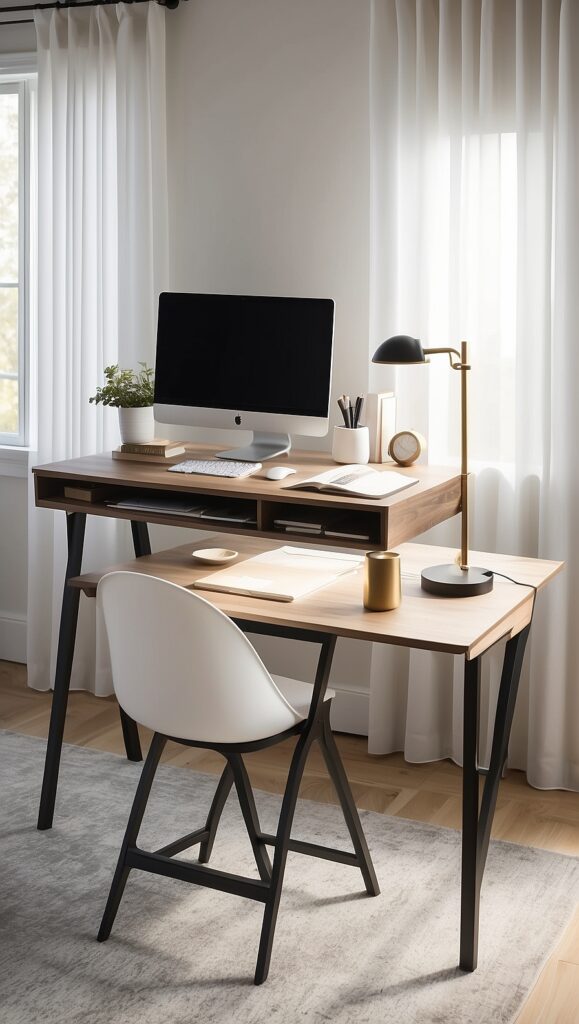
Clutter destroys both efficiency and beauty. Functional storage keeps the workspace organized without compromising style.
Built-In Shelving
Custom shelves provide vertical storage and display opportunities. Mix books, decorative objects, and storage boxes for visual balance.
Decorative Storage Boxes
Use woven baskets, linen boxes, or labeled containers to hide paperwork and cables.
Filing Cabinets with Style
Modern filing cabinets come in sleek finishes like matte white or wood veneer. They can double as side tables or printer stands.
The key is hidden storage paired with curated displays. Not everything needs to be visible.
Personalize Without Overcrowding
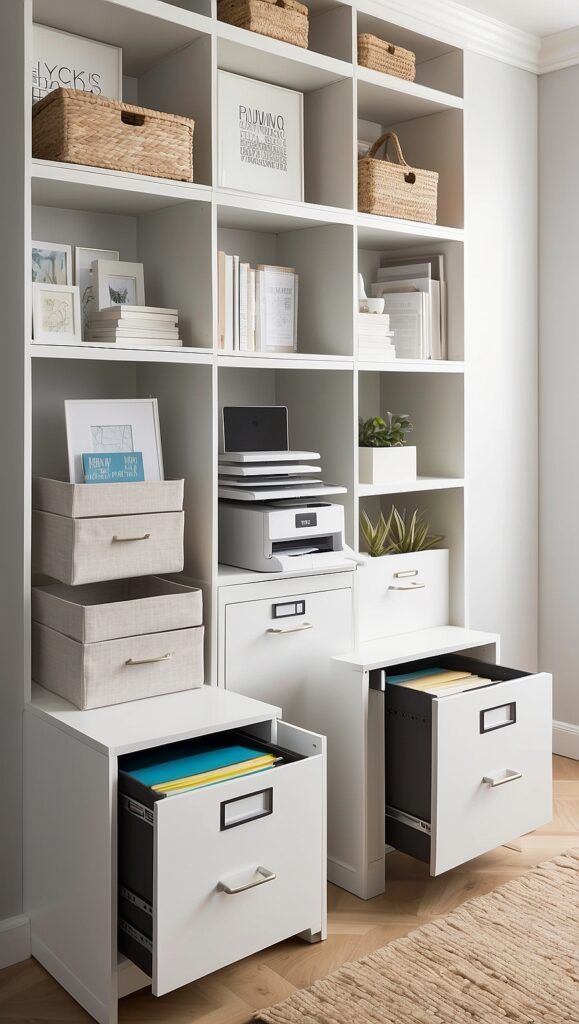
A home office should reflect your personality. Personal touches enhance aesthetic appeal and emotional comfort.
Consider:
- Framed artwork
- Inspirational quotes
- Family photos
- Sculptural decor
- Indoor plants
However, moderation is crucial. Too many decorative elements create visual noise. Choose meaningful pieces that enhance focus rather than distract from it.
Add Greenery for Life and Balance
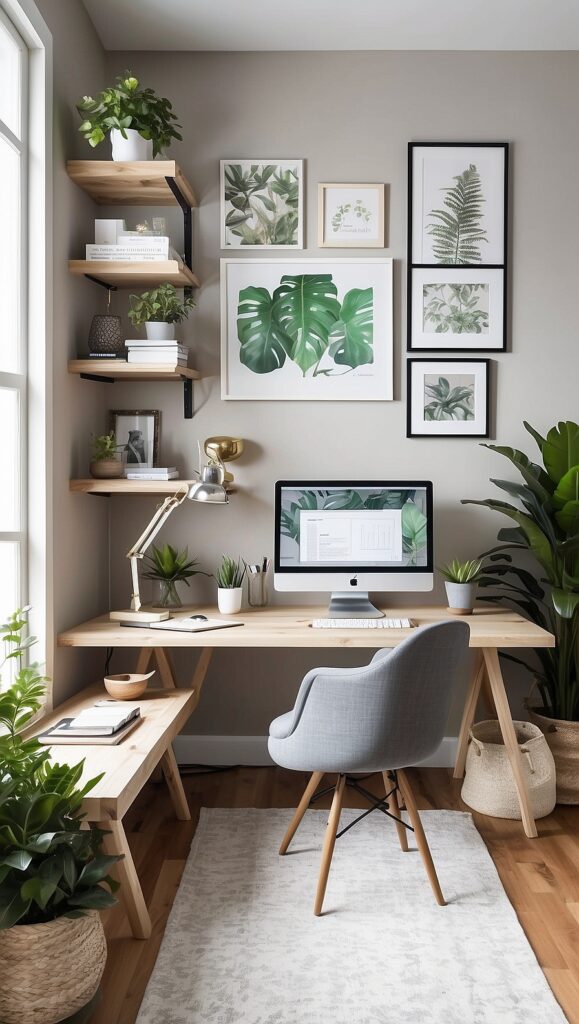
Plants improve air quality and add natural beauty. Even a single plant can soften sharp lines and create warmth.
Low-maintenance options include:
- Snake plants
- Pothos
- ZZ plants
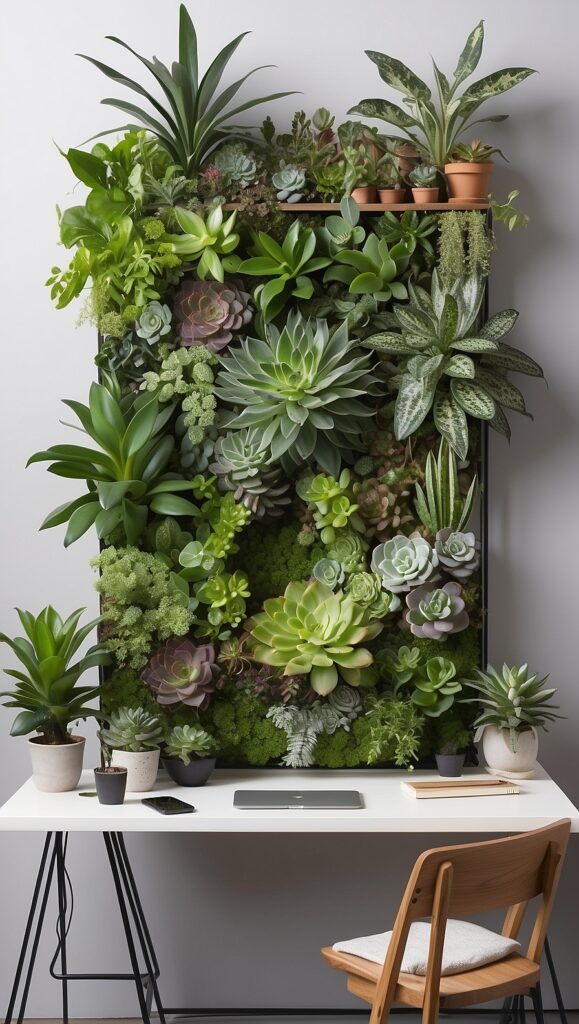
If space is limited, try wall-mounted planters or small desk succulents.
Greenery bridges functionality and aesthetics by boosting well-being while enhancing visual appeal.
Consider Acoustics and Privacy
Functionality also includes minimizing distractions.
- Use rugs to absorb sound.
- Add upholstered furniture for acoustic balance.
- Install curtains to reduce echo.
- Consider decorative room dividers if your office shares space with other areas.
Stylish acoustic panels are available in fabric finishes that double as wall art.
Maintain Cable Management
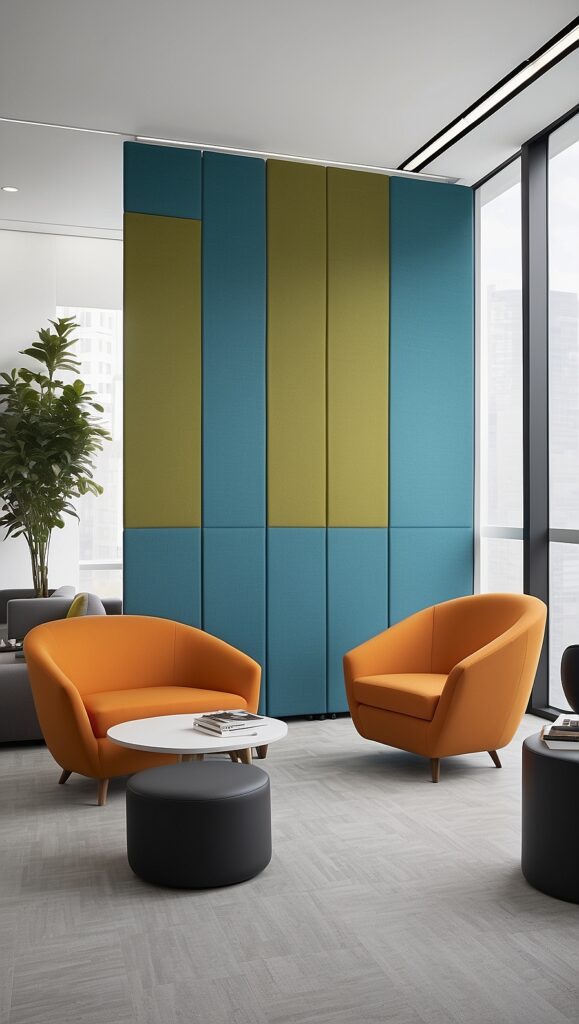
Visible cables quickly ruin an otherwise polished office. Use:
- Cable trays under desks
- Cord clips along walls
- Wireless devices when possible
- Charging drawers
A clean, cable-free desk enhances both functionality and visual sophistication.
Balance Open Space and Comfort
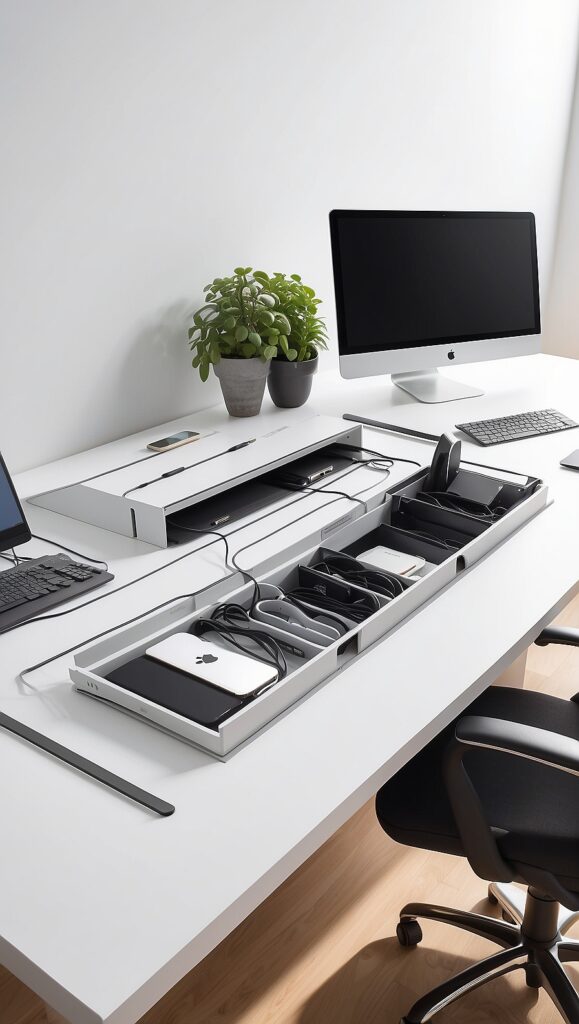
A crowded office feels stressful. Leave breathing room between furniture pieces.
If the room is small:
- Use wall-mounted shelves.
- Choose furniture with exposed legs to create visual lightness.
- Incorporate mirrors to reflect light and enlarge the space.
Comfort elements like a soft rug or cozy throw can warm up the room without interfering with productivity.
Create a Video-Call-Friendly Background
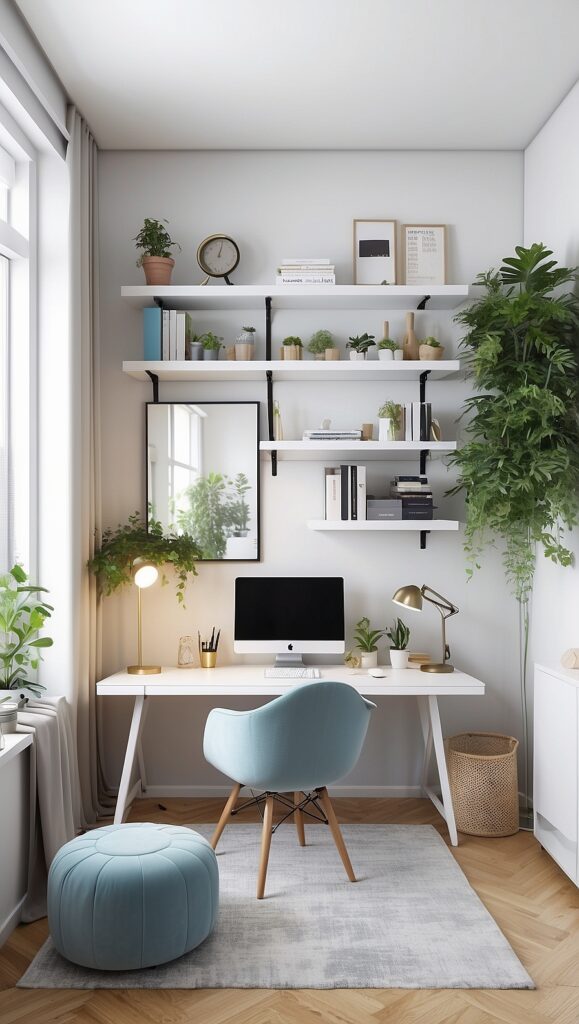
In today’s digital workspace, your background matters.
Choose a clean wall with:
- Minimal artwork
- A shelf with neatly arranged books
- A plant for softness
- Neutral paint colors
Avoid cluttered or overly bold patterns that distract viewers.
Blend Technology Seamlessly
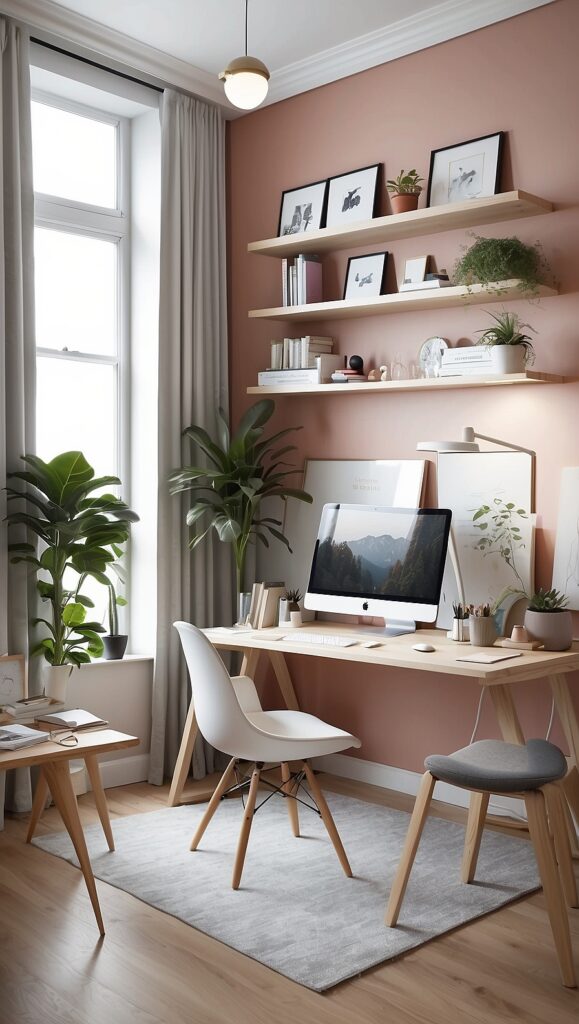
Technology is essential, but it doesn’t have to dominate visually.
- Use monitor stands that match your desk finish.
- Opt for wireless keyboards and mice.
- Hide routers in decorative boxes.
- Mount monitors to free desk space.
Technology should feel integrated, not intrusive.
Make Flexibility a Priority
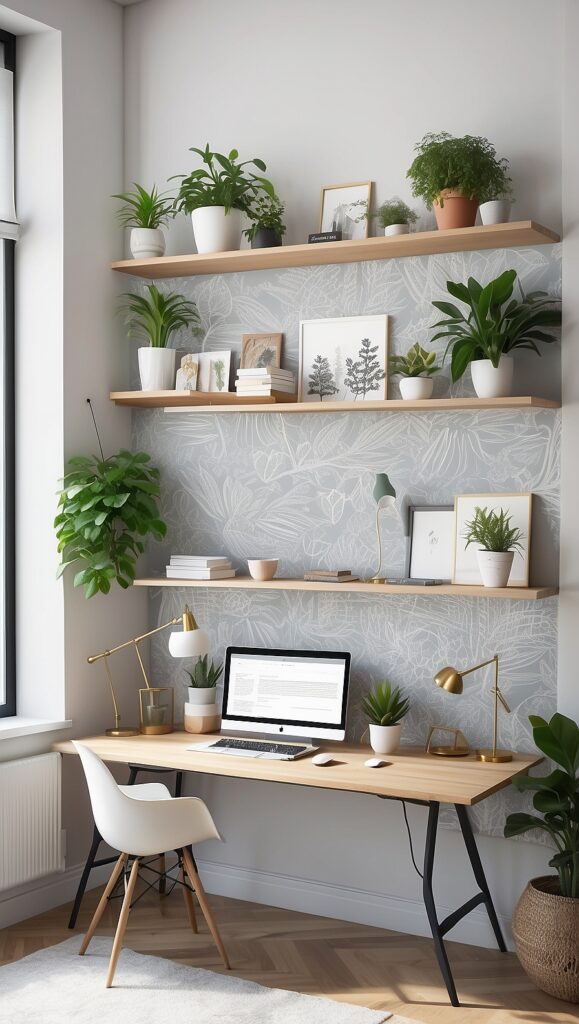
Your needs may evolve. Choose modular furniture or adjustable desks that adapt over time.
For example:
- A sit-stand desk supports long-term health.
- Rolling storage carts allow easy reconfiguration.
- Modular shelving can expand as needed.
Flexibility ensures your office remains functional without constant redesign.
Final Thoughts
Balancing aesthetics and functionality in home office decor is about thoughtful planning. Start with ergonomic essentials, define your design style, and choose colors and lighting that support productivity. Incorporate storage solutions that reduce clutter while maintaining visual harmony. Add personal touches and greenery to create warmth without sacrificing focus.
When done correctly, your home office becomes more than just a workspace—it transforms into an inspiring, efficient environment that supports both creativity and well-being.
The most successful home offices are those where beauty serves a purpose. Every element should enhance productivity while contributing to a cohesive design. By carefully blending form and function, you can create a workspace that feels both stylish and smart—perfect for thriving in today’s work-from-home world.