Creating a luxurious bedroom isn’t only about choosing expensive furniture or designer décor. True luxury comes from the thoughtful combination of textures, materials, and layers that create depth, comfort, and visual interest. When textures and materials are mixed correctly, a bedroom can feel warm, sophisticated, and inviting without appearing cluttered or overwhelming.
Luxury interior design relies heavily on contrast and balance. Smooth surfaces paired with soft fabrics, matte finishes combined with reflective materials, and natural textures blended with refined elements can transform a simple bedroom into an elegant retreat. In this guide, you’ll learn how to mix and match textures and materials effectively to create a bedroom that feels both stylish and luxurious.
Understanding the Role of Texture in Interior Design
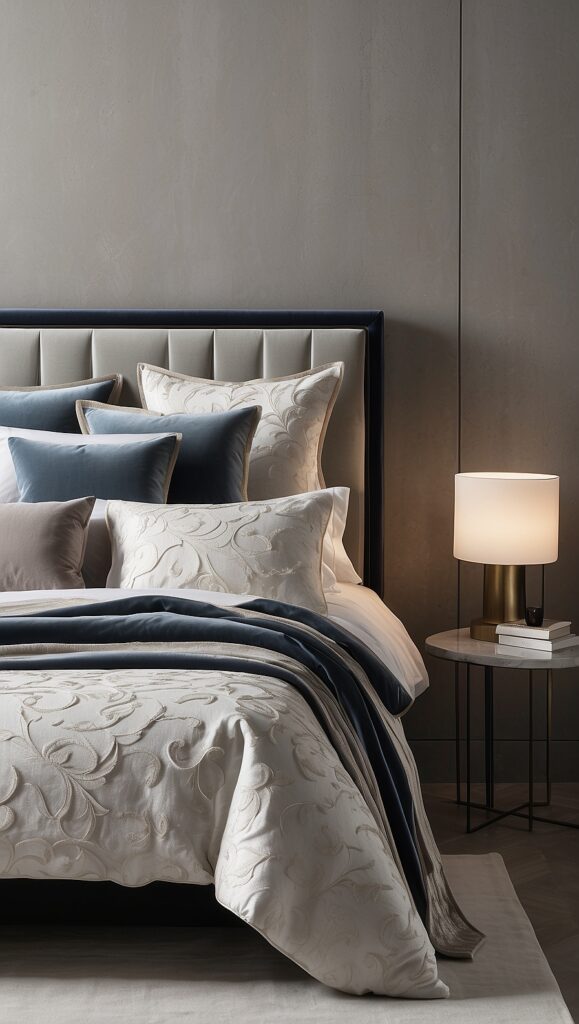
Texture refers to how a surface looks and feels. Some textures are tactile (like velvet or linen), while others are visual (like marble or polished metal). In bedroom design, texture plays a crucial role in shaping the mood of the space.
A room filled only with smooth surfaces can feel flat and lifeless. On the other hand, combining multiple textures adds dimension, warmth, and sophistication.
Luxury bedrooms often combine:
- Soft fabrics
- Natural materials
- Polished finishes
- Organic textures
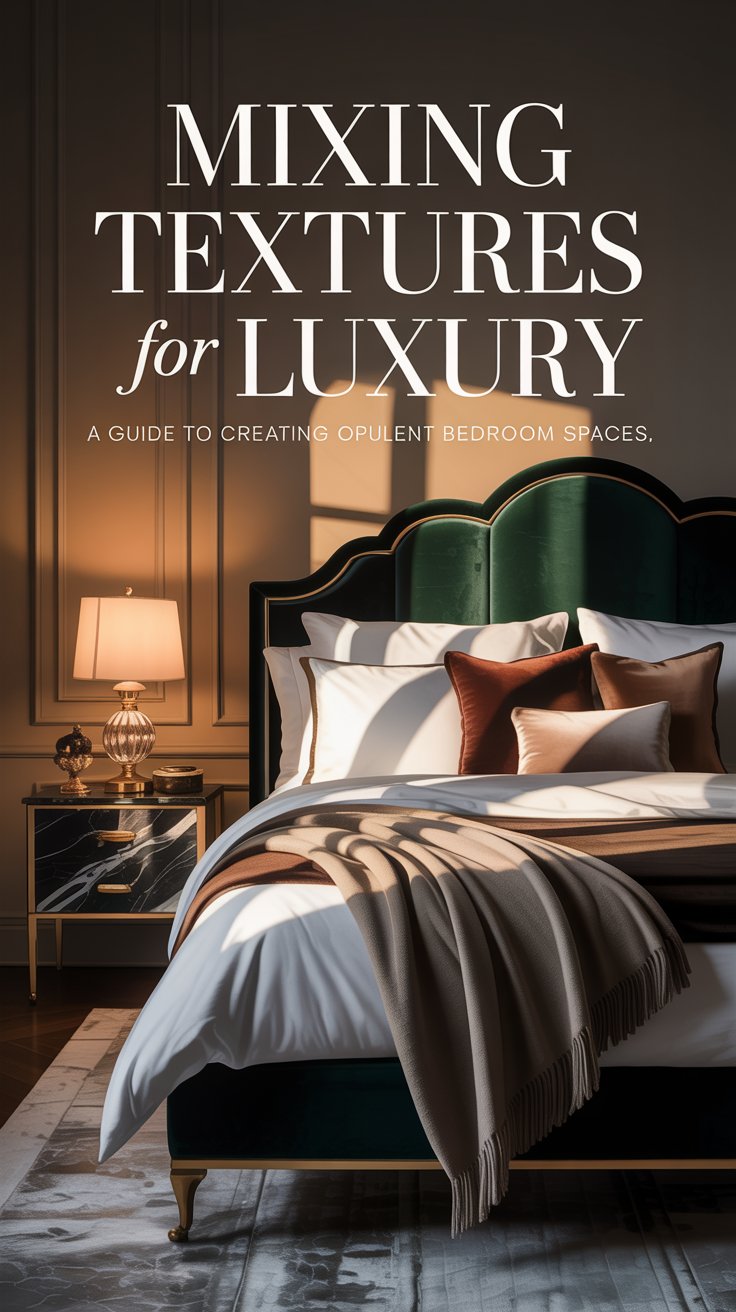
For example, a velvet headboard, a linen duvet, a wood nightstand, and brass lighting can work together to create a layered and refined atmosphere.
Start with a Neutral Foundation
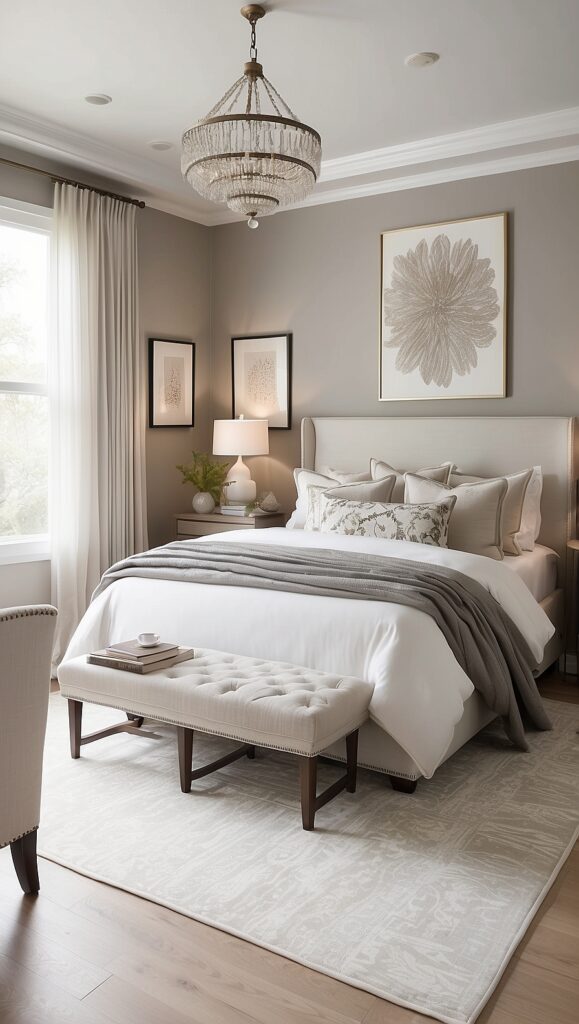
Before adding multiple textures, it’s important to establish a neutral base for the room. Neutral colors allow textures and materials to stand out without overwhelming the space.
Common luxury bedroom base colors include:
- Warm beige
- Soft taupe
- Cream
- Light gray
- Soft white
Walls, large furniture pieces, and flooring usually form the foundation of the room. Once these elements are in place, you can introduce layers of textures through textiles, décor, and accent materials.
Neutral palettes also make it easier to incorporate different materials like stone, metal, glass, and wood without creating visual chaos.
Layer Soft Textiles for Comfort and Elegance
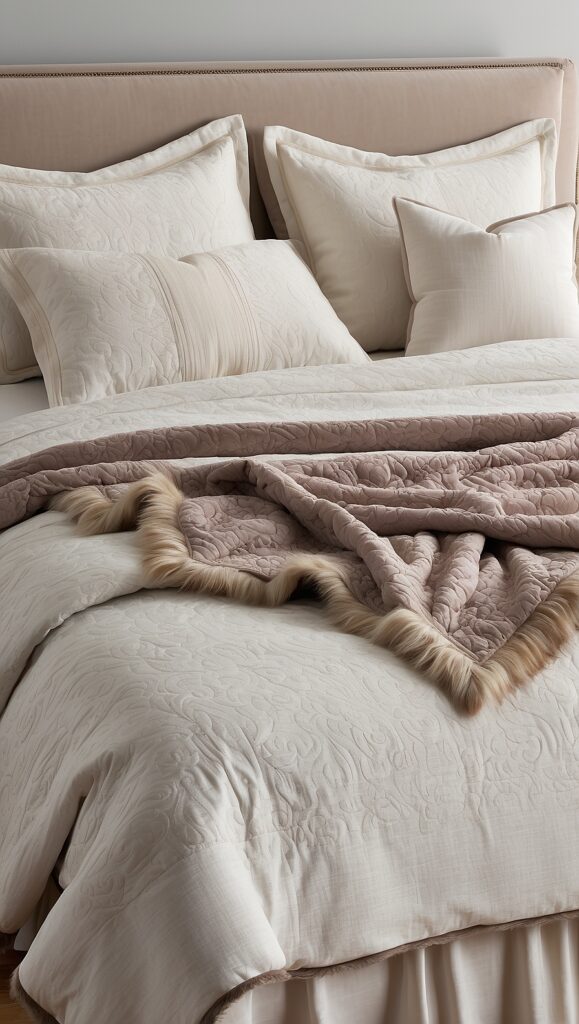
Textiles are one of the easiest ways to introduce texture into a bedroom. Soft fabrics instantly make a room feel more comfortable and luxurious.
Start with bedding, which is often the focal point of the bedroom.
A luxurious bedding setup might include:
- A high-quality cotton or linen duvet
- A velvet or quilted bedspread
- Layered decorative pillows
- A textured throw blanket
Combining fabrics such as linen, velvet, faux fur, silk, and cotton creates a rich and inviting bed arrangement.
For example:
- Linen sheets for breathability
- Velvet pillows for elegance
- A chunky knit throw for warmth
These layers make the bed feel plush and visually appealing.
Combine Natural Materials for Depth
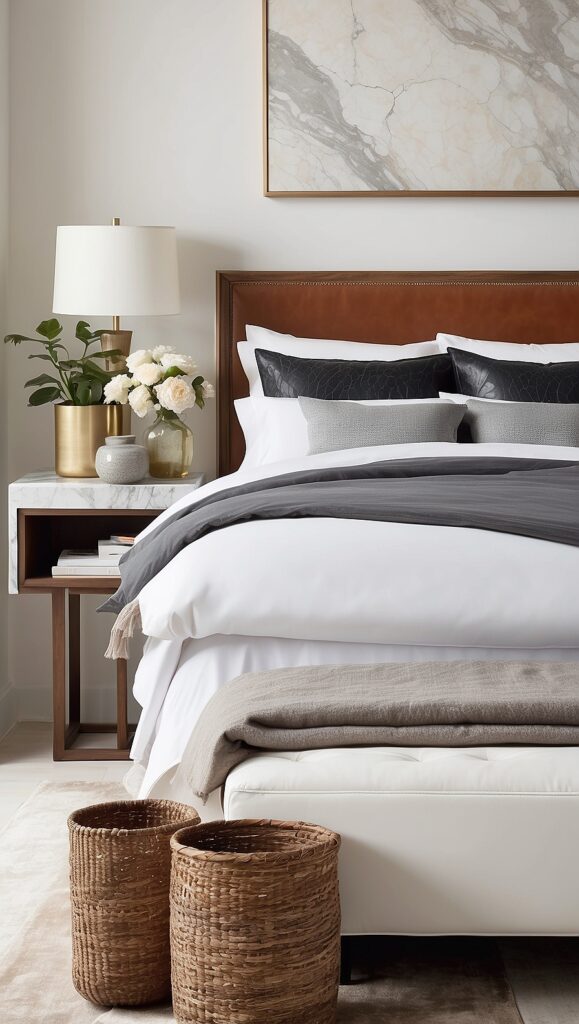
Natural materials are essential for creating an upscale, timeless bedroom design. They introduce authenticity and warmth that synthetic materials often lack.
Some of the most popular natural materials in luxury bedrooms include:
- Wood
- Marble
- Stone
- Leather
- Rattan
- Linen
Wood furniture, such as nightstands, dressers, or bed frames, adds warmth and balance to softer elements like fabrics. Marble surfaces on bedside tables or decorative trays introduce a refined and polished look.
Even small touches—like a leather bench at the foot of the bed or a woven basket—can enhance the layered design.
The key is to combine materials that contrast but complement each other.
Use Metallic Accents for Sophistication
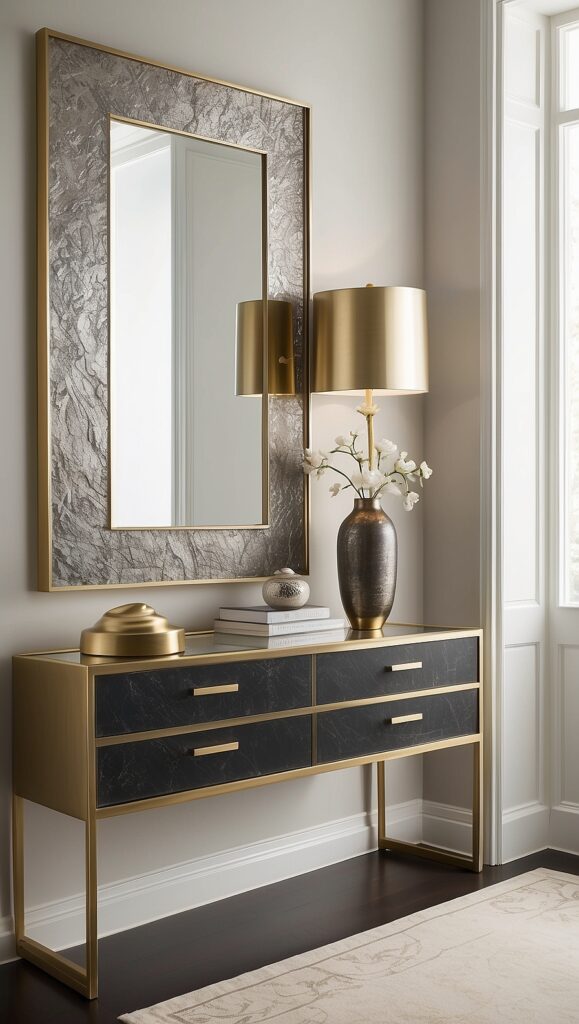
Metal accents are commonly used in luxury interiors because they add glamour and brightness to a space.
Popular metallic finishes include:
- Brass
- Gold
- Chrome
- Nickel
- Bronze
Instead of filling the room with metallic pieces, use them strategically. For instance, a brass table lamp, gold-framed mirror, or bronze drawer handles can elevate the overall aesthetic.
Pairing metals with soft materials like velvet or linen creates an elegant contrast that feels both modern and timeless.
Introduce Rugs for Layered Texture
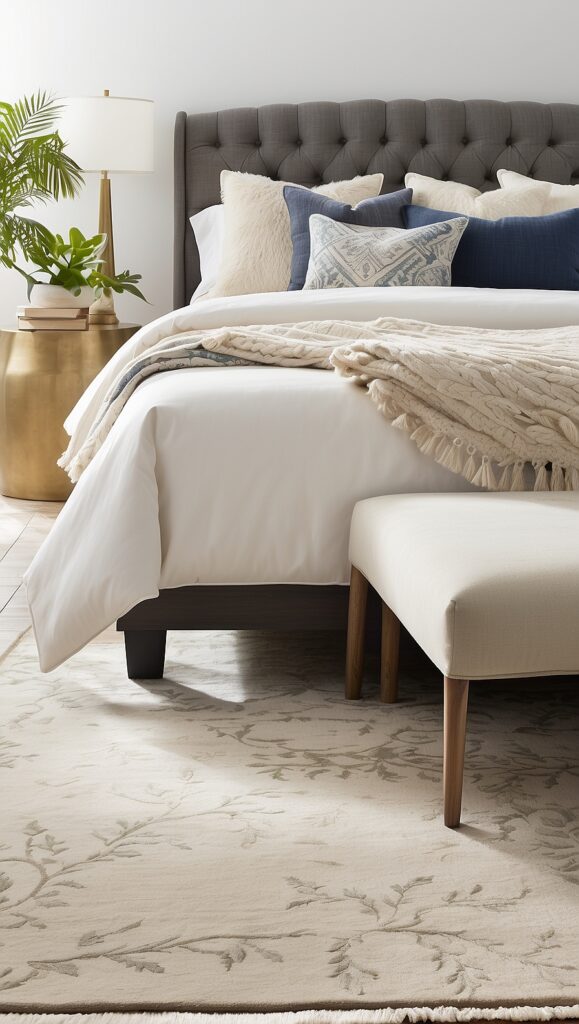
Rugs play a major role in bedroom luxury. They provide warmth underfoot and visually anchor the space.
For a sophisticated look, choose rugs with rich textures such as:
- Wool
- Silk blends
- High-pile shag
- Handwoven styles
Large area rugs placed under the bed help define the sleeping area and add comfort. In larger bedrooms, layering rugs can add even more visual depth.
For example, a neutral wool rug can be layered with a patterned accent rug to create dimension.
Balance Matte and Glossy Finishes
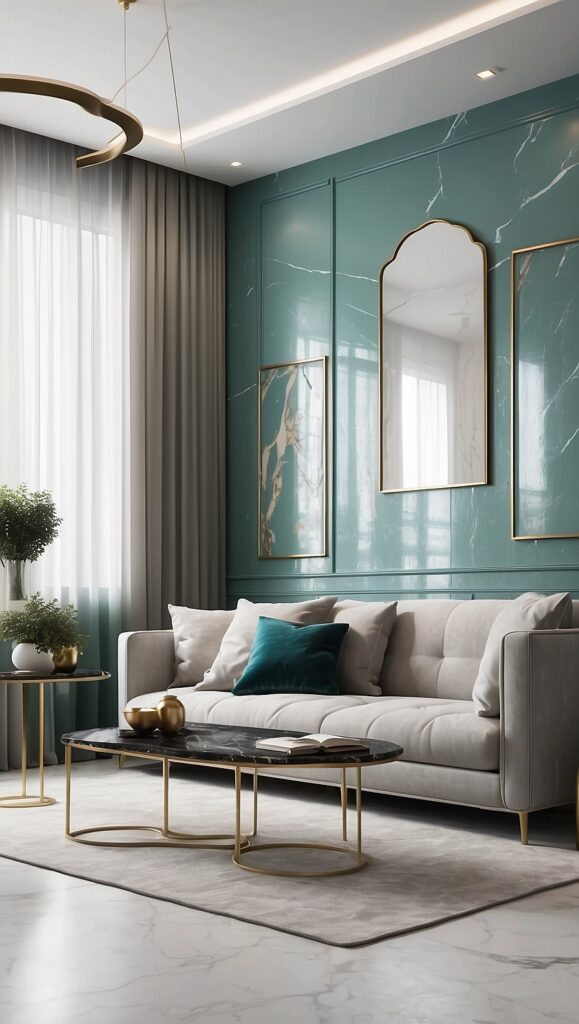
One of the secrets to luxurious interior design is balancing matte and glossy surfaces.
Matte textures absorb light and create softness, while glossy finishes reflect light and add drama.
Examples of matte elements:
- Linen curtains
- Matte painted walls
- Upholstered furniture
Examples of glossy finishes:
- Glass décor
- Lacquered furniture
- Polished marble
- Metallic accents
Combining these finishes keeps the room from feeling too dull or too shiny.
Incorporate Statement Furniture Pieces
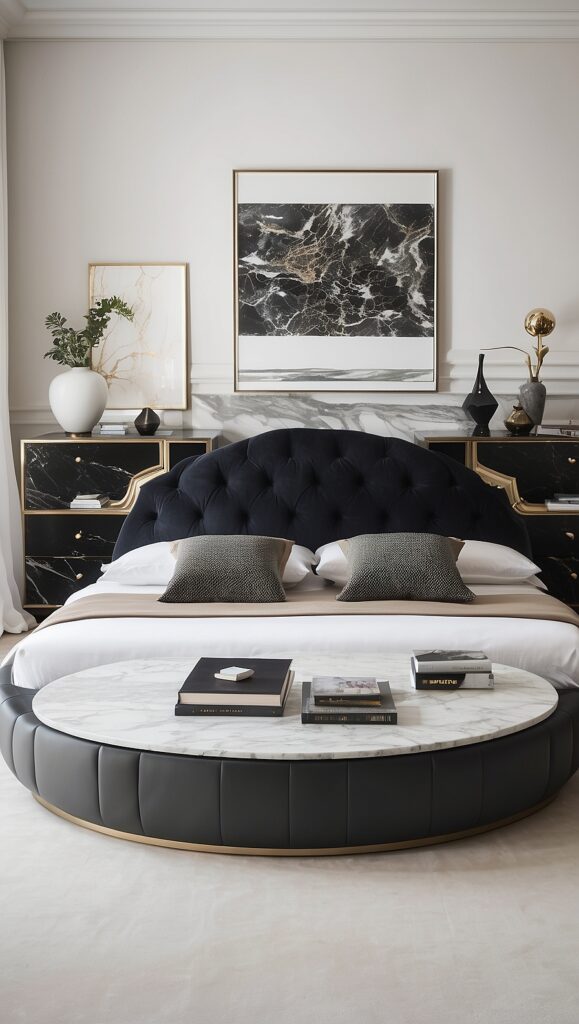
Luxury bedrooms often include one or two statement furniture pieces that draw attention.
These pieces usually feature interesting materials or textures such as:
- A tufted velvet headboard
- A leather bench
- A marble-top dresser
- A sculptural bedside table
The statement piece becomes the visual anchor of the room, while surrounding materials support the overall design.
However, balance is important. Too many statement items can make the room feel cluttered instead of luxurious.
Add Window Treatments for Softness
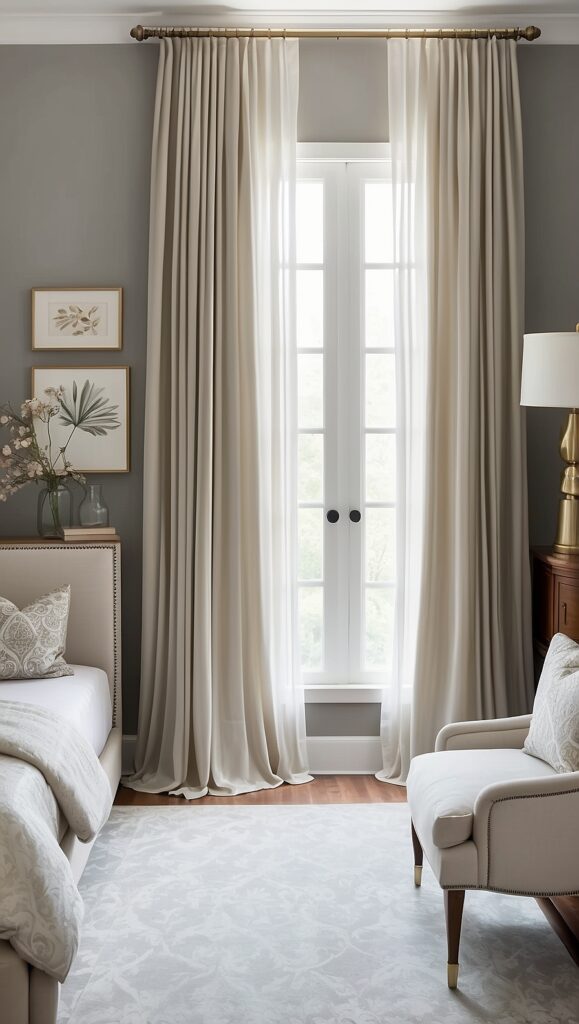
Curtains and drapes are another important texture element in bedroom design. They soften the room and enhance the feeling of privacy and comfort.
For a luxury look, consider:
- Floor-to-ceiling curtains
- Layered drapery with sheer panels
- Thick velvet or linen fabrics
Long curtains visually heighten the room and create a dramatic, elegant effect. Pairing sheer curtains with heavier drapes allows natural light during the day while maintaining privacy at night.
Decorate with Layered Accessories
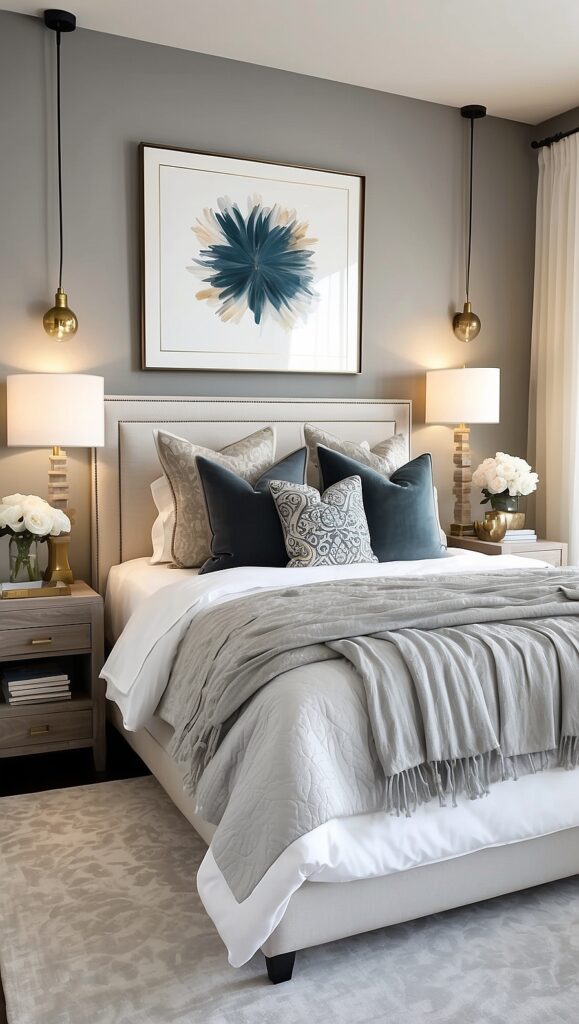
Accessories complete the layered texture story in a bedroom.
Thoughtfully chosen décor pieces can reinforce the luxurious atmosphere without overcrowding the space.
Examples include:
- Decorative trays
- Ceramic vases
- Sculptural lamps
- Textured wall art
- Books and candles
Mixing materials such as ceramic, glass, metal, and stone adds subtle variation that keeps the room visually interesting.
Remember that luxury design often follows the principle of “less but better.” A few high-quality accessories are more effective than many small decorative items.
Pay Attention to Lighting Materials
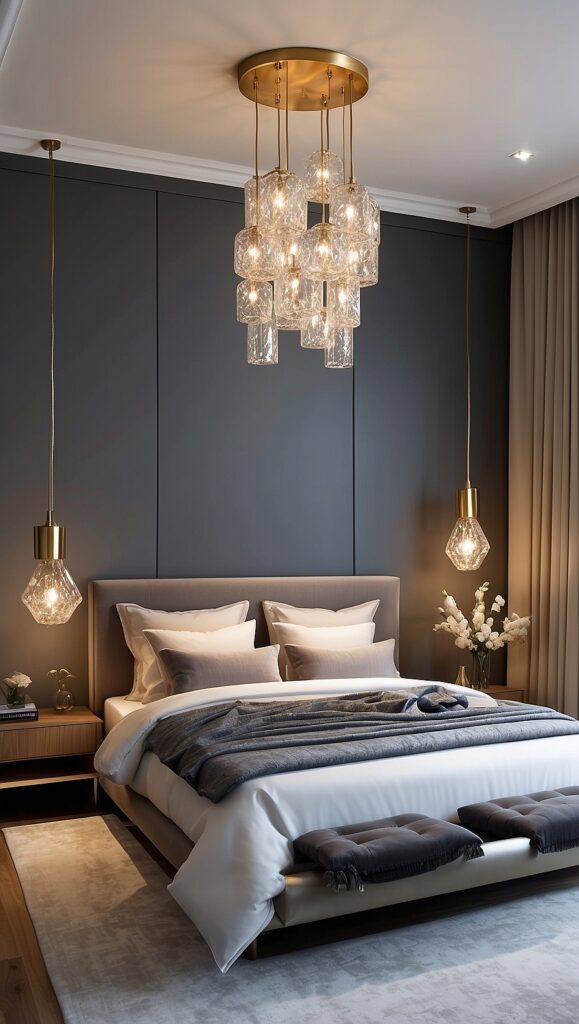
Lighting fixtures themselves can introduce texture and material variety.
Consider fixtures made from:
- Crystal
- Glass
- Metal
- Fabric shades
- Natural fibers
A chandelier above the bed, sculptural bedside lamps, or pendant lights can dramatically enhance the room’s elegance.
Soft, warm lighting also highlights textures throughout the room, making fabrics and materials appear richer.
Maintain Balance and Harmony
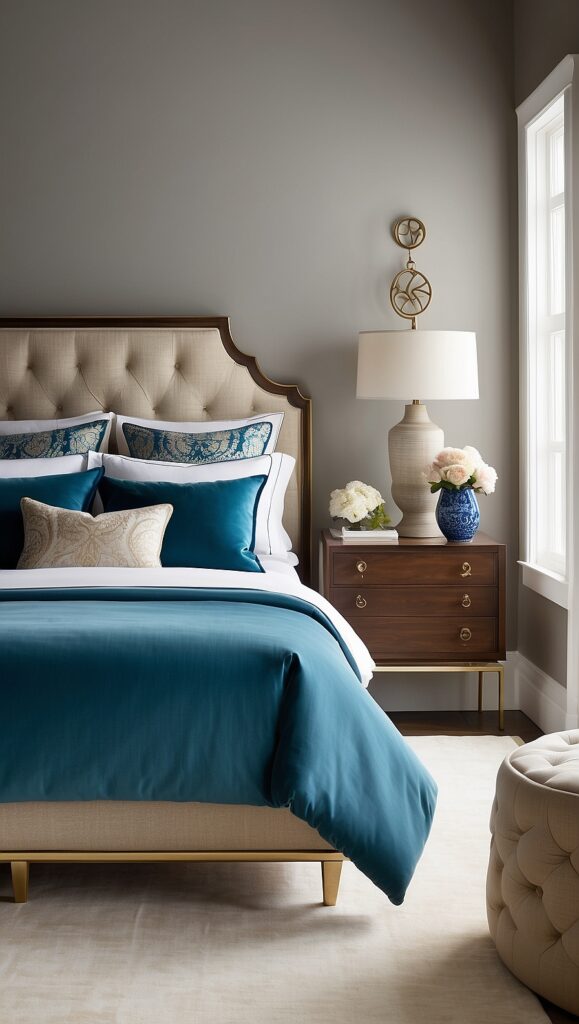
The most important rule when mixing textures is balance. A luxurious bedroom should feel cohesive rather than chaotic.
A helpful guideline is the “three texture rule.” Choose three dominant textures and repeat them throughout the room.
For example:
- Velvet
- Wood
- Brass
Repeating these materials in different areas—such as pillows, furniture, and lighting—creates harmony while still offering variety.
Consistency in color palette also helps tie the textures together.
Conclusion
Mixing and matching textures and materials is one of the most effective ways to create a luxurious bedroom. By layering fabrics, combining natural elements, incorporating metallic accents, and balancing matte and glossy finishes, you can design a space that feels sophisticated and comfortable.
The key is to build the room gradually—starting with a neutral foundation and adding textures through textiles, furniture, rugs, lighting, and accessories.
When done thoughtfully, these elements work together to create depth, warmth, and elegance. The result is a bedroom that not only looks luxurious but also feels like a personal sanctuary designed for relaxation and style.