
When planning a home improvement, renovation, or interior design project, one of the most important decisions you’ll make is whether to hire a professional designer or contractor—or take the DIY route. This choice impacts your budget, timeline, stress level, and overall results. There’s no universal right answer; it depends on your goals, skills, resources, and the complexity of the project.
Below is a comprehensive guide to help you decide which approach best suits your situation.
Understanding the Scope of Your Project
Before deciding between professional help and DIY, you must clearly define your project’s scope.
- Is it cosmetic (painting walls, installing shelves, updating décor)?
- Is it structural (removing walls, electrical rewiring, plumbing changes)?
- Does it require permits or inspections?
- What is your expected timeline?
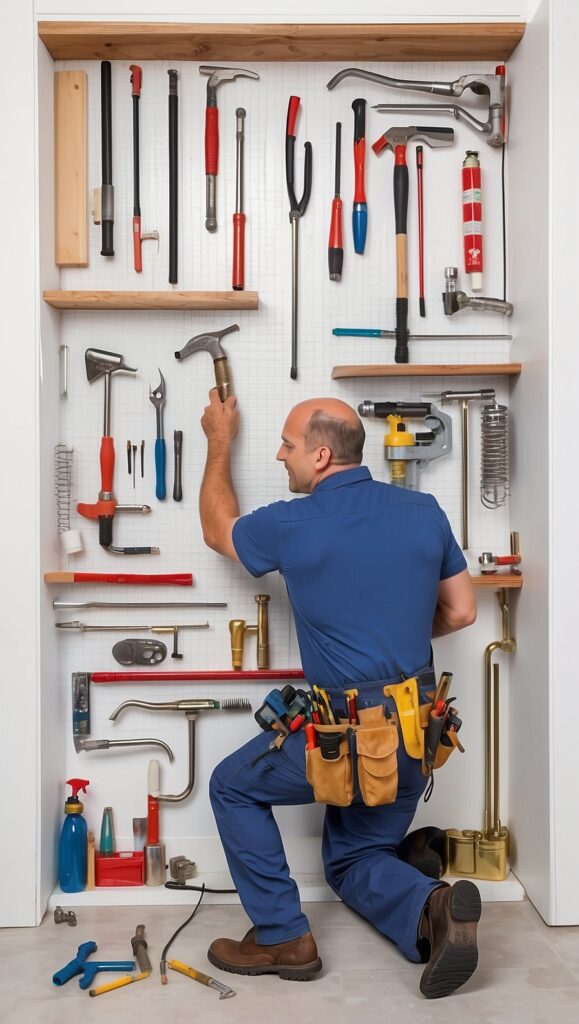
Small-scale decorative projects often work well for DIY. Large-scale renovations, especially those involving structural changes, plumbing, or electrical work, usually require licensed professionals to ensure safety and compliance with building codes.
Hiring a Professional Designer
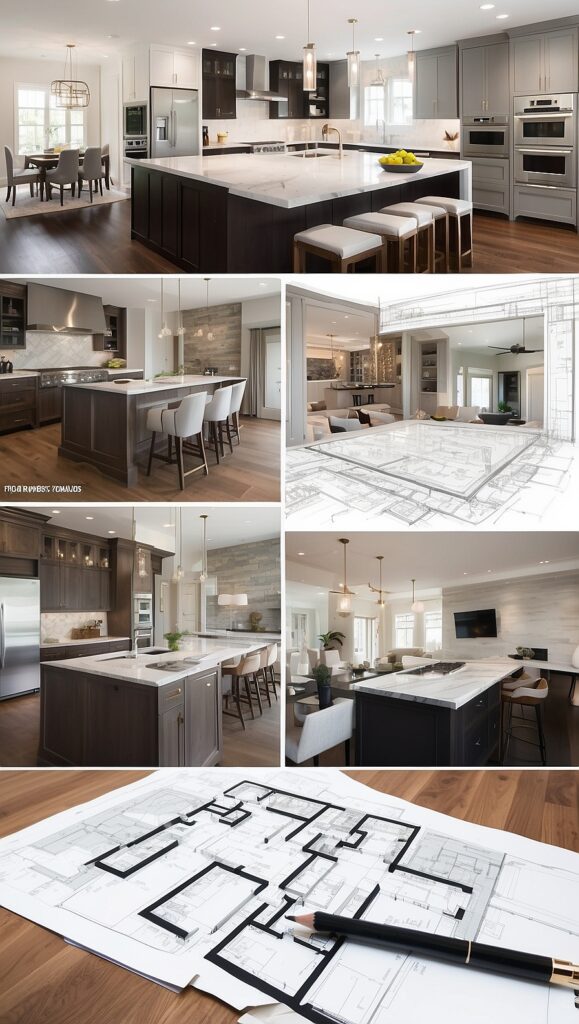
A professional interior designer brings expertise in aesthetics, space planning, materials, lighting, and project coordination. Their role goes beyond choosing paint colors and furniture.
Benefits of Hiring a Designer
1. Expertise and Vision
Designers understand color theory, spatial flow, scale, and proportion. They can create cohesive spaces that reflect your personality while maximizing functionality.
2. Access to Resources
Professionals often have access to exclusive materials, furnishings, trade discounts, and skilled subcontractors.
3. Time Savings
Researching products, comparing materials, and managing deliveries can be time-consuming. A designer handles these tasks efficiently.
4. Avoiding Costly Mistakes
Choosing the wrong materials or incorrect measurements can lead to expensive corrections. A designer reduces that risk.
5. Project Management
Designers coordinate with contractors, vendors, and suppliers, ensuring smooth execution.
Drawbacks of Hiring a Designer
- Higher upfront costs.
- Less hands-on involvement.
- Requires trust and collaboration.
Hiring a designer is particularly beneficial for whole-home renovations, luxury upgrades, or complex space planning challenges.
Hiring a Contractor

A contractor focuses on execution rather than design. They manage construction tasks, subcontractors, and technical aspects of the build.
Benefits of Hiring a Contractor
1. Professional Workmanship
Licensed contractors ensure work meets building codes and safety standards.
2. Efficiency and Speed
Professionals complete tasks faster due to experience and specialized tools.
3. Permit Handling
They understand local regulations and manage inspections.
4. Reduced Physical Labor
Construction projects can be physically demanding and potentially dangerous.
Drawbacks of Hiring a Contractor
- Higher costs compared to DIY.
- Less control over daily details.
- Requires careful vetting to ensure quality and reliability.
For structural renovations, electrical work, roofing, plumbing, or major remodels, hiring a contractor is often essential.
Taking the DIY Approach
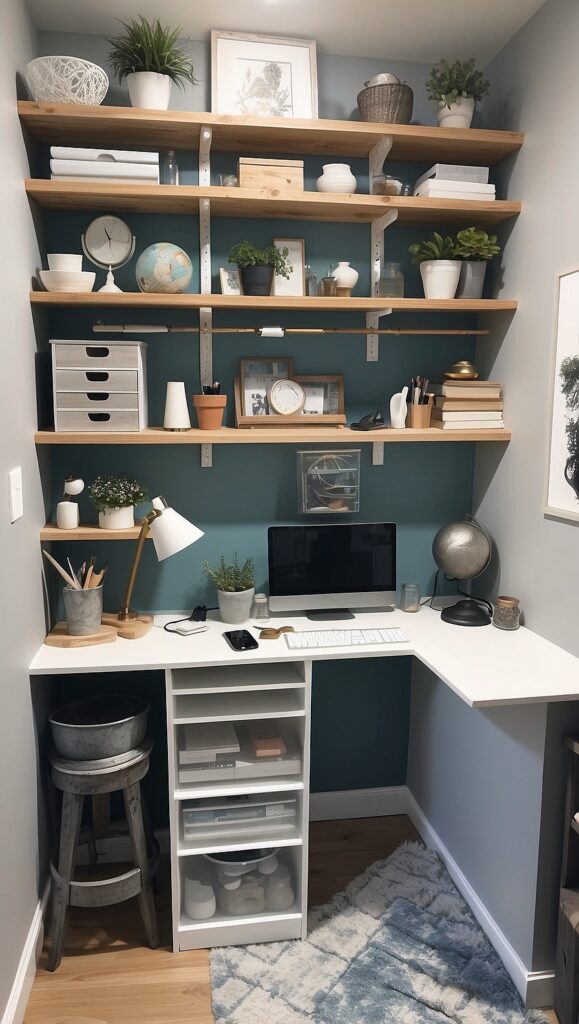
DIY (Do-It-Yourself) projects have become increasingly popular due to online tutorials, home improvement shows, and social media inspiration.
Benefits of DIY
1. Cost Savings
You eliminate labor costs, which often make up a large portion of project expenses.
2. Creative Control
You have complete authority over design decisions.
3. Personal Satisfaction
Completing a project yourself can be deeply rewarding.
4. Flexible Timeline
You work at your own pace without coordinating schedules.
Drawbacks of DIY
- Risk of mistakes.
- Longer completion times.
- Potential safety hazards.
- Lack of professional finish in complex projects.
DIY works best for painting, installing décor, simple furniture assembly, landscaping, and minor upgrades.
Budget Considerations

Budget often plays the biggest role in the decision.
- Limited budget: DIY may seem attractive, but mistakes can increase costs.
- Moderate budget: Consider hiring professionals for complex tasks and DIY the finishing touches.
- High budget: Professional services often deliver better long-term value.
Remember to factor in tools, materials, time, and potential rework when calculating DIY costs.
Time Commitment

Time is money. If you have a demanding job or family responsibilities, DIY projects may stretch over months. Professionals can often complete in weeks what may take you several months.
Ask yourself:
- Do I have evenings and weekends available?
- Am I willing to dedicate consistent time?
- Can I tolerate disruption for an extended period?
Skill Level and Experience
Be honest about your abilities.
- Have you completed similar projects before?
- Do you understand measurements and safety procedures?
- Are you comfortable using power tools?
If you lack experience in electrical, plumbing, or structural work, hiring professionals reduces risks.
Quality Expectations
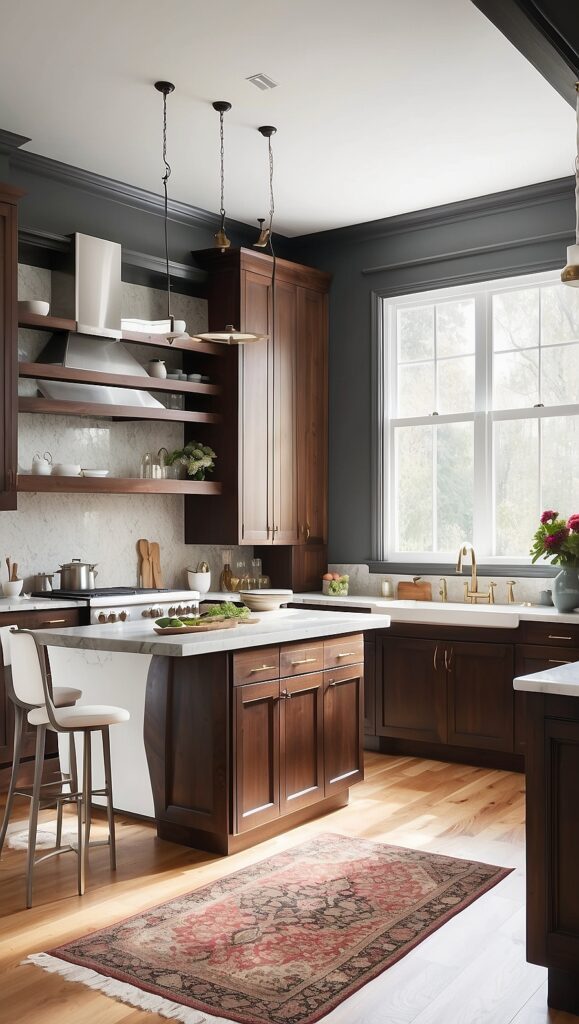
If you expect a high-end, polished finish—especially for resale value—professional work may provide better results. Real estate markets often reward quality craftsmanship.
However, if the space is personal and perfection isn’t critical, DIY may be sufficient.
Risk and Safety Factors
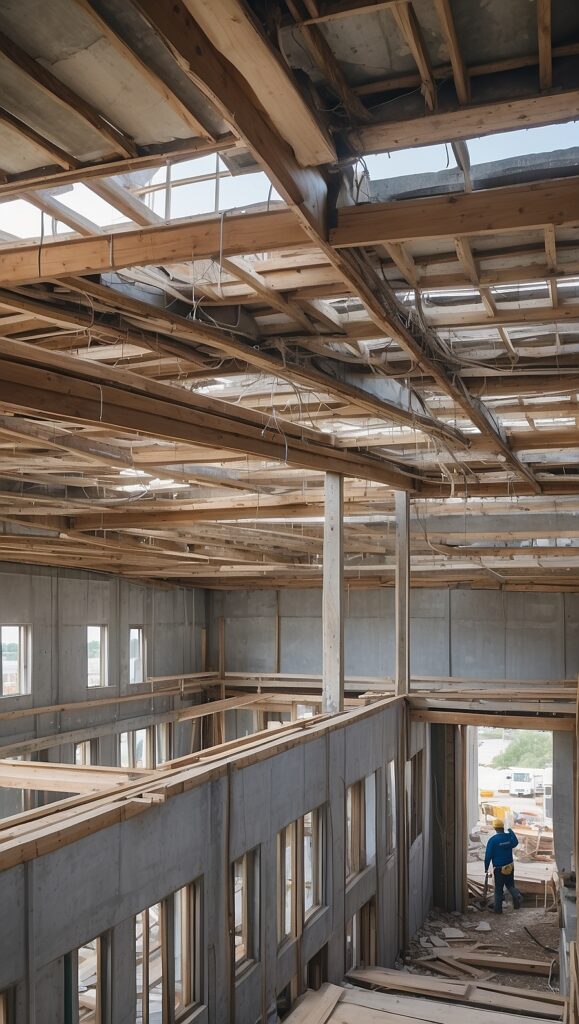
Certain projects involve significant risks:
- Electrical wiring
- Gas lines
- Roof repairs
- Load-bearing wall removal
Improper handling can lead to injury or long-term damage. In such cases, professional help is strongly recommended.
Hybrid Approach: The Best of Both Worlds

Many homeowners choose a combination approach.
For example:
- Hire a designer for planning and layout.
- Hire a contractor for structural work.
- DIY painting and décor installation.
This method balances cost savings with professional quality.
Long-Term Value
Consider the long-term impact of your decision.
Professional work may:
- Increase property value.
- Reduce maintenance issues.
- Provide warranties.
DIY projects may:
- Save money upfront.
- Offer personal pride.
- Be easier to modify later.
Emotional and Stress Factors
Renovations can be stressful. Managing contractors, sourcing materials, and solving unexpected problems requires patience and resilience.
If you prefer a hands-off experience, professionals reduce stress. If you enjoy hands-on problem-solving, DIY can be fulfilling.
Questions to Ask Yourself
Before making your decision, consider:
- What is my realistic budget?
- How complex is the project?
- Do I have the required skills?
- How important is timeline?
- What level of finish do I expect?
- Am I comfortable managing unforeseen issues?
Your answers will clarify the best direction.
Final Thoughts
Deciding whether to hire a professional designer or contractor—or pursue a DIY approach—depends on your goals, resources, and confidence. Professionals offer expertise, efficiency, and polished results, while DIY provides cost savings, creative freedom, and personal satisfaction.
In many cases, a balanced hybrid approach offers the ideal solution—leveraging professional skill for critical tasks and applying your own effort where feasible.
Ultimately, the best choice is the one that aligns with your budget, timeline, comfort level, and long-term vision for your space.