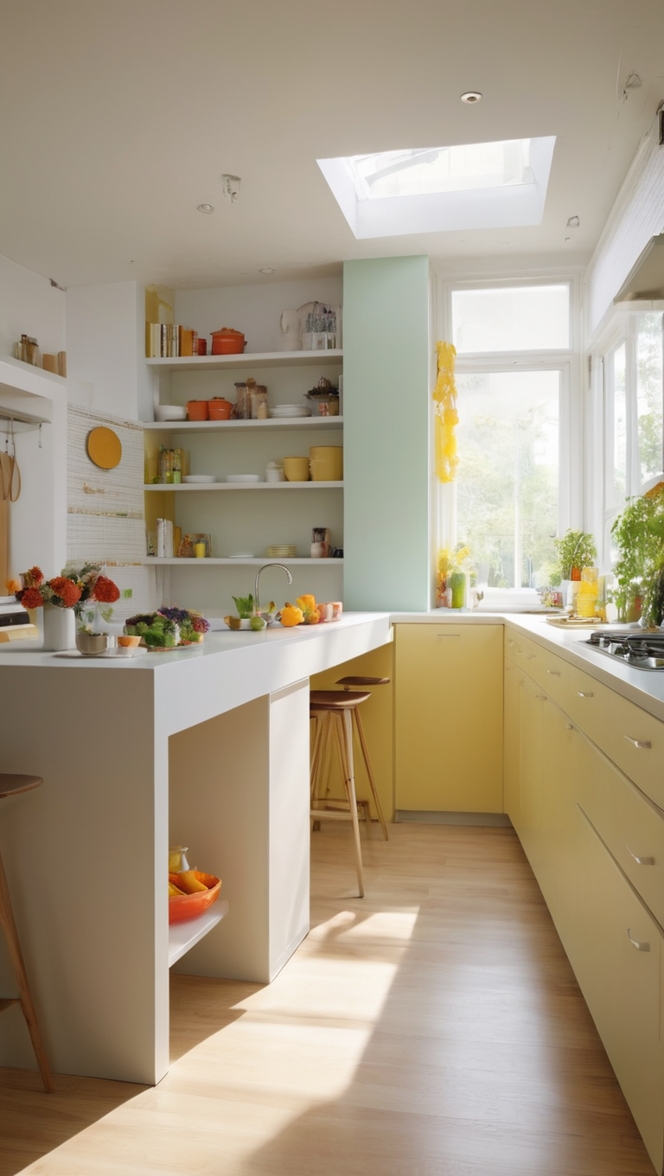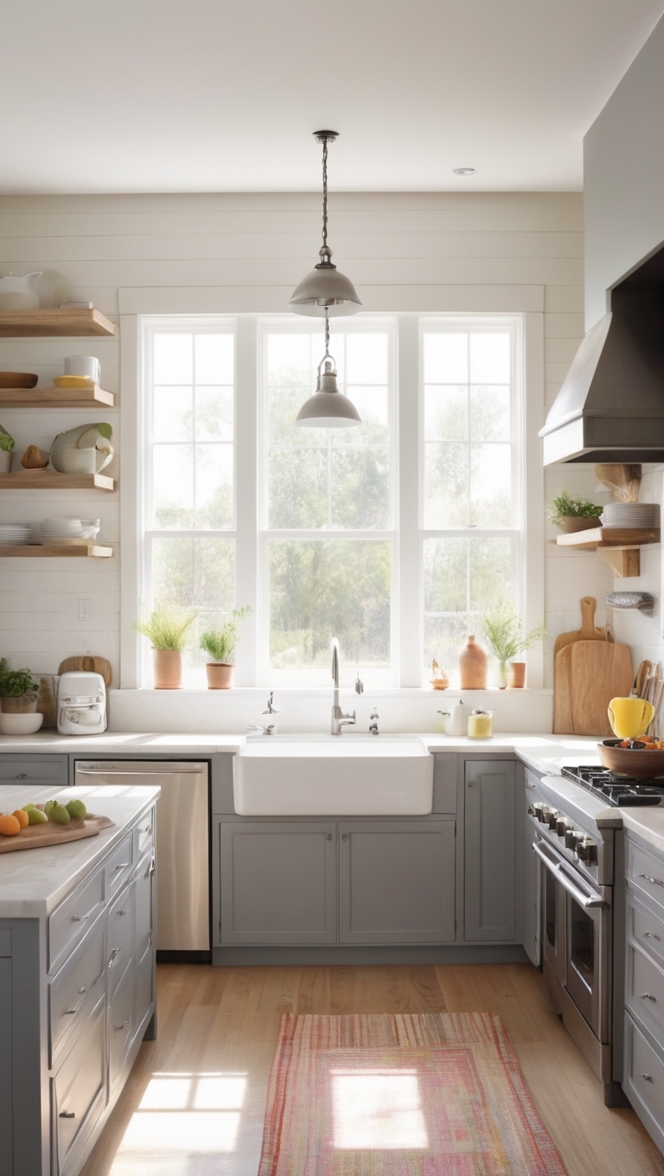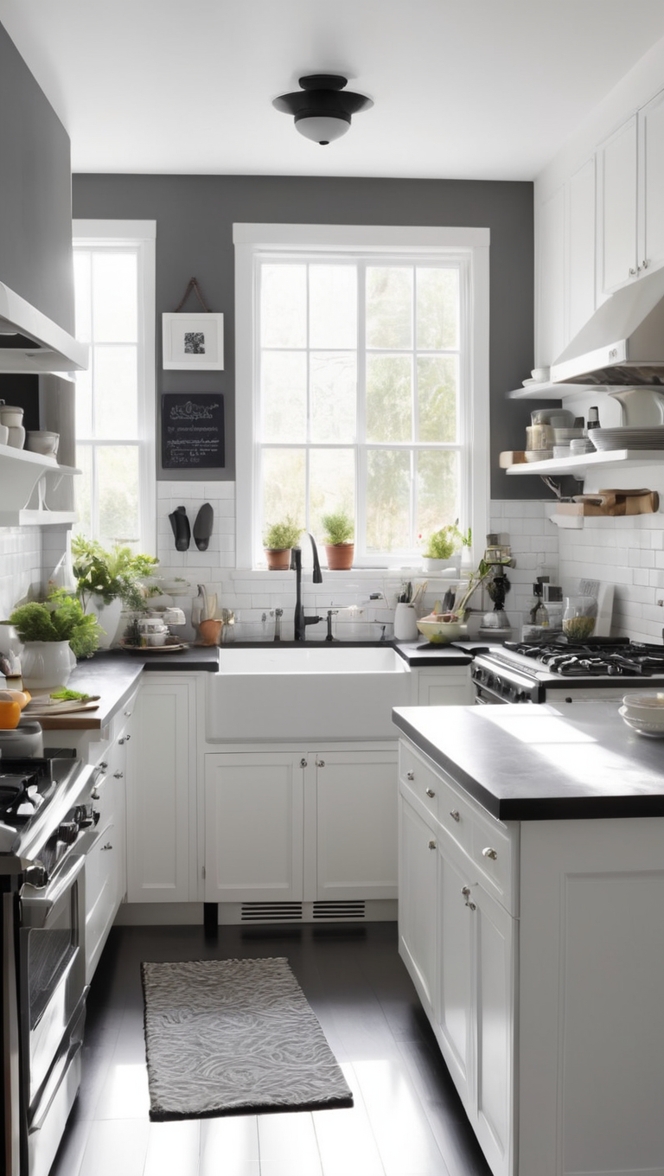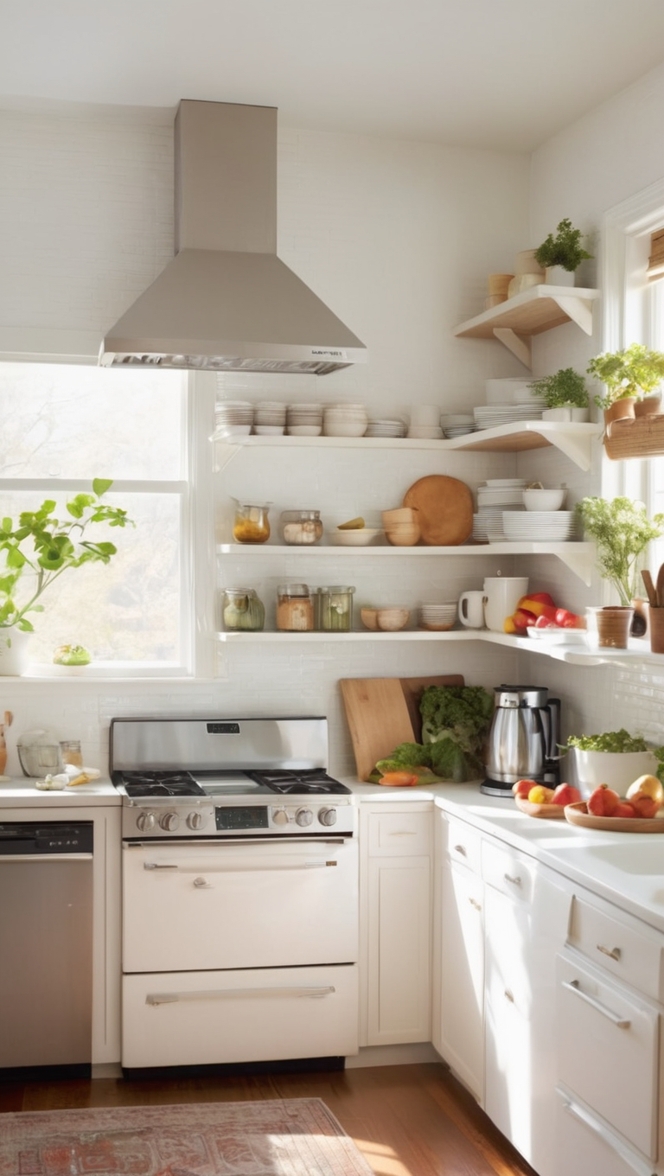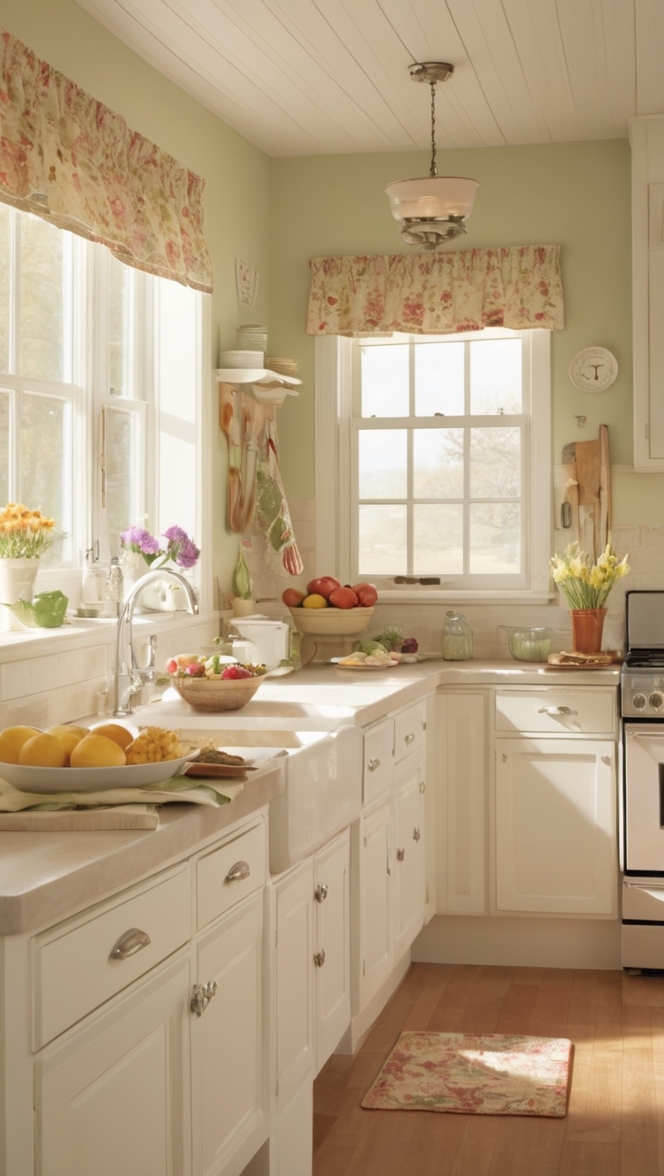
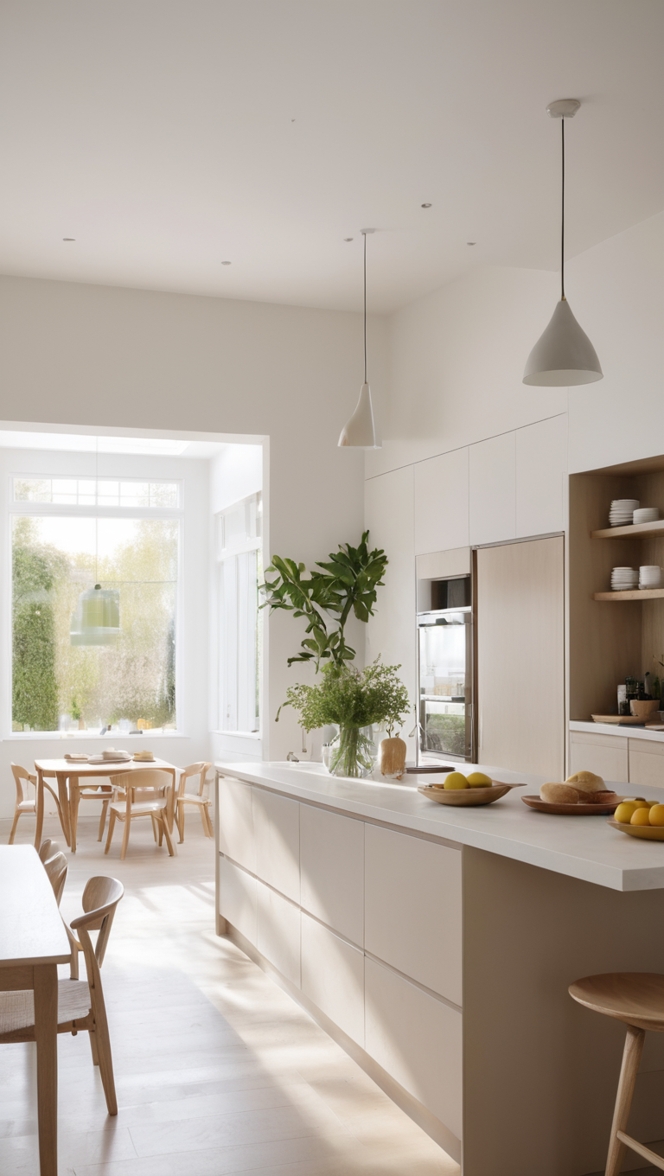
Curious about modern kitchen design for open plan living spaces? Discover effective tips for your home renovation.
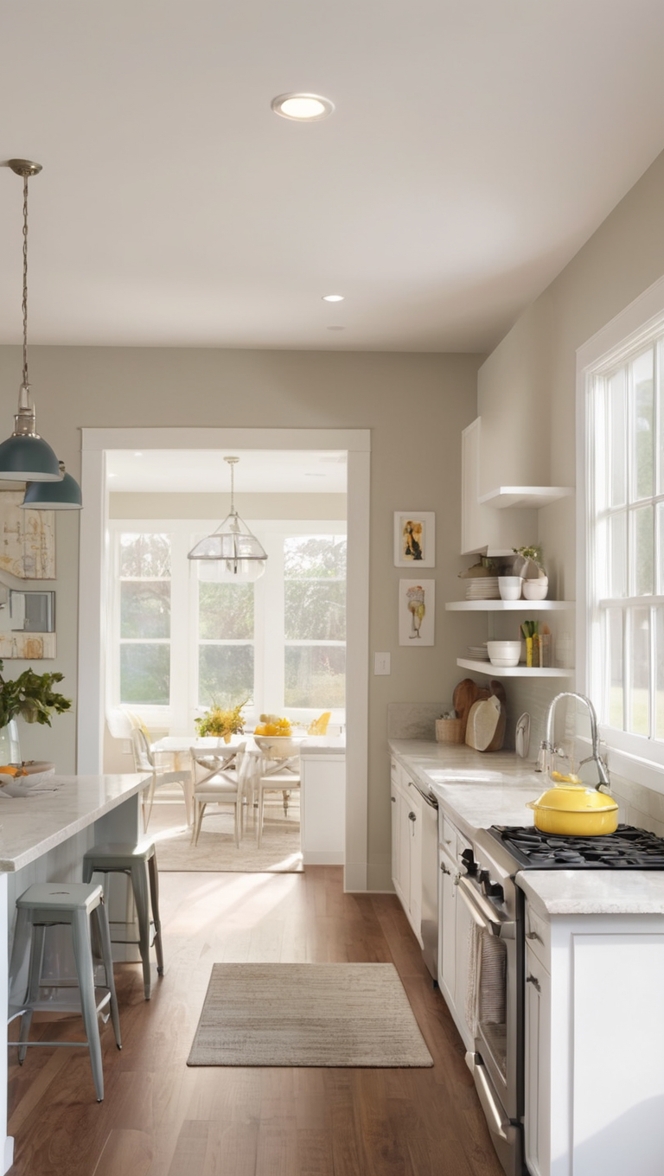
Disclosure: This post contains affiliate links. We may earn a commission at no extra cost to you.
To effectively design a kitchen living area open plan, consider the following factors:
1. **Space Planning**: Ensure that the kitchen and living area flow seamlessly together, considering the placement of furniture, appliances, and storage units.
2. **Lighting**: Incorporate both natural and artificial lighting to create a warm and inviting atmosphere.
3. **Color Scheme**: Choose a cohesive color palette that ties the two areas together while still allowing each space to have its own identity.
4. **Materials**: Opt for durable and easy-to-clean materials for kitchen surfaces and soft furnishings in the living area.
5. **Storage Solutions**: Maximize storage space with clever solutions like built-in cabinets and multifunctional furniture.
6. **Traffic Flow**: Arrange the layout to allow for smooth movement between the kitchen and living area.
7. **Zoning**: Create designated zones within the open plan to define different functions such as cooking, dining, and relaxation.
8. **Accessorizing**: Add personal touches with decor items that reflect your style and enhance the overall aesthetic.
9. **Safety**: Be mindful of safety hazards such as sharp edges or hot surfaces in the kitchen area, especially if you have children or pets.
10. **Maintenance**: Plan for easy maintenance of both areas to keep them looking clean and organized.
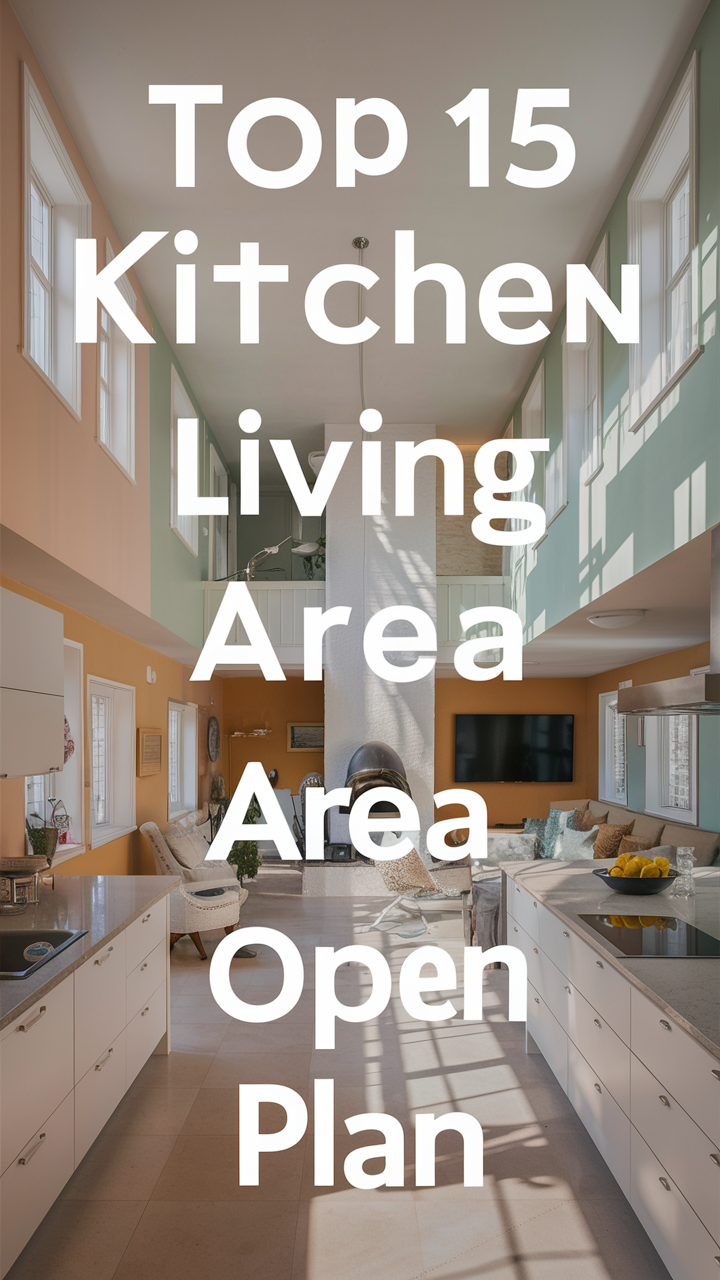
How can I effectively design a kitchen living area open plan?
1. What layout options are available for an open plan kitchen living area?
As a homeowner looking to design an open plan kitchen living area, I have explored various layout options that can maximize space and functionality. One popular layout is the L-shaped kitchen that opens up to the living area, creating a seamless flow between the two spaces. Another option is a kitchen island that serves as a focal point and provides additional seating for guests. I have also considered a galley kitchen layout that optimizes storage and workspace while still allowing for an open feel.
2. How can I create a cohesive design between the kitchen and living area?
To ensure a cohesive design between the kitchen and living area, I have focused on creating a consistent color palette and using complementary materials throughout both spaces. This includes selecting matching cabinetry finishes, coordinating countertop materials, and incorporating similar flooring options. Additionally, I have chosen to add decorative elements such as rugs, artwork, and lighting fixtures that tie the two areas together.
3. What are some key considerations when choosing furniture for an open plan space?
When selecting furniture for an open plan kitchen living area, I have prioritized pieces that are both functional and visually appealing. This includes choosing furniture that is proportionate to the space, allows for easy movement between the kitchen and living area, and complements the overall design aesthetic. I have also considered the durability of the furniture, especially in high-traffic areas, to ensure that it can withstand daily use.
4. How can I ensure proper lighting in both the kitchen and living areas?
Proper lighting is essential in an open plan kitchen living area to create a welcoming and functional space. To achieve this, I have incorporated a mix of ambient, task, and accent lighting throughout both areas. This includes overhead lighting fixtures, under cabinet lighting in the kitchen, and floor or table lamps in the living area. I have also considered natural light sources such as windows and skylights to brighten the space during the day.
5. What color scheme works best for an open plan kitchen living area?
When choosing a color scheme for my open plan kitchen living area, I have opted for a cohesive palette that ties the two spaces together. I have selected neutral tones such as whites, grays, and earthy tones to create a sense of continuity and openness. Additionally, I have incorporated pops of color through accessories and accents to add visual interest and personality to the space.
6. How can I maintain a sense of privacy in an open plan layout?
While open plan layouts are great for creating a spacious and connected feel, privacy can sometimes be a concern. To address this, I have explored options such as room dividers, sliding doors, or curtains that can be used to separate the kitchen and living area when needed. I have also strategically placed furniture and decor to create designated zones within the open plan space, providing a sense of privacy without compromising the overall flow.
7. What are some creative storage solutions for kitchen living areas?
In order to maximize storage in my open plan kitchen living area, I have implemented creative solutions such as built-in shelving, hidden cabinets, and multifunctional furniture. I have also utilized vertical storage options like floating shelves or wall-mounted racks to make use of vertical space. Additionally, I have organized my kitchen and living area items efficiently to minimize clutter and maintain a clean and organized look.
By carefully considering these design elements and personalizing my open plan kitchen living area to suit my lifestyle and preferences, I have been able to create a functional, stylish, and inviting space that seamlessly integrates the kitchen and living areas.
Designing a Kitchen Living Area Open Plan: 10 Essential Factors to Consider
When it comes to creating a kitchen living area open plan, there are several key factors to keep in mind to ensure a functional and aesthetically pleasing space. From space planning to safety considerations, here are 10 essential factors to consider when designing an open plan kitchen living area.
1. Space Planning:
Effective space planning is crucial when designing an open plan kitchen living area. Consider the layout of the space and how the kitchen and living areas will flow together. Arrange furniture, appliances, and storage units in a way that promotes seamless movement between the two areas.
2. Lighting:
Lighting plays a significant role in creating a welcoming atmosphere in an open plan space. Incorporate both natural light and artificial lighting to ensure that the kitchen and living areas are well-lit and inviting. Consider pendant lights, recessed lighting, and under cabinet lighting to brighten up the space.
3. Color Scheme:
Choosing a cohesive color scheme is essential for tying the kitchen and living areas together. Select colors that complement each other and create a harmonious look throughout the space. Consider using paint colors from reputable brands like Sherwin Williams or Benjamin Moore for a high-quality finish.
4. Materials:
Selecting the right materials is important for both the kitchen and living areas in an open plan space. Opt for durable and easy-to-clean materials for kitchen surfaces, such as quartz countertops and ceramic tile flooring. In the living area, choose soft furnishings like sofas and rugs that are both stylish and practical.
5. Storage Solutions:
Maximizing storage space is key in an open plan kitchen living area. Utilize built-in cabinets, shelves, and multifunctional furniture to keep the space organized and clutter-free. Consider incorporating storage solutions that blend seamlessly with the overall design of the space.
6. Traffic Flow:
Consider the flow of traffic in the open plan space and ensure that there are clear pathways between the kitchen and living areas. Arrange furniture and appliances in a way that allows for easy movement and access to different areas of the space.
7. Zoning:
Create designated zones within the open plan to define different functions of the space. Designate areas for cooking, dining, and relaxation to ensure that each area serves its purpose effectively. Use rugs, furniture placement, and lighting to delineate these zones.
8. Accessorizing:
Add personal touches to the space with decor items that reflect your style and personality. Incorporate artwork, throw pillows, and decorative accessories to enhance the overall aesthetic of the kitchen living area. Choose accessories that complement the color scheme and design of the space.
9. Safety:
Safety is crucial in a kitchen living area open plan, especially if you have children or pets. Be mindful of potential safety hazards such as sharp edges, hot surfaces, and heavy appliances. Take precautions to childproof the space and ensure that it is a safe environment for all occupants.
10. Maintenance:
Plan for easy maintenance of the kitchen and living areas to keep them looking clean and organized. Choose materials that are easy to clean and maintain, such as stain-resistant countertops and machine-washable upholstery. Establish a cleaning routine to ensure that the space remains in top condition.
In conclusion, designing a kitchen living area open plan requires careful consideration of several key factors. By focusing on space planning, lighting, color scheme, materials, storage solutions, traffic flow, zoning, accessorizing, safety, and maintenance, you can create a functional and stylish open plan space that meets your needs and preferences. Incorporate these essential factors into your design process to achieve a cohesive and inviting kitchen living area open plan.