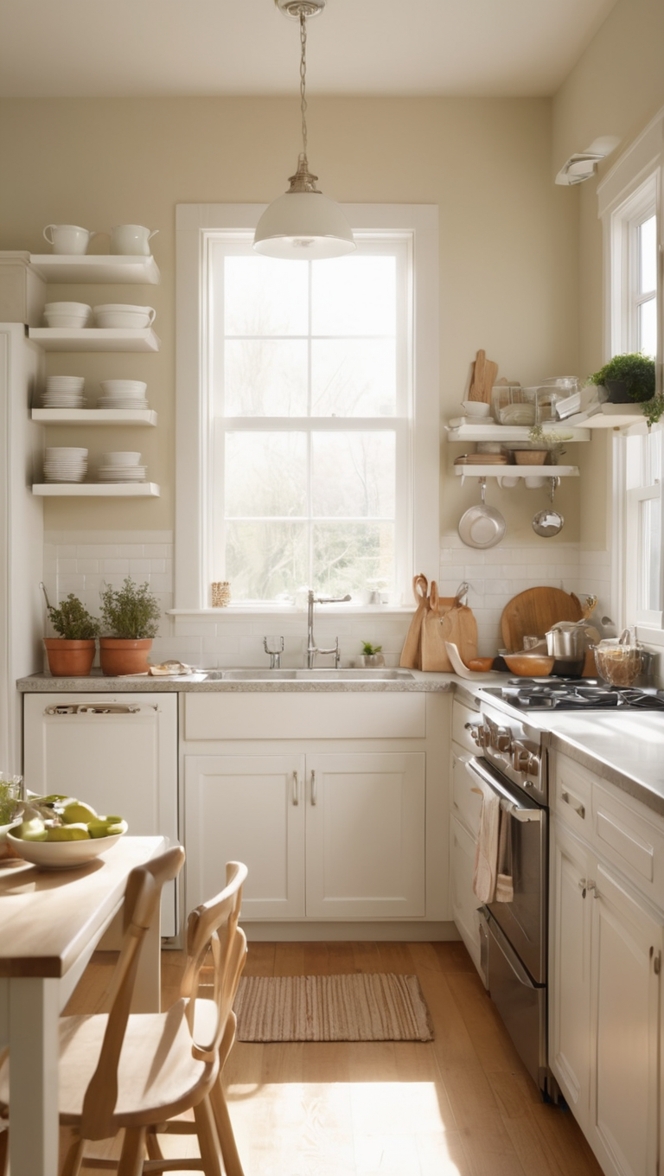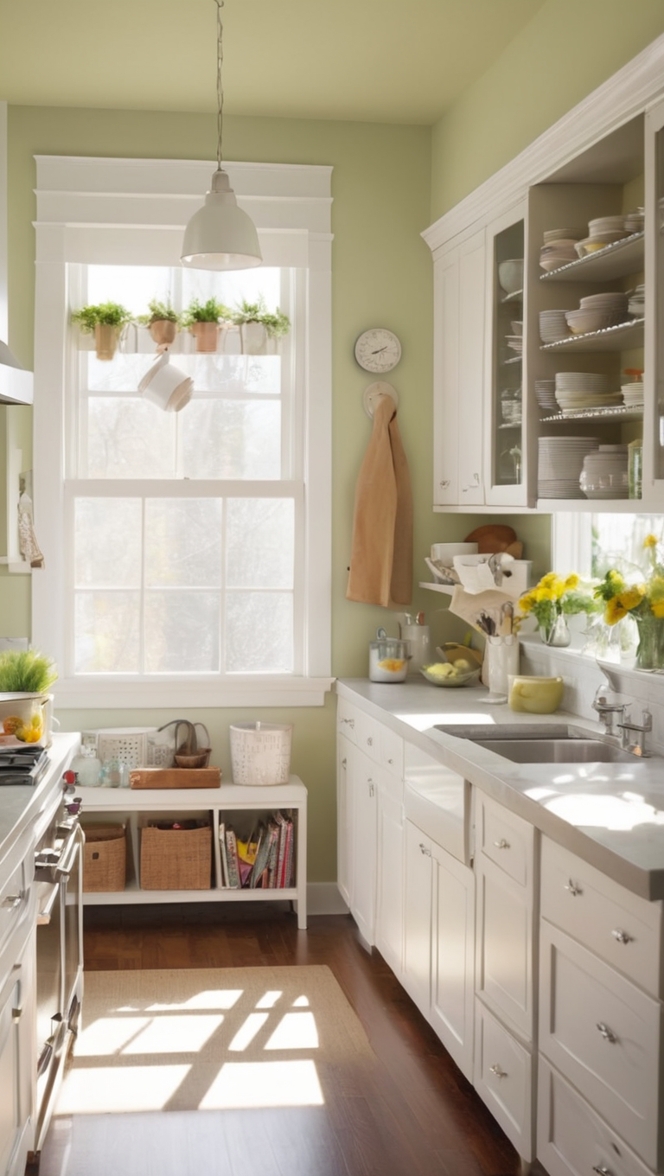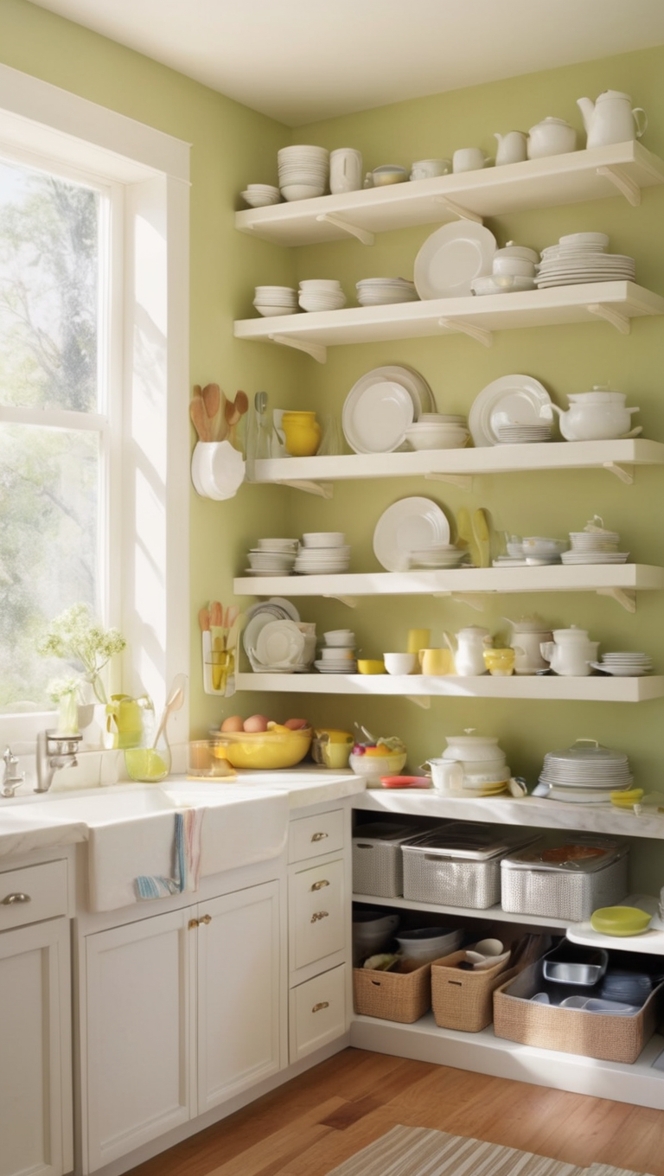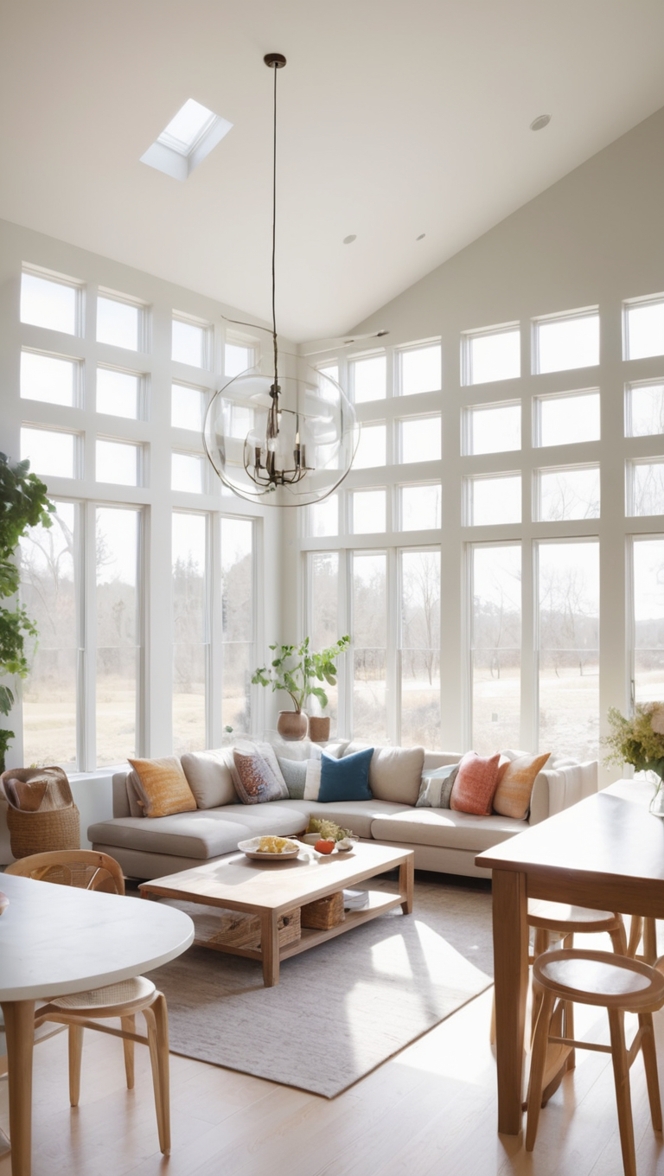
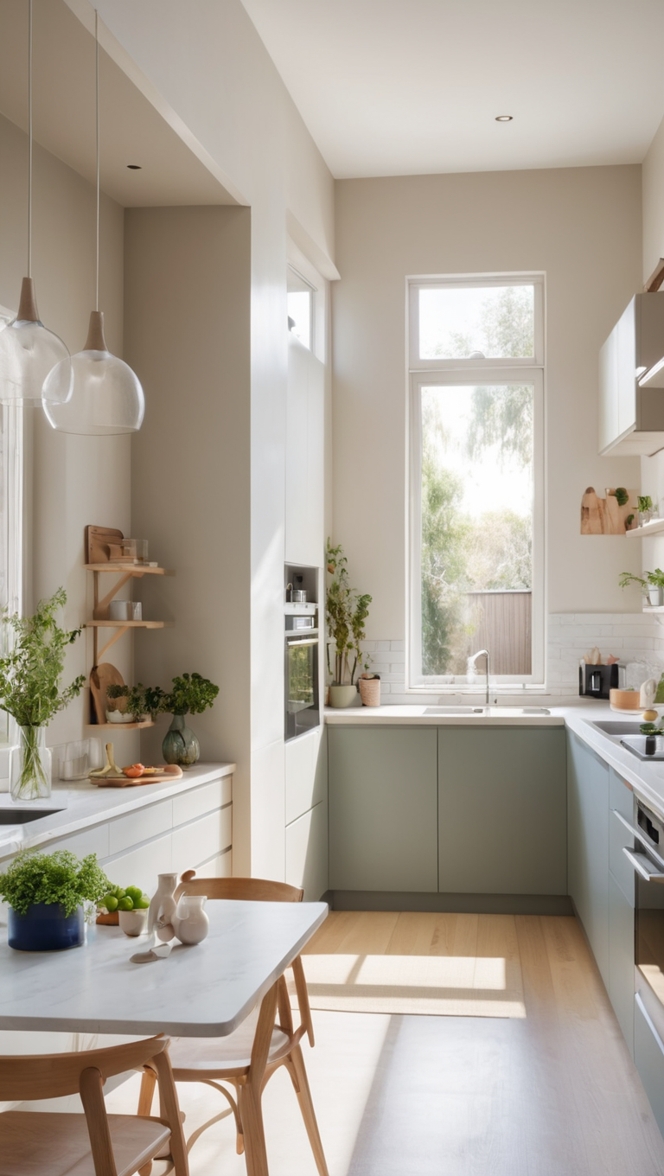
Discover the advantages of an open plan kitchen living dining space for a functional and inviting home design.
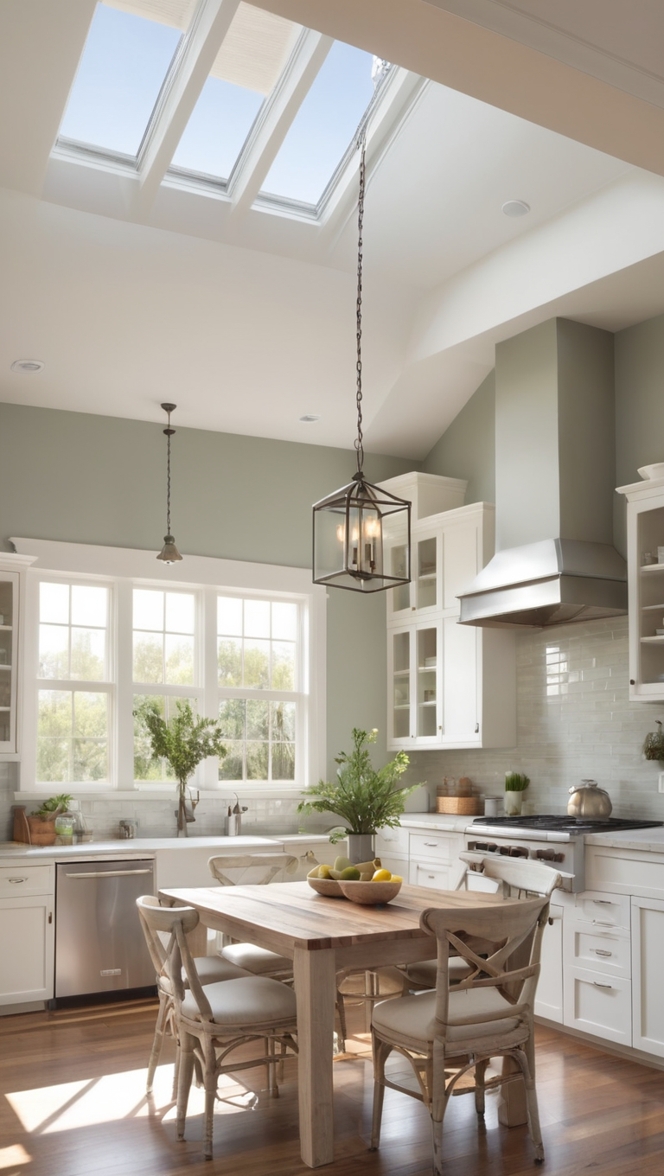
Disclosure: This post contains affiliate links. We may earn a commission at no extra cost to you.
Benefits of an open plan kitchen dining living space include enhanced social interaction, more natural light, a feeling of spaciousness, and easier entertaining. However, it’s important to consider noise levels and the need for proper zoning or design to maintain functionality. To make the most of this layout, consider using cohesive decor themes, strategic furniture placement, and clever storage solutions. Incorporating different functional areas like a kitchen island or designated dining space can help maintain organization and flow within the space.
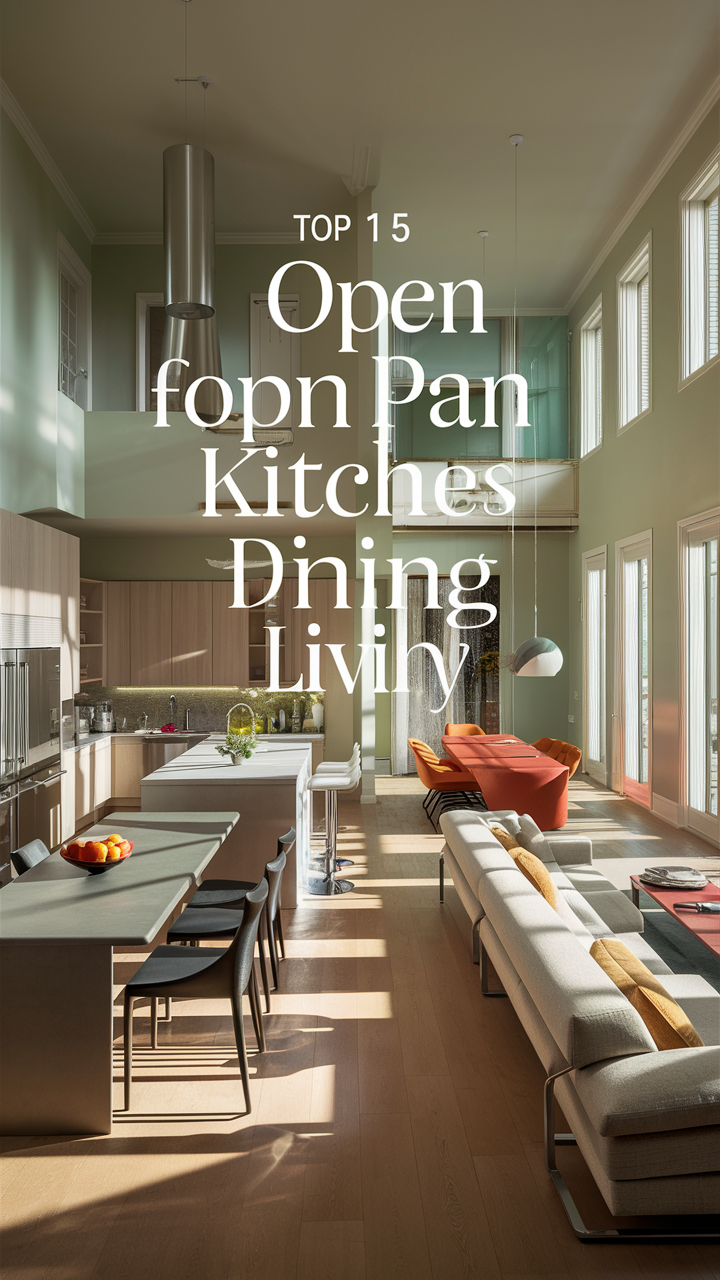
What are the benefits of an open plan kitchen dining living space?
1. How does an open plan layout enhance social interaction?
As a homeowner who has experienced the benefits of an open plan kitchen dining living space, I can attest to how this layout enhances social interaction. The seamless flow between the kitchen, dining area, and living space allows for easy communication and interaction among family members and guests. Whether I’m cooking in the kitchen while my family relaxes in the living room or we are all gathered around the dining table, the open plan layout encourages conversation and connection.
2. What impact does natural light have on an open plan space?
Natural light plays a crucial role in making an open plan space feel bright, airy, and welcoming. With larger windows and fewer walls to block the light, the space is flooded with sunlight throughout the day. This not only creates a more pleasant and inviting atmosphere but also helps save on energy costs by reducing the need for artificial lighting during the day.
3. How does an open plan design create a sense of spaciousness?
The lack of walls in an open plan layout visually expands the space, making it feel larger and more spacious than it actually is. By removing barriers between the kitchen, dining area, and living room, the entire area feels connected and open, enhancing the overall sense of freedom and flow within the space.
4. What are the advantages of having a multifunctional space for cooking, dining, and living?
Having a multifunctional space where cooking, dining, and living areas blend seamlessly together offers a range of advantages. It allows for easy multitasking, whether I’m preparing a meal while keeping an eye on my kids or entertaining guests while cooking. The versatility of the space also makes it easier to adapt to different activities and occasions, from casual family dinners to formal gatherings.
5. How does an open plan layout promote better communication among family members?
In my experience as a homeowner, the open plan layout has greatly improved communication among family members. Whether we’re sharing a meal at the dining table or watching TV in the living room, the open flow of the space encourages interaction and connection. It’s easier to have conversations, coordinate activities, and simply enjoy each other’s company in a space that is open and inviting.
6. What role does the kitchen island play in an open plan setup?
The kitchen island serves as a central focal point in an open plan setup, providing a functional and stylish element that ties the kitchen, dining area, and living space together. It offers additional counter space for food preparation, a casual dining area for quick meals, and a gathering spot for socializing. The kitchen island enhances the functionality and aesthetics of the space while promoting interaction and engagement among family members and guests.
7. How does an open plan design facilitate entertaining guests during gatherings and parties?
Hosting gatherings and parties in an open plan kitchen dining living space is a breeze. The open layout allows guests to move freely between the kitchen, dining area, and living room, creating a seamless flow for socializing and entertaining. Whether I’m serving appetizers from the kitchen island, enjoying a meal at the dining table, or relaxing in the living room, the open plan design ensures that everyone feels included and connected during gatherings and parties.
12 Unique Ideas for an Open Plan Kitchen Dining Living Space
When designing an open plan kitchen dining living space, there are many factors to consider to make the most of this layout. While the benefits of such a layout are numerous, it’s essential to think about functionality, organization, and aesthetics. Here are 12 unique ideas to help you create a beautiful and functional open plan space:
1. Use a Neutral Color Palette
Opt for neutral paint colors like Sherwin Williams’ Agreeable Gray or Benjamin Moore’s Revere Pewter to create a cohesive look throughout the space. Neutral tones can help create a sense of flow and continuity in an open plan layout.
2. Define Functional Areas
Consider using area rugs or furniture placement to define different functional zones within the space. This can help create a sense of organization and separation between the kitchen, dining, and living areas.
3. Incorporate Natural Elements
Bring the outdoors in by incorporating natural elements like wood, stone, or plants into your open plan space. These elements can add warmth and texture to the room, creating a welcoming and inviting atmosphere.
4. Opt for Multi-Functional Furniture
Choose furniture pieces that serve multiple purposes, such as a dining table with built-in storage or a sofa with a pull-out bed. This can help maximize space and functionality in an open plan layout.
5. Create a Cohesive Decor Theme
Choose a consistent decor theme or color scheme throughout the space to create a harmonious and visually appealing look. This can help tie the different areas together and create a sense of unity.
6. Maximize Natural Light
Ensure that the space is well-lit with natural light by strategically placing windows, skylights, or glass doors. Natural light can make the space feel brighter, more spacious, and inviting.
7. Add Statement Lighting
Incorporate statement lighting fixtures like pendant lights, chandeliers, or track lighting to add a focal point and enhance the ambiance of the space. Consider different lighting options for each functional area to create a layered lighting effect.
8. Incorporate Smart Storage Solutions
Utilize clever storage solutions like built-in cabinets, shelving units, or hidden storage compartments to keep the space organized and clutter-free. Consider incorporating storage solutions that blend seamlessly with the overall design of the space.
9. Create a Kitchen Island
Consider adding a kitchen island to provide additional counter space, storage, and seating in the open plan layout. A kitchen island can serve as a central focal point and help define the kitchen area within the space.
10. Designate a Dining Space
Create a designated dining area within the open plan layout by using a dining table, chairs, and lighting fixtures. This can help create a separate dining zone and promote social interaction during meals.
11. Incorporate Flexible Seating Options
Choose seating options like bar stools, benches, or ottomans that can easily be moved around to accommodate different activities or guests. Flexible seating can help make the space more versatile and adaptable to various needs.
12. Personalize the Space
Add personal touches like artwork, photographs, or decorative accessories to make the space feel more inviting and reflective of your personal style. Personalizing the space can help create a warm and welcoming atmosphere for you and your guests.
By implementing these 12 unique ideas, you can create a beautiful, functional, and inviting open plan kitchen dining living space that maximizes the benefits of this layout while addressing potential challenges. With careful planning and attention to detail, you can design a space that is both stylish and practical for everyday living.