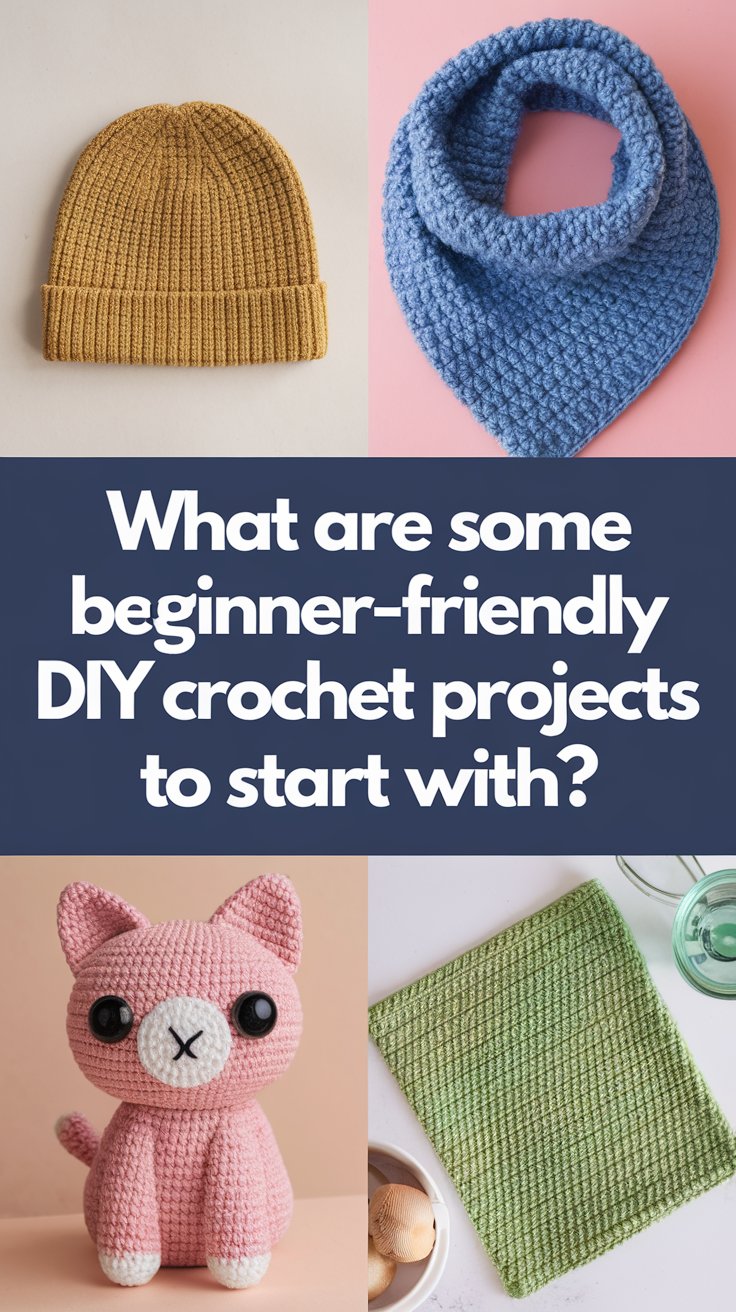
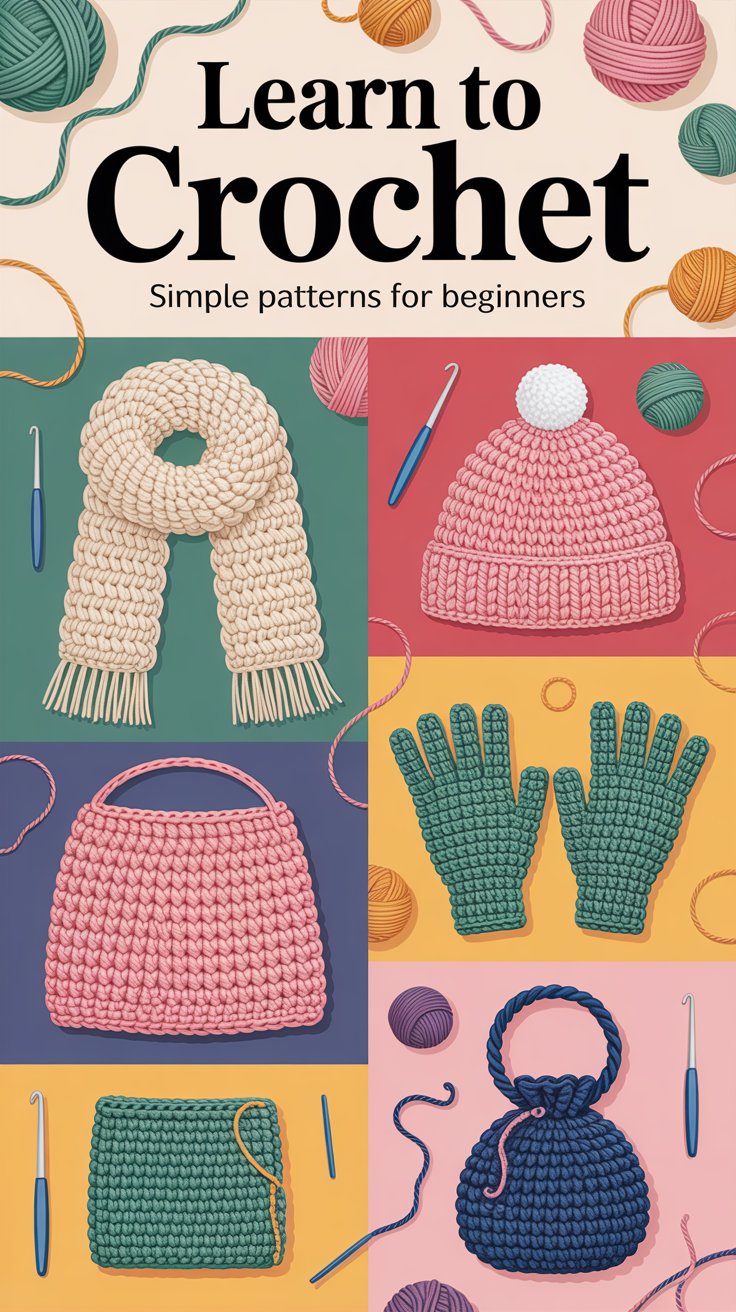
Yes—you can absolutely crochet clothing and accessories. In fact, crochet is one of the most versatile fiber crafts, allowing you to create everything from cozy sweaters to stylish bags and delicate jewelry. Whether you’re a beginner or an experienced crafter, crochet offers endless opportunities to design functional and fashionable items using just a hook and yarn. The beauty of crochet lies in its simplicity: with only a few basic stitches, you can produce complex textures, shapes, and patterns.
Below is a comprehensive guide to crocheting clothing and accessories, along with several simple patterns that beginners can easily try.
Why Crochet Is Great for Clothing and Accessories
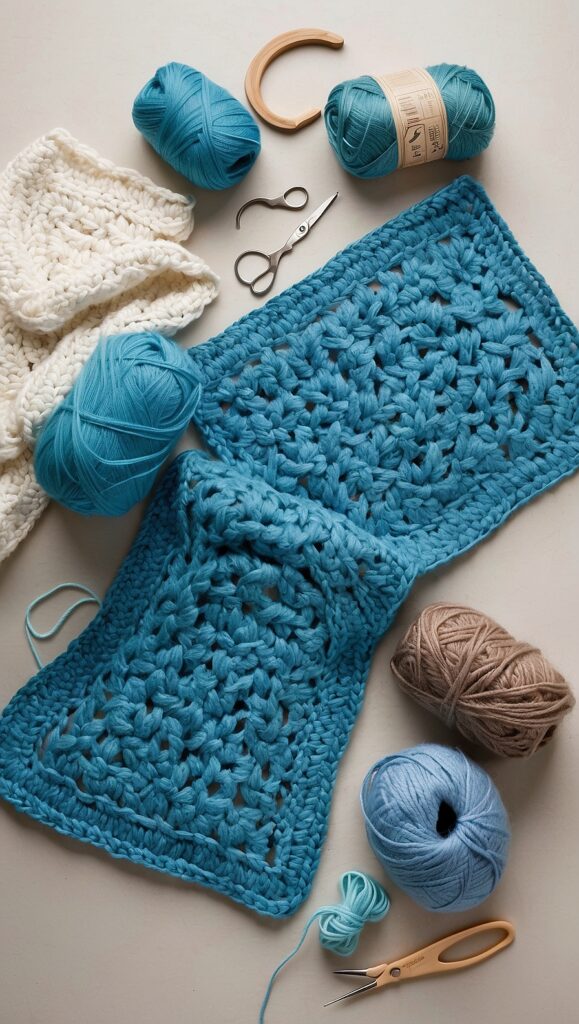
Crochet is ideal for making garments and accessories because it allows complete control over texture, stretch, and structure. Unlike some other crafts, crochet stitches are built one loop at a time, which makes it easy to adjust sizing, add decorative elements, and repair mistakes.
Another advantage is that crochet requires minimal equipment. A crochet hook, yarn, scissors, and a yarn needle are usually all you need. With these tools, you can create items such as hats, scarves, sweaters, shawls, bags, gloves, and even shoes.
Crochet is also highly customizable. You can choose different yarn fibers like cotton, wool, acrylic, or bamboo to suit the season and purpose. Lightweight cotton yarn works well for summer tops and bags, while wool or acrylic yarn is perfect for warm winter accessories.
Beyond practicality, crocheting clothing and accessories is also a creative outlet. You can mix colors, experiment with stitch patterns, and design unique handmade items that reflect your personal style.
Essential Crochet Stitches for Beginners
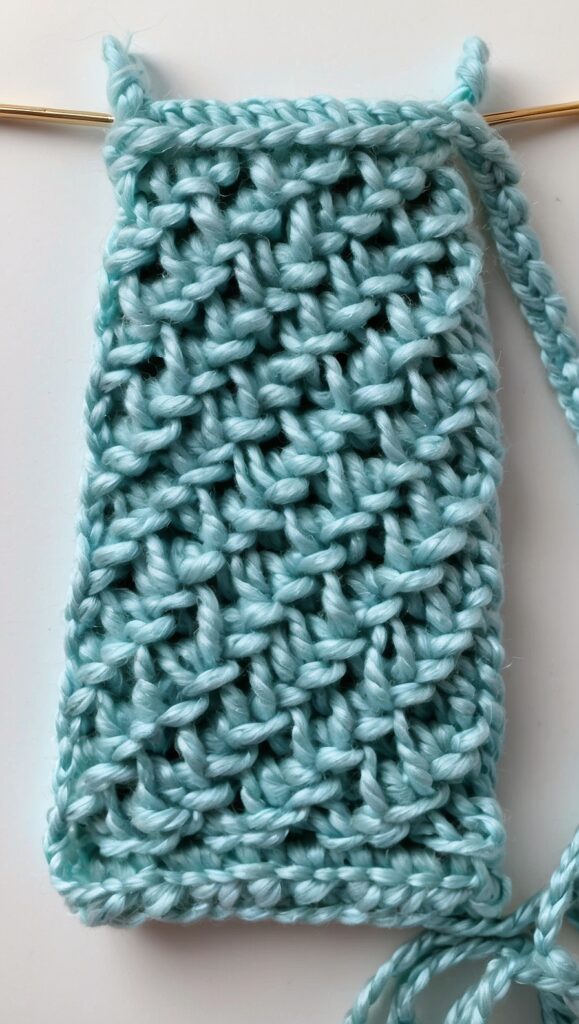
Before diving into patterns, it’s helpful to learn a few basic crochet stitches. These stitches form the foundation of most beginner patterns.
Chain Stitch (ch):
This is the first stitch used in almost every crochet project. It forms the starting foundation row.
Single Crochet (sc):
A tight, dense stitch commonly used for scarves, hats, and bags.
Half Double Crochet (hdc):
A slightly taller stitch that works up quickly and creates a soft texture.
Double Crochet (dc):
A taller stitch that creates a looser fabric, perfect for garments like sweaters and shawls.
Slip Stitch (sl st):
Used for joining rounds, finishing edges, or creating subtle textures.
Once you feel comfortable with these stitches, you can begin creating simple crochet projects.
Simple Crochet Clothing Patterns to Try
1. Beginner Crochet Scarf
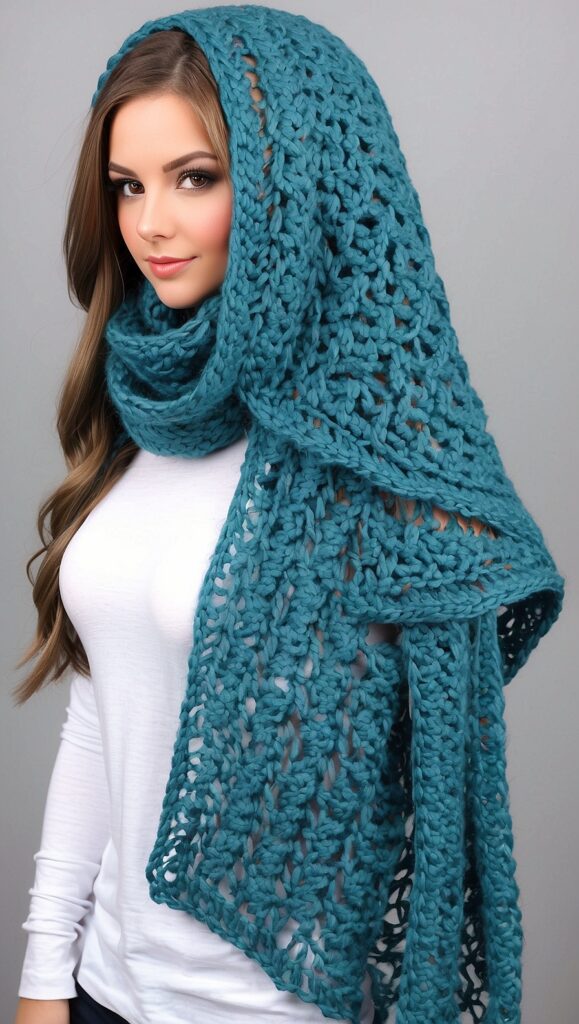
A scarf is one of the easiest crochet clothing accessories to start with. It helps you practice consistent tension and basic stitches.
Materials
- Medium-weight yarn
- 5–6 mm crochet hook
- Yarn needle
- Scissors
Basic Pattern
- Chain 25–30 stitches.
- Turn and single crochet across the row.
- Chain 1, turn, and repeat single crochet rows.
- Continue until the scarf reaches your desired length (usually 150–180 cm).
- Fasten off and weave in ends.
You can add fringe to the ends for decoration.
2. Simple Crochet Beanie Hat
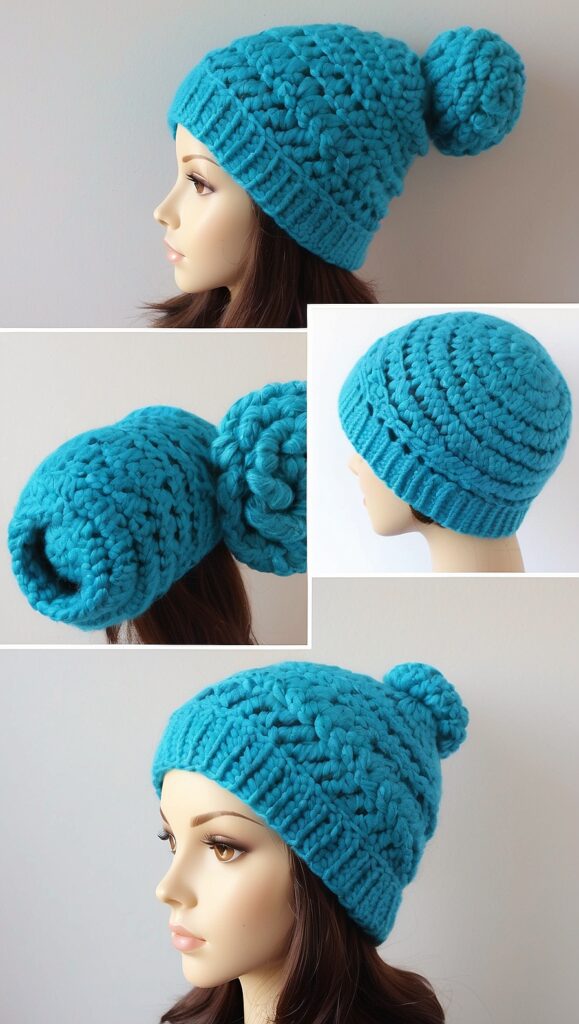
Beanies are quick projects and perfect for learning how to crochet in the round.
Materials
- Soft acrylic or wool yarn
- 5 mm crochet hook
Basic Pattern
- Make a magic ring.
- Crochet 10 double crochet stitches into the ring.
- Increase each round by adding extra stitches.
- Continue until the top circle fits the crown of your head.
- Crochet evenly without increases until the hat reaches ear length.
This pattern can be finished in a few hours.
3. Easy Crochet Crop Top
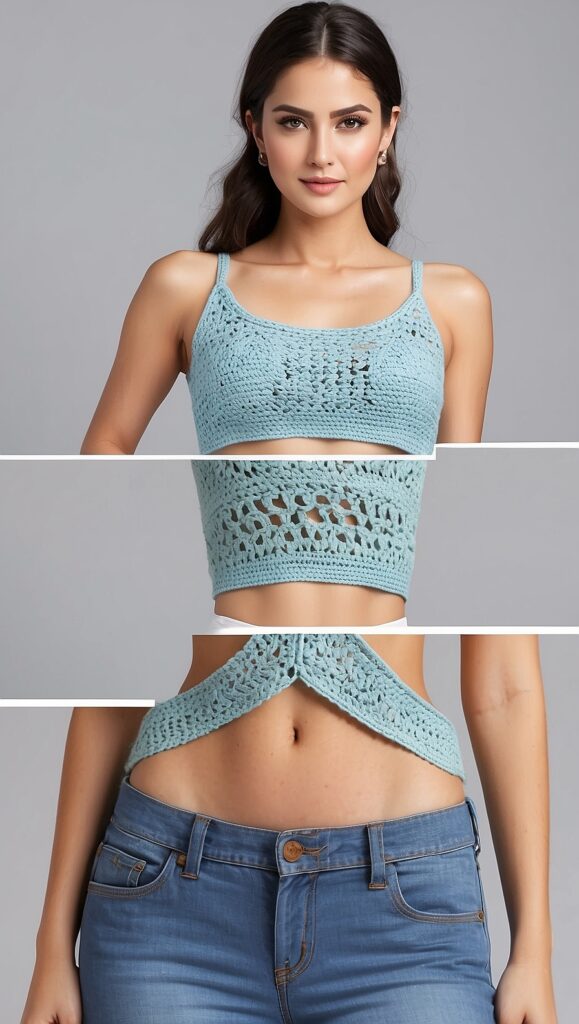
A crochet crop top is a stylish and beginner-friendly clothing item.
Basic Method
- Crochet two rectangular panels using half double crochet.
- The panels should be wide enough to cover the front and back of the body.
- Join the sides with slip stitches or single crochet.
- Add shoulder straps using chains and single crochet.
Cotton yarn is ideal for this project because it is breathable and lightweight.
4. Beginner Crochet Cardigan
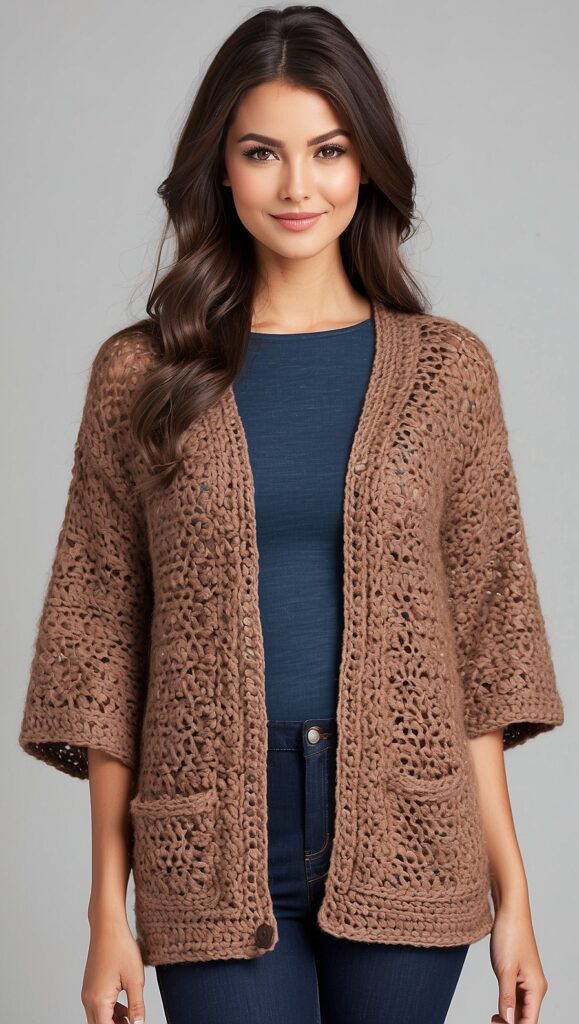
Cardigans may sound complex, but simple designs are beginner-friendly.
Simple Construction
- Crochet a large rectangle for the back panel.
- Crochet two smaller rectangles for the front panels.
- Add two sleeves made from rectangles.
- Sew the pieces together.
Using double crochet stitches helps the garment work up quickly and creates a soft drape.
Easy Crochet Accessories to Make
1. Crochet Headband
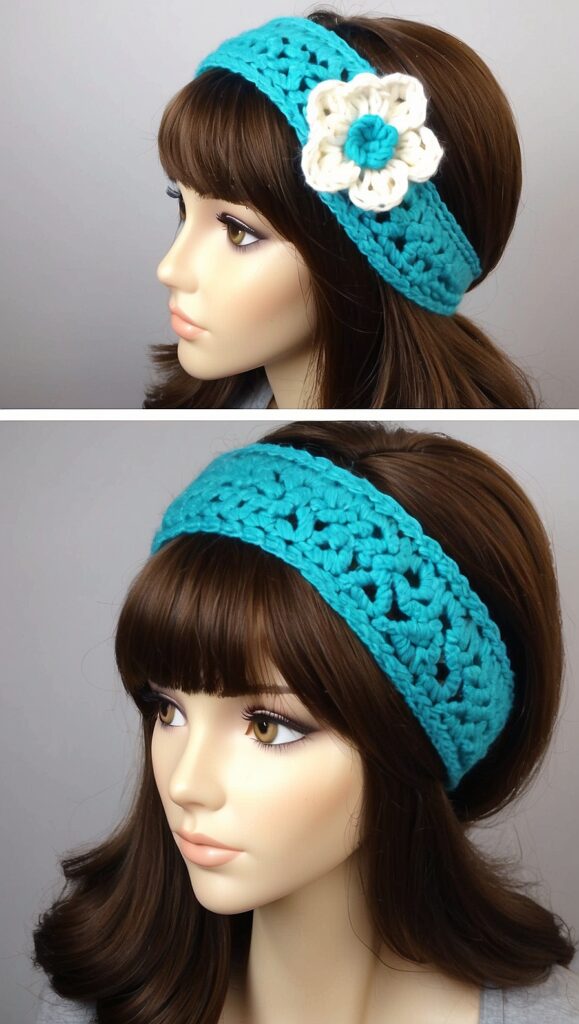
Headbands are quick projects that use very little yarn.
Pattern Idea
- Chain 12 stitches.
- Half double crochet across rows until it fits around your head.
- Join the ends with slip stitches.
You can add a twist design or crochet a small flower for decoration.
2. Crochet Tote Bag
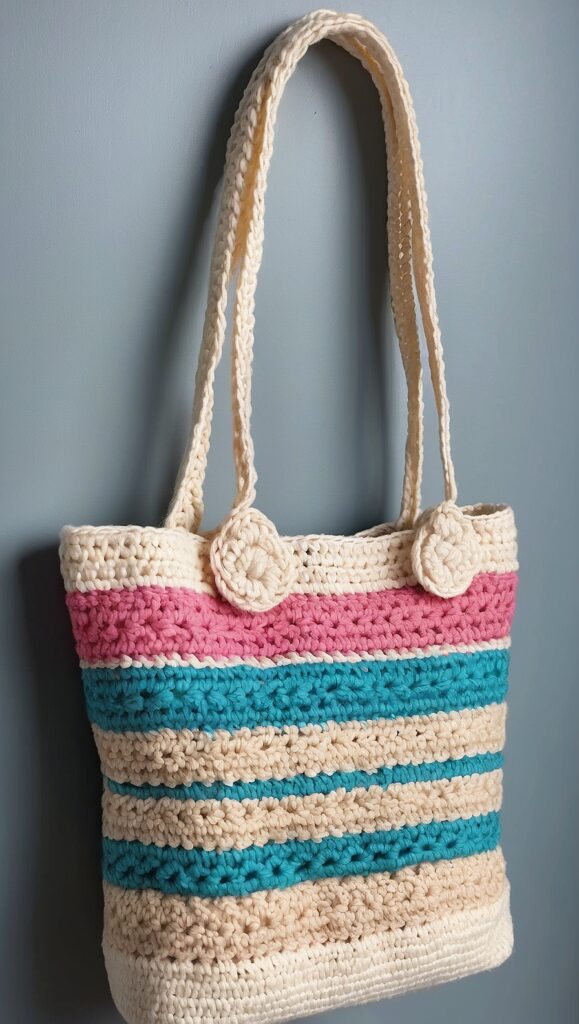
A crochet tote bag is both practical and fashionable.
Basic Pattern
- Chain 40 stitches.
- Single crochet in rows to create a large rectangle.
- Fold the rectangle in half.
- Sew the sides.
- Add straps by chaining 60 stitches and attaching them to the bag.
Cotton yarn works best for durability.
3. Crochet Fingerless Gloves
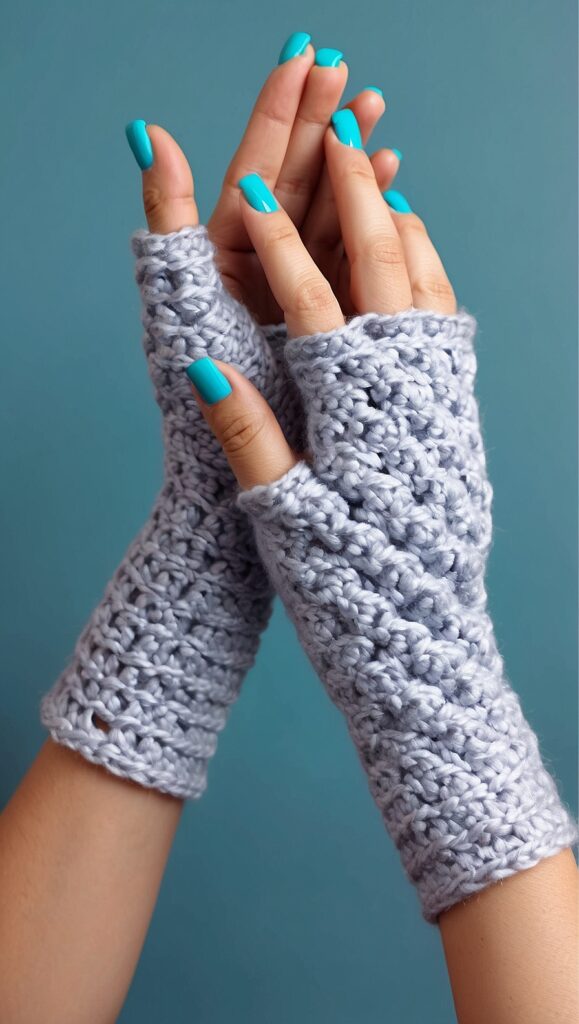
Fingerless gloves are perfect for beginners wanting to try wearable items.
Simple Method
- Chain enough stitches to wrap around your wrist.
- Join to form a ring.
- Crochet rounds of half double crochet.
- Leave a small opening for the thumb.
These gloves are comfortable and stylish during cooler weather.
4. Crochet Shawl
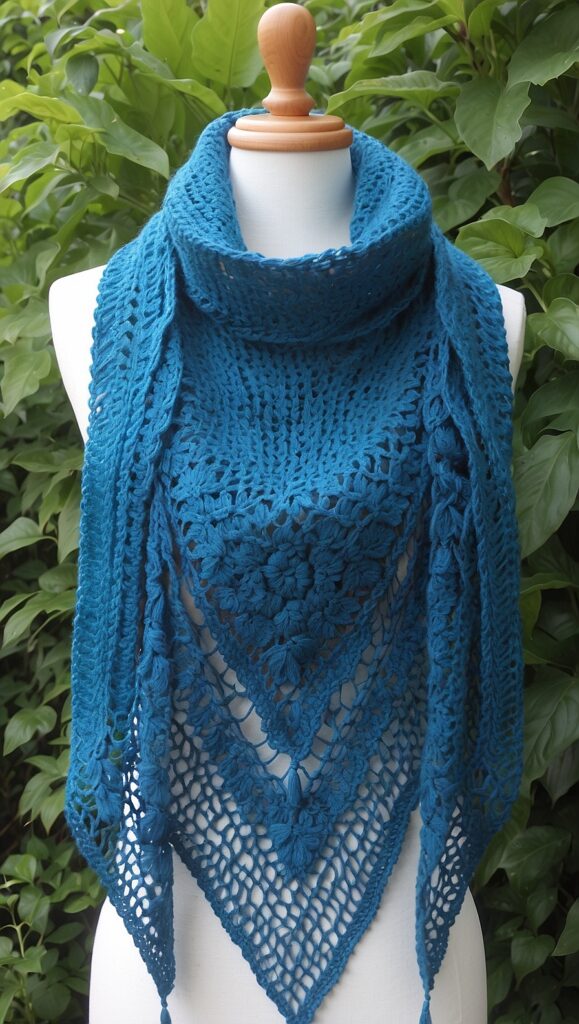
Shawls are elegant accessories that can be surprisingly simple.
Basic Triangle Shawl
- Start with a small chain of 4 stitches.
- Increase stitches in the center of each row.
- Use double crochet stitches.
- Continue increasing until the shawl reaches your desired size.
You can add tassels or decorative edging.
Tips for Crocheting Clothing Successfully
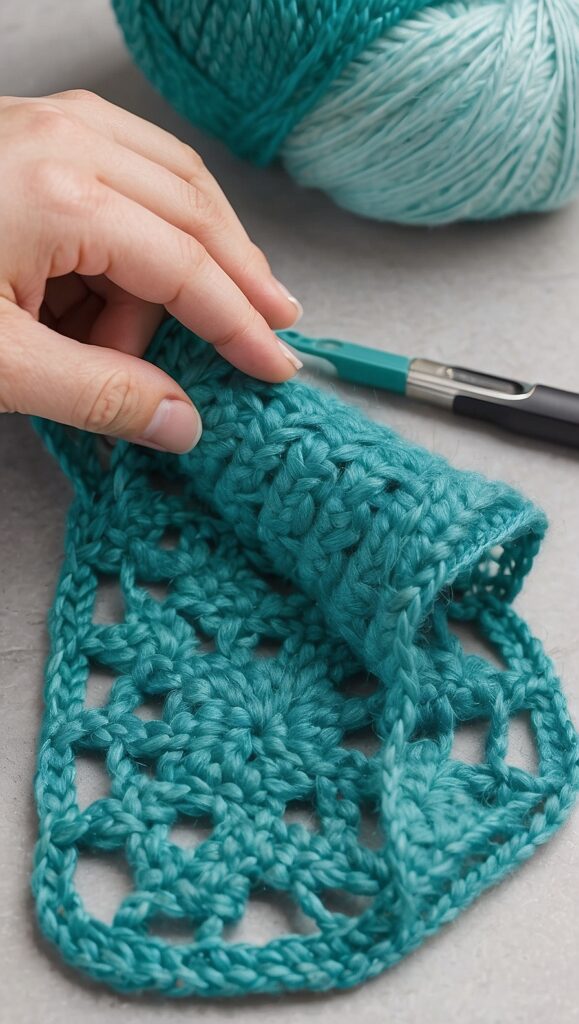
Choose the Right Yarn
Different yarns affect the comfort and durability of clothing. Cotton is breathable, wool is warm, and acrylic is affordable and easy to care for.
Check Your Gauge
Gauge determines how big or small your finished piece will be. Crocheting a small test swatch before starting a project helps ensure the correct sizing.
Use Soft Yarn for Wearables
Scratchy yarn may feel uncomfortable when worn against the skin, so choose soft fibers for garments.
Block Your Finished Pieces
Blocking involves lightly wetting and shaping your crochet piece so the stitches settle evenly. This step can improve the appearance of garments.
Follow Simple Patterns First
Begin with scarves, hats, and small accessories before moving to sweaters or dresses.
Expanding Your Crochet Skills
Once you feel comfortable with beginner projects, you can explore more advanced techniques like:
- Granny squares for blankets and cardigans
- Lace crochet for delicate shawls
- Tunisian crochet for thick fabrics
- Colorwork for patterned garments
These techniques open the door to more detailed clothing designs.
You can also experiment with combining crochet with sewing or embroidery to create unique fashion pieces.
Benefits of Crocheting Your Own Clothing
Crocheting your own clothing offers many advantages. Handmade garments are often more durable and meaningful than store-bought items. They also allow you to customize size, color, and design exactly to your preferences.
Another benefit is sustainability. By crocheting with quality yarn and caring for your items properly, you can reduce reliance on fast fashion.
Crochet is also relaxing and therapeutic. Many people find the repetitive motion calming and enjoyable, making it a wonderful hobby for reducing stress.
Conclusion
Crocheting clothing and accessories is both achievable and rewarding, even for beginners. With just a few basic stitches and simple patterns, you can create beautiful handmade items like scarves, hats, bags, and tops. Starting with easy projects helps build confidence while teaching important techniques such as shaping, joining pieces, and working in the round.
As your skills grow, you can expand into more advanced garments like sweaters, cardigans, and dresses. The possibilities are nearly endless, and every finished piece becomes a unique reflection of your creativity.
Whether you want to make stylish accessories, cozy winter wear, or lightweight summer clothing, crochet provides a flexible and enjoyable way to craft something truly special. With patience and practice, you’ll soon be able to design your own patterns and build a handmade wardrobe that is both fashionable and personal.