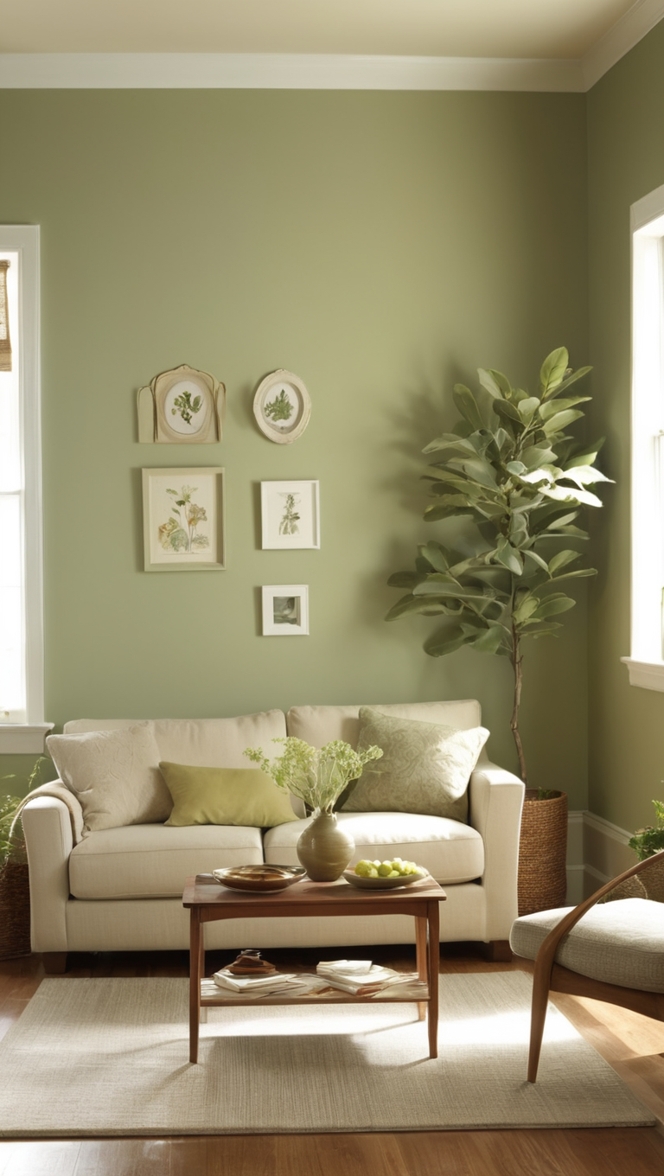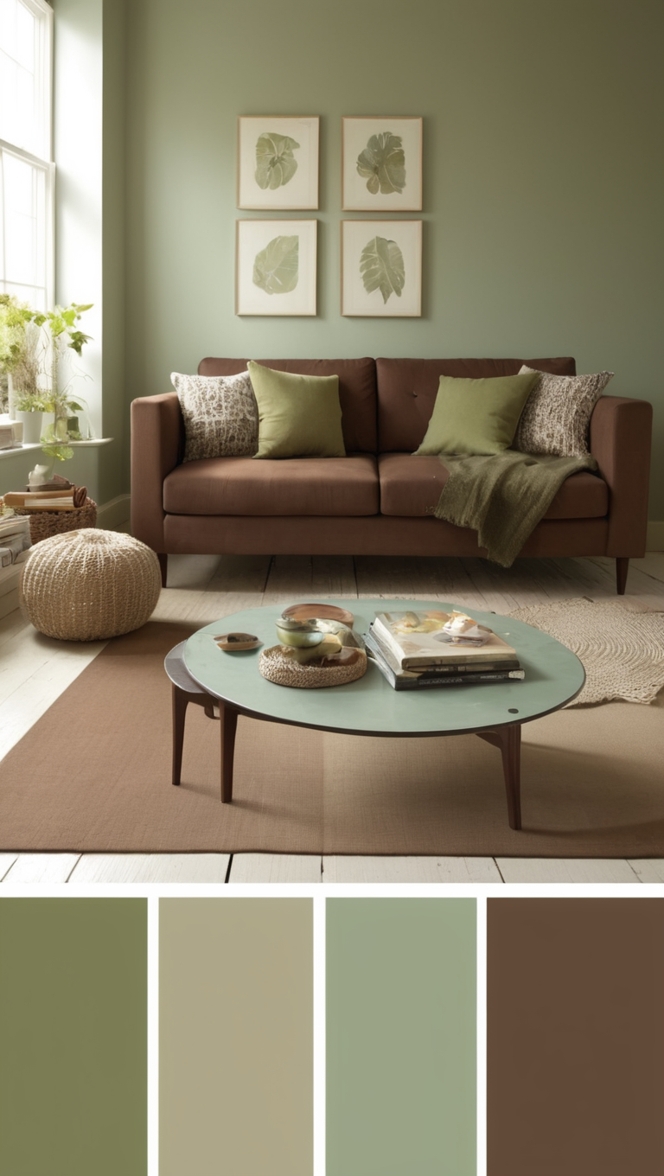
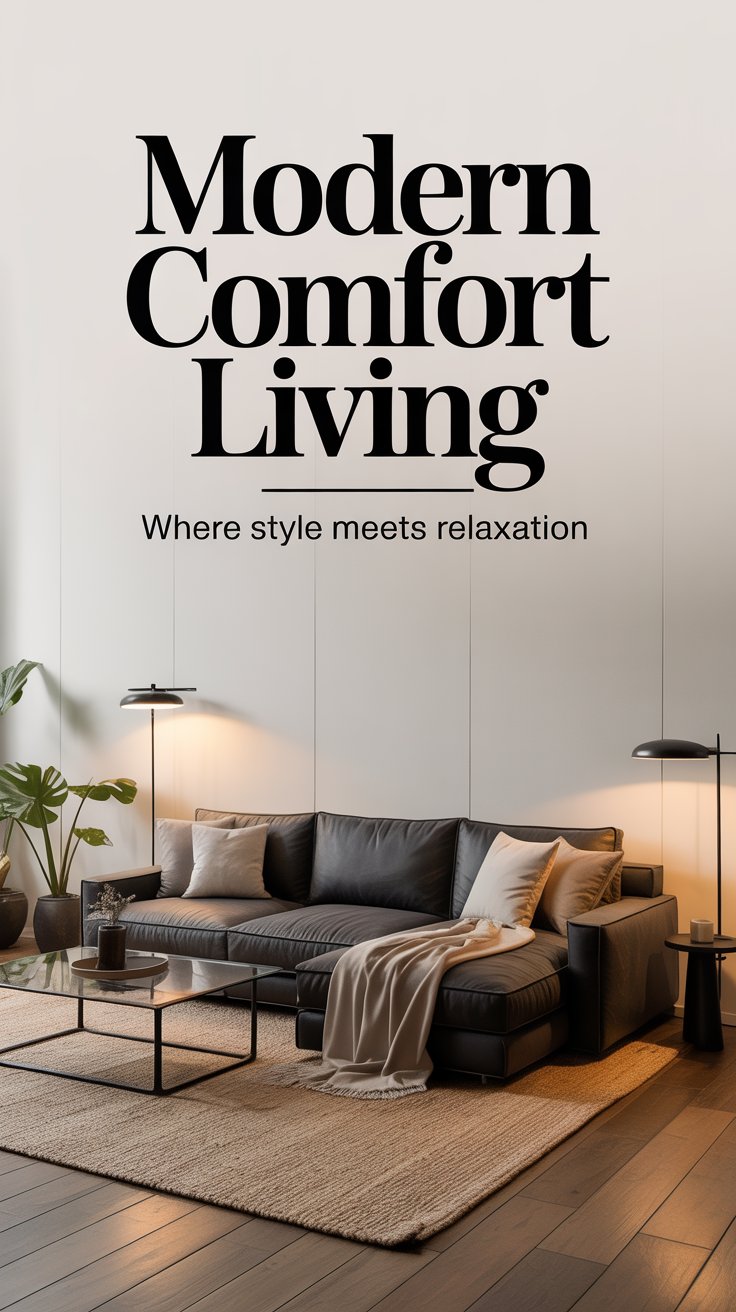
Blending modern design with comfort in your living room is about striking the perfect balance between clean aesthetics and inviting warmth. Modern interiors are often associated with sleek lines, minimal clutter, and neutral palettes. However, without thoughtful layering, they can sometimes feel cold or impersonal. The key is to combine contemporary structure with cozy elements that make the space feel lived-in and welcoming.
Below is a comprehensive guide to help you design a living room that feels stylish, current, and deeply comfortable.
1. Start with a Neutral Foundation
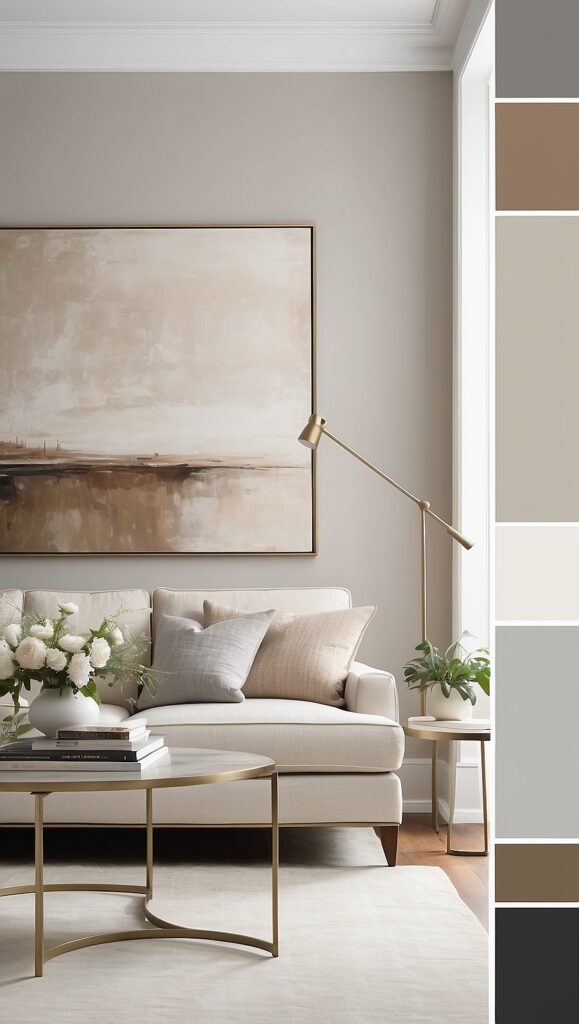
Modern design thrives on simplicity. Begin with a neutral base—think warm whites, soft beiges, light grays, or muted earth tones. Neutral walls create a calm backdrop and allow furniture and décor to stand out without overwhelming the room.
To keep neutrals from feeling sterile:
- Choose warm undertones instead of cool ones.
- Mix shades (cream with taupe, light gray with warm greige).
- Incorporate subtle texture through paint finishes or wall treatments.
A neutral base gives you flexibility to introduce both bold accents and soft textiles later.
2. Invest in Comfortable, Structured Furniture
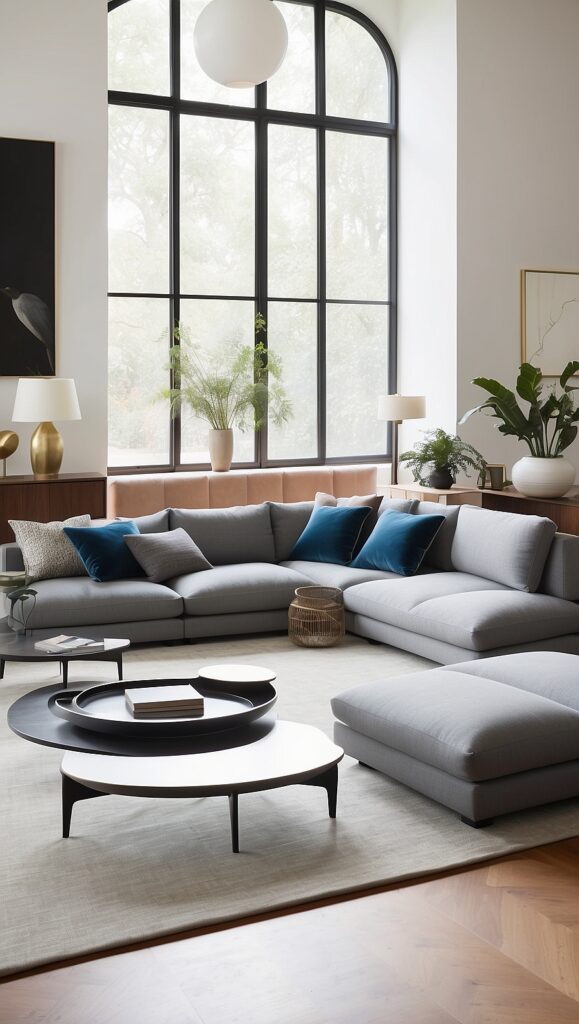
Modern furniture typically features clean lines and streamlined silhouettes. To maintain comfort:
- Select sofas with deep seating and plush cushions.
- Opt for upholstered pieces in soft fabrics like boucle, velvet, or performance linen.
- Balance sharp-edged coffee tables with rounded armchairs or curved sectionals.
Look for furniture that merges form and function—minimal profiles with high comfort ratings. For example, a low-profile sectional can still have oversized cushions for lounging.
Tip: Always test seating depth and cushion firmness. A visually modern sofa should still feel inviting enough for movie nights and gatherings.
3. Layer Textures for Warmth
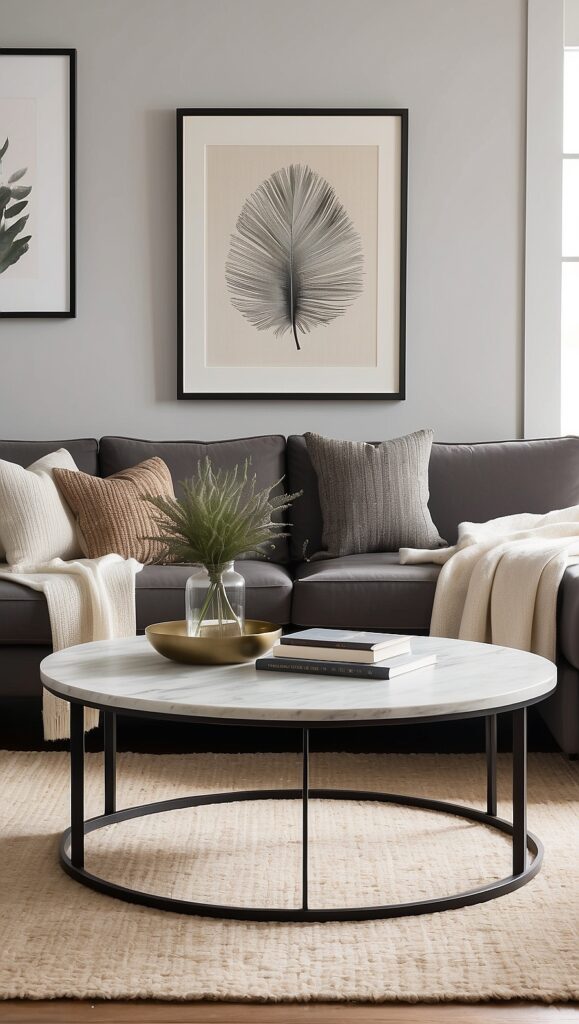
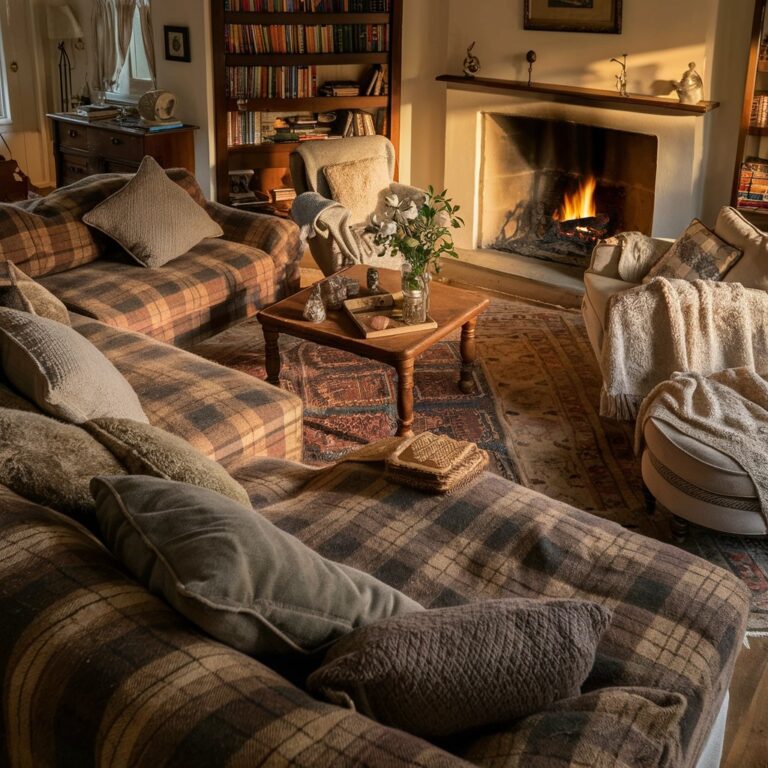
Texture is the secret ingredient in blending modern design with comfort. While modern spaces favor simplicity, layering different materials prevents the room from feeling flat.
Consider mixing:
- A soft area rug (wool or high-pile)
- Linen or velvet throw pillows
- Knit or faux-fur blankets
- Natural wood furniture
- Matte metal finishes
For example, pairing a sleek metal coffee table with a chunky knit throw on a linen sofa instantly adds warmth without compromising the modern look.
Texture introduces depth, making the space visually rich yet physically cozy.
4. Balance Clean Lines with Organic Shapes
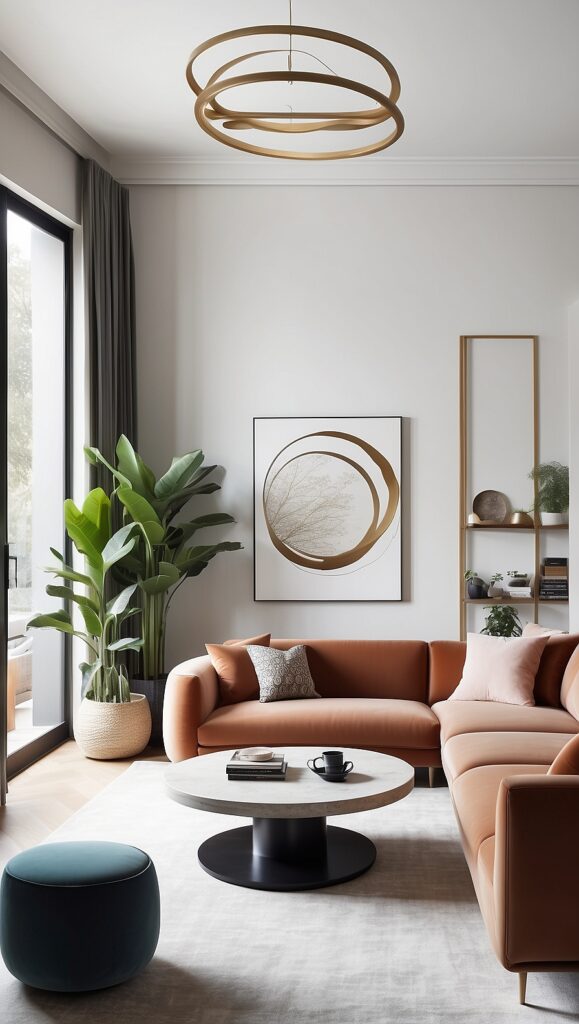
Modern design is known for straight lines and geometric precision. However, too many hard edges can make a space feel rigid.
Soften the space with:
- Rounded coffee tables
- Curved accent chairs
- Oval mirrors
- Sculptural lamps
- Indoor plants
Organic shapes bring a sense of ease and movement. A curved sofa or circular rug can counterbalance angular shelving or rectangular windows.
This interplay between structure and softness creates harmony.
5. Use Lighting to Create Ambiance
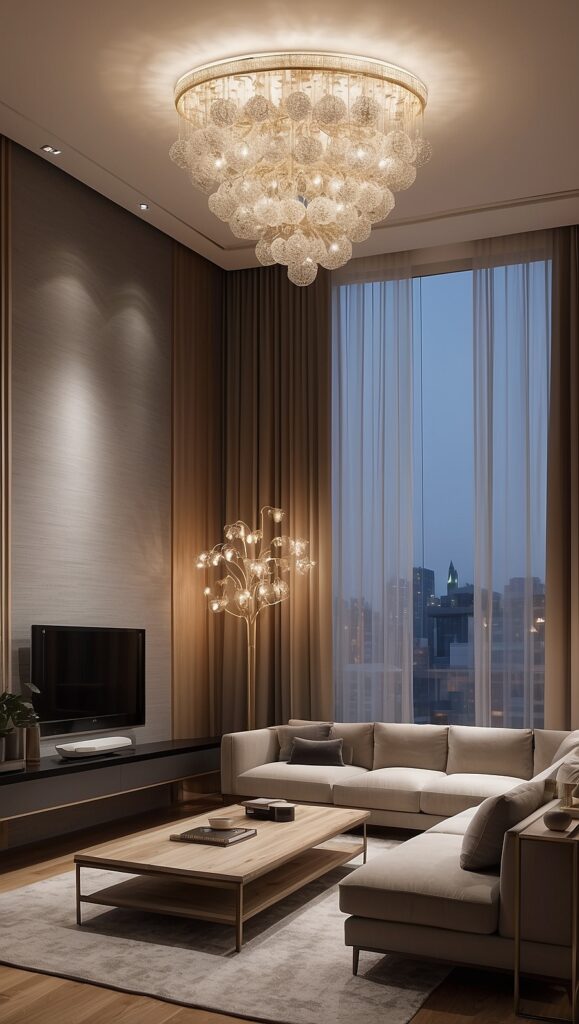
Lighting plays a huge role in how comfortable a room feels. Modern design often features statement lighting fixtures, but layering light sources enhances coziness.
Incorporate:
- Overhead lighting (modern chandelier or pendant)
- Floor lamps with warm bulbs
- Table lamps for soft glow
- Wall sconces for subtle accent lighting
Use warm white bulbs (around 2700K–3000K) instead of cool daylight tones. Warm lighting makes neutral colors feel inviting and flattering.
Dimmer switches are also a great addition, allowing you to shift from bright daytime lighting to a relaxed evening ambiance.
6. Incorporate Personal Touches
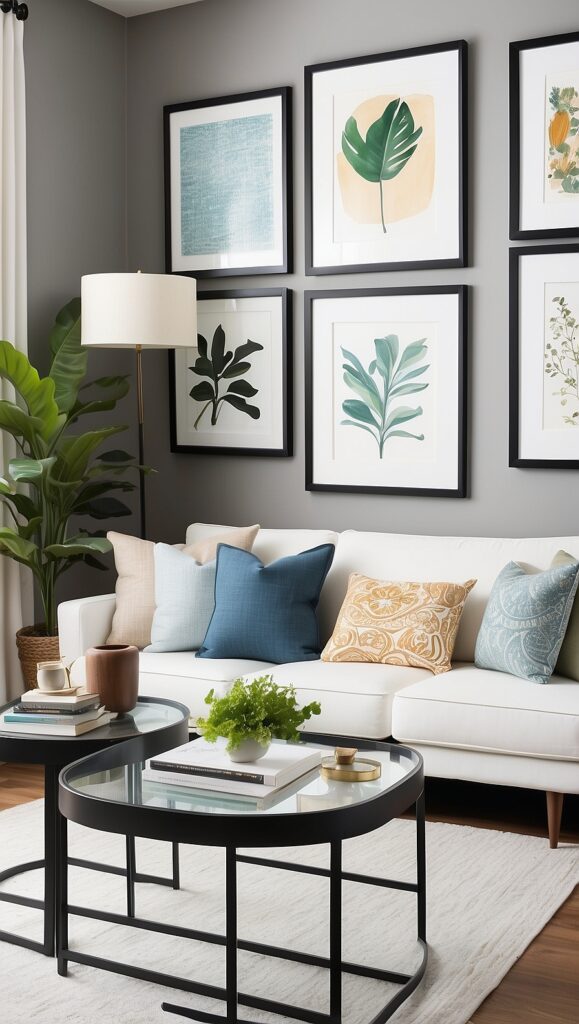
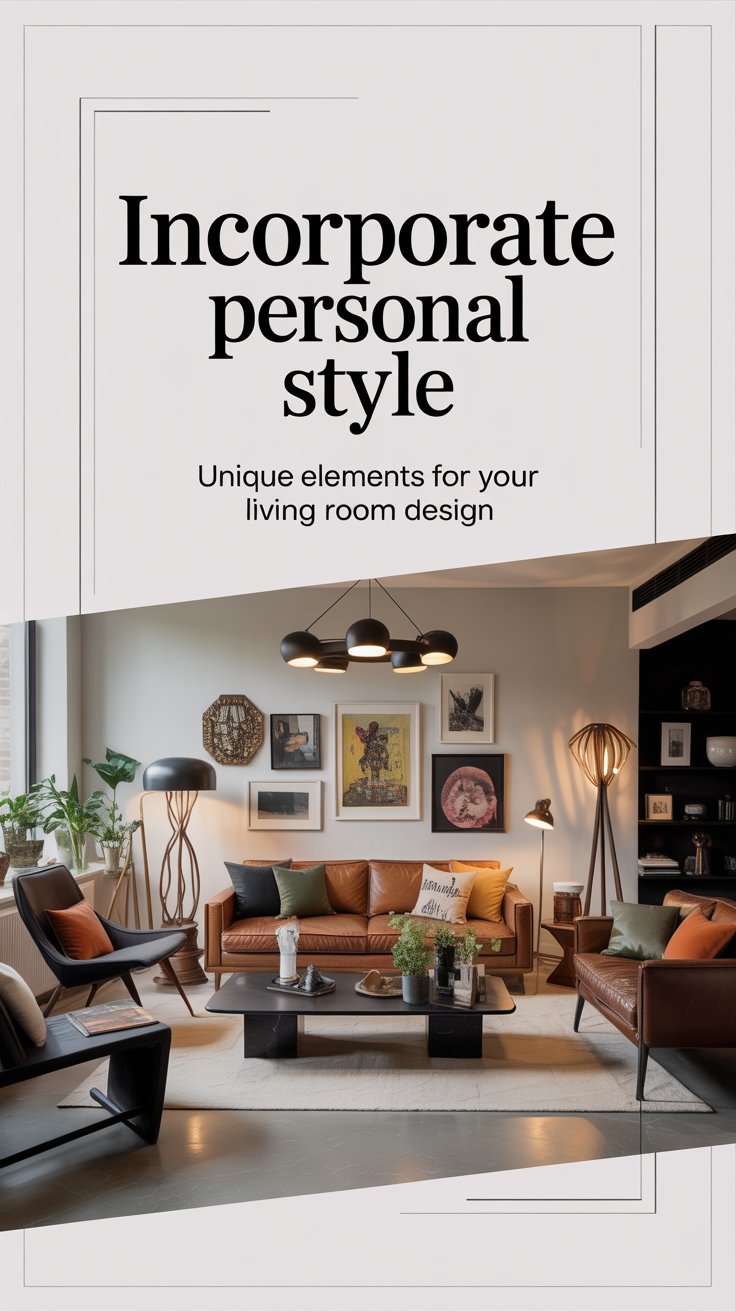
A purely modern space can sometimes feel like a showroom. Personal elements make it feel like home.
Add:
- Framed artwork you love
- Family photos in minimalist frames
- Travel souvenirs styled intentionally
- Coffee table books reflecting your interests
The key is to display these items thoughtfully. Avoid clutter by grouping pieces in curated arrangements rather than scattering them randomly.
Personalization enhances comfort because it reflects your identity and memories.
7. Embrace a Functional Layout
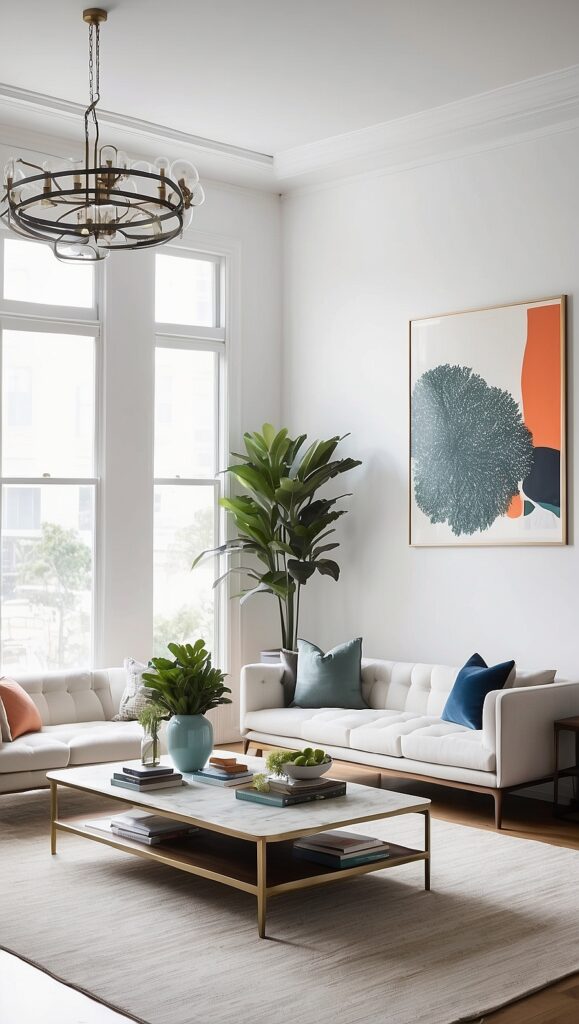
Comfort isn’t just about soft fabrics—it’s about how the room functions.
Consider:
- Clear pathways for movement
- Furniture arranged to encourage conversation
- A coffee table within easy reach of seating
- Side tables for convenience
In modern design, less is more. Avoid overcrowding the space with unnecessary pieces. Every item should serve a purpose, whether functional or aesthetic.
A well-planned layout makes the room feel open, breathable, and easy to use daily.
8. Add Natural Elements
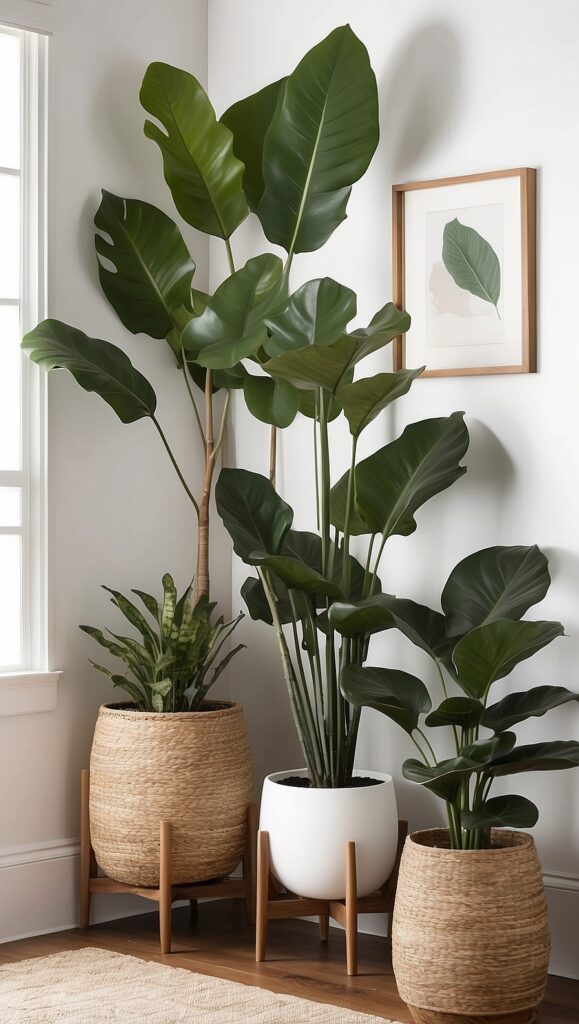
Nature instantly softens modern interiors. Bringing in organic materials adds warmth and life.
Try incorporating:
- Wooden accents (oak, walnut, or teak)
- Woven baskets
- Stone décor pieces
- Indoor plants like fiddle leaf figs or snake plants
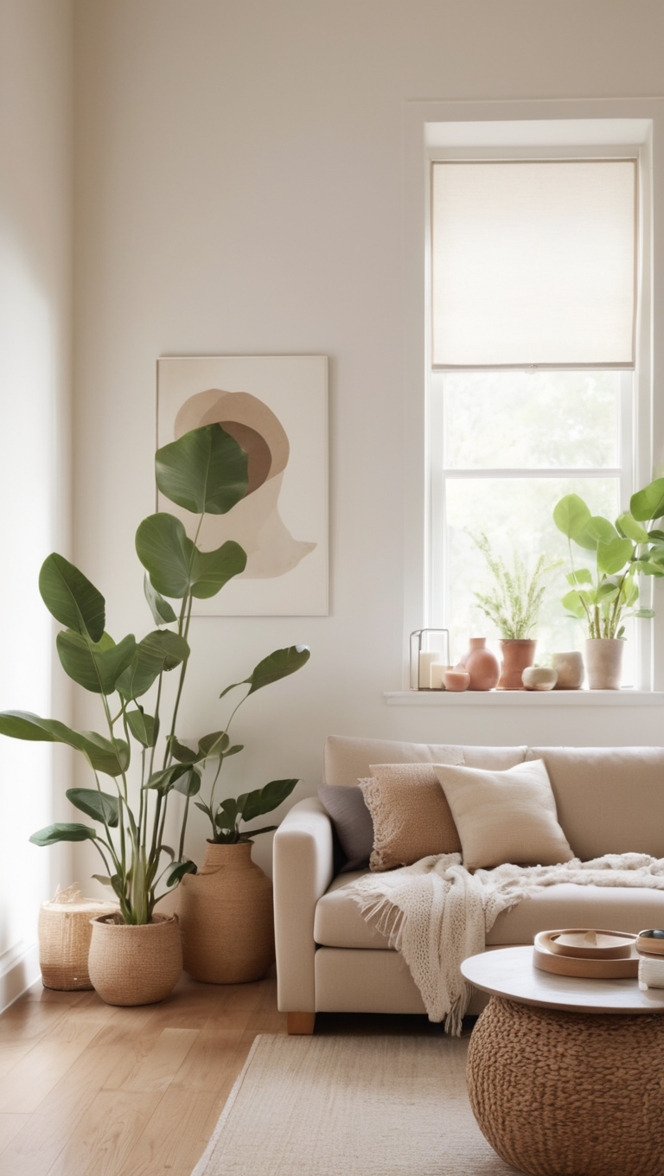
Plants not only enhance aesthetics but also create a calming atmosphere. A single large plant in a corner can transform the mood of a minimalist space.
Natural materials balance modern finishes like glass, chrome, or lacquer.
9. Mix Modern with Transitional Pieces
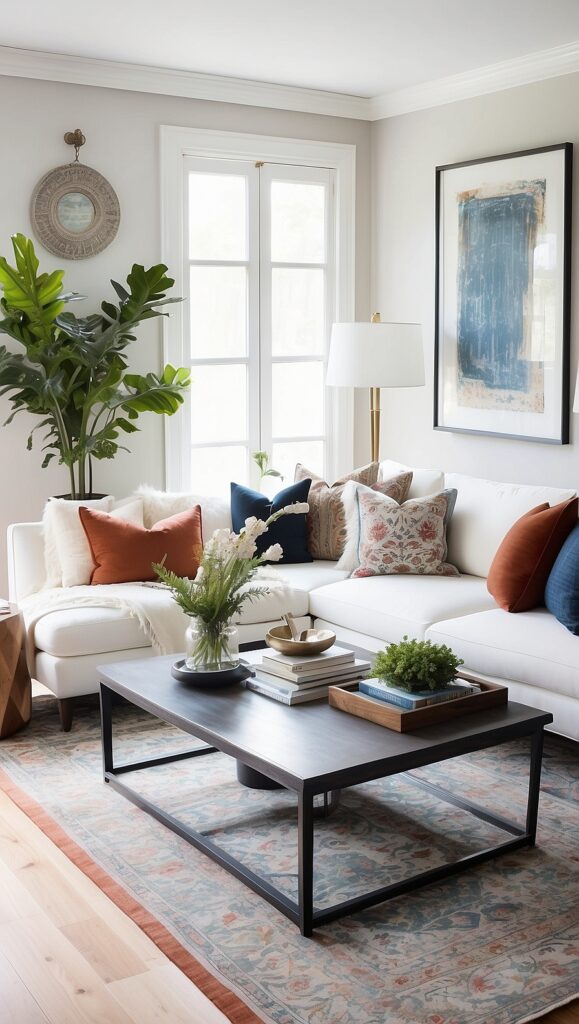
If your space feels too stark, blend modern elements with transitional or slightly traditional pieces.
For example:
- A contemporary sofa paired with a classic patterned rug.
- A modern glass coffee table layered over a vintage-inspired rug.
- Sleek shelving styled with antique ceramics.
This mix prevents the room from feeling overly rigid or trendy. Instead, it becomes timeless and approachable.
The goal isn’t to abandon modern design, but to soften it with subtle contrast.
10. Choose a Cohesive Color Palette
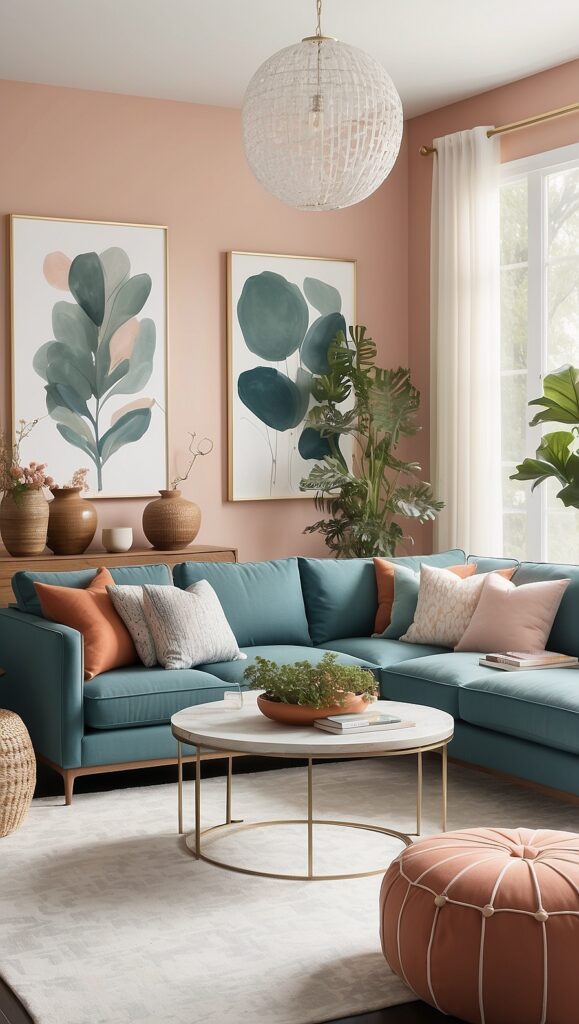
Modern living rooms often stick to a limited color scheme. To maintain comfort:
- Choose one or two accent colors.
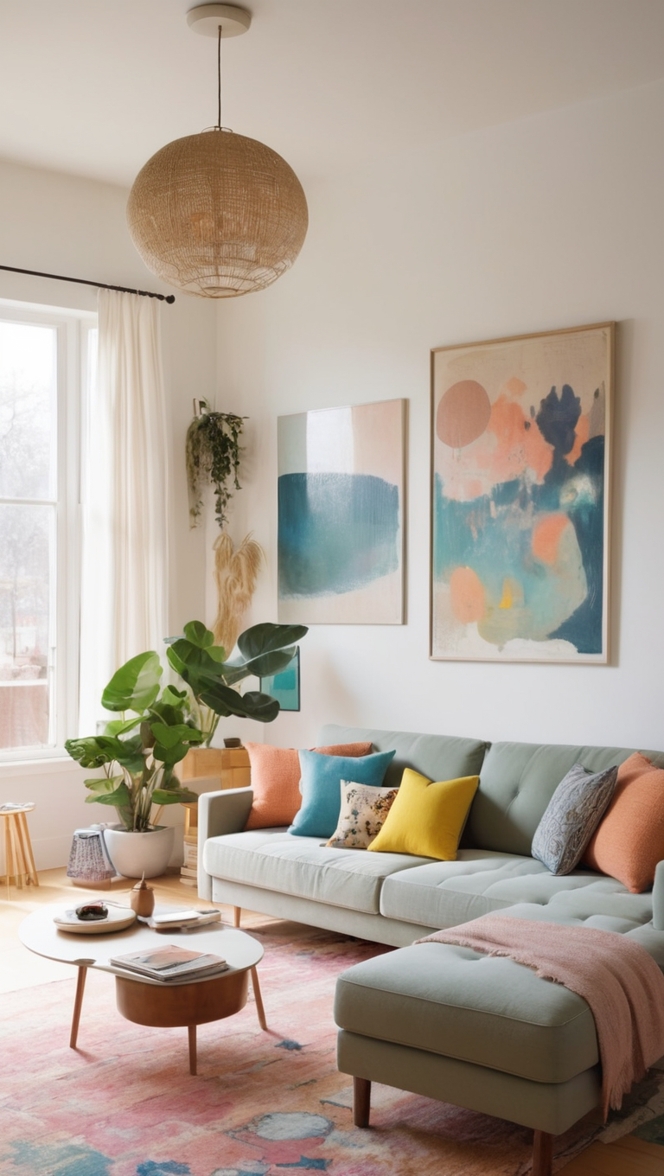
- Repeat those colors in pillows, art, and accessories.
- Avoid overly bold contrasts that can feel jarring.
Soft blues, muted greens, warm terracotta, or dusty blush tones work beautifully in modern spaces while adding warmth.
Consistency in color creates visual harmony, which subconsciously feels more relaxing.
11. Incorporate Soft Window Treatments
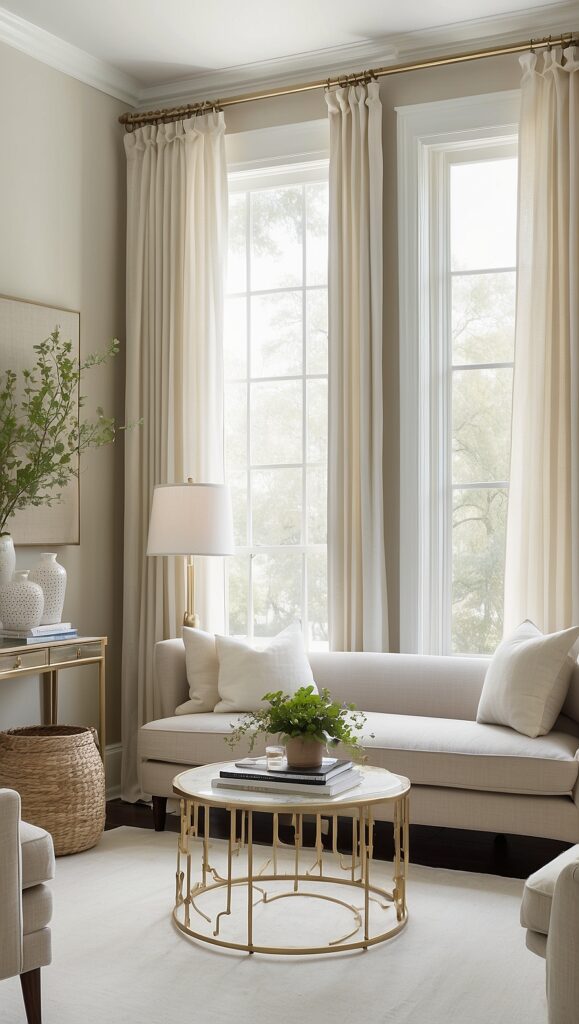
Bare windows may look sleek, but they can make a space feel cold.
Add softness with:
- Floor-length linen curtains
- Sheer panels layered with heavier drapes
- Roman shades in textured fabrics
Curtains not only soften hard architectural lines but also improve acoustics and comfort.
Choose neutral fabrics to maintain a modern aesthetic while enhancing warmth.
12. Prioritize Comfort Details
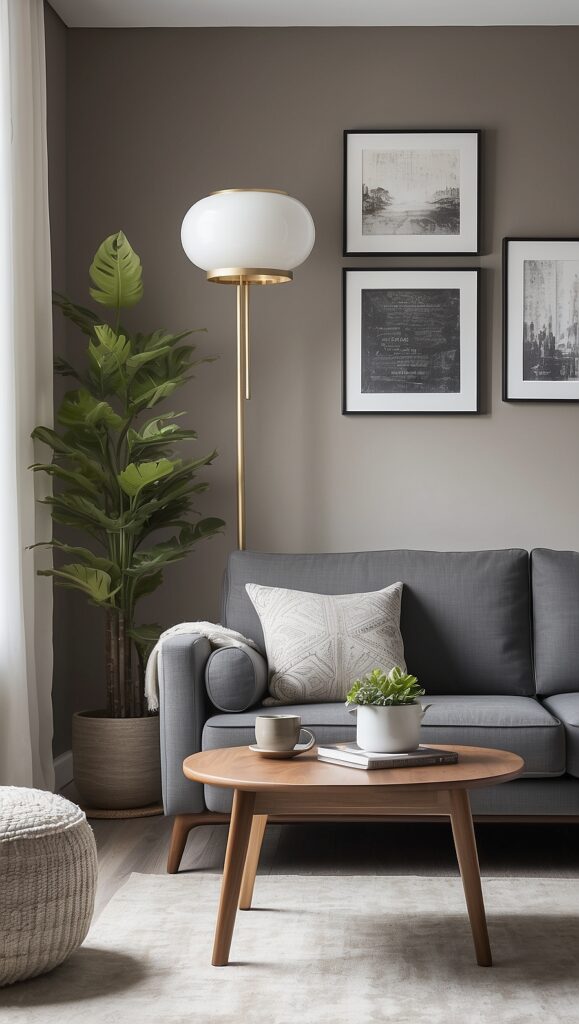
Small details significantly impact how inviting your living room feels.
Consider:
- Oversized cushions
- Poufs or ottomans for extra seating
- Soft-close storage solutions
- Cozy reading corners with a chair and lamp
A reading nook with a modern armchair, side table, and floor lamp blends style with practicality.
Comfort is in the experience—how the room feels when you sit, relax, and spend time there.
13. Avoid Over-Minimalism
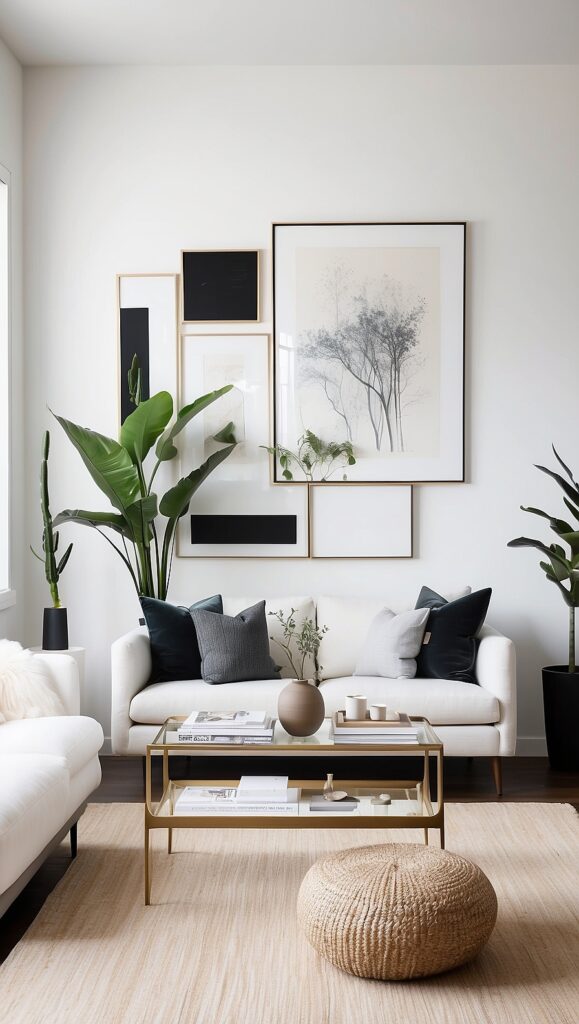
One of the biggest mistakes in modern design is stripping away too much.
While decluttering is important, an overly sparse room can feel impersonal. Instead of eliminating décor, focus on intentional styling:
- Group items in odd numbers.
- Use trays to organize small objects.
- Layer décor at varying heights.
Minimalism should feel curated, not empty.
14. Create Focal Points
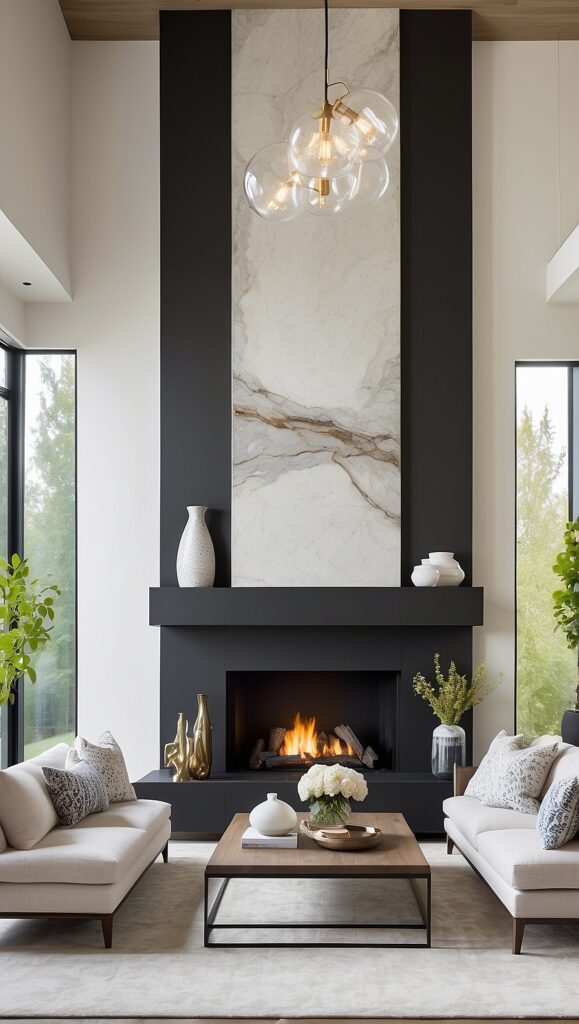
Modern living rooms benefit from a clear focal point. This could be:
- A statement sofa
- A fireplace wall
- A large piece of artwork
- A bold light fixture
Building the design around one central feature keeps the room cohesive and visually calm.
When the eye knows where to land, the space feels organized and comfortable.
Final Thoughts
Blending modern design with comfort is about balance. Modern interiors provide structure through clean lines, neutral palettes, and simplicity. Comfort comes from texture, warmth, personal touches, and thoughtful layout.
Focus on these principles:
- Neutral yet warm foundations
- Structured but cozy furniture
- Layered textures
- Soft lighting
- Personal elements
- Functional layouts
When done correctly, your living room won’t just look beautiful—it will feel like a sanctuary.
Modern design doesn’t have to mean cold or sterile. With intentional layering and thoughtful choices, you can create a living room that is sleek, stylish, and irresistibly comfortable—a space where contemporary elegance meets everyday relaxation.