1. What Is Acrylic Latex Paint?
Acrylic latex paint is a water-based paint that uses acrylic polymers as its binder. Because of this, it combines some of the best qualities of both acrylics and latex paints:
- The latex base makes it easy to clean up with water.
- The acrylic resin helps make it durable, flexible, and resistant to cracks and fading.
Most modern interior paints you find at hardware stores (Sherwin-Williams, Behr, Benjamin Moore, etc.) are acrylic latex formulas, ranging from budget to premium lines.
2. Price Comparison: Acrylic Latex vs. Other Interior Paints
When comparing prices, it’s important to look at both initial cost per gallon and long-term value (how long the paint lasts before repainting).
| Paint Type | Typical Price Per Gallon (USD) | Notes on Cost |
|---|---|---|
| Acrylic Latex (Standard) | $25–$45 | Most common budget/wall paint |
| Premium Acrylic Latex | $45–$80+ | Higher pigment load, better durability |
| Vinyl Acrylic Latex | $20–$40 | Budget-oriented, less durable than pure acrylic |
| Alkyd (Oil-Based) | $35–$65 | More expensive cleanup & longer dry time |
| Mineral/Breathable Paints | $35–$70 | Specialized use, variable performance |
| Chalk Paint | $35–$95 | Often specialty/finish effect, needs sealer |
Price Insights
- Standard acrylic latex is generally mid-range, cheaper than quality oil-based paints but more expensive than the lowest-end vinyl acrylic latex.
- Premium acrylic latex approaches the cost of some oil-based paints but pays off with easier cleanup and better odor/low VOC options.
- Vinyl acrylic latex paints are the cheapest but also have the most performance trade-offs.
3. Performance Comparison
Here’s how acrylic latex stacks up against other paints in key performance areas:
A. Durability and Longevity
Acrylic Latex
- Excellent durability, especially in premium versions.
- Resists cracking, peeling, yellowing, and fading.
- Better adhesion to many surfaces compared to vinyl latex.
Vinyl Acrylic Latex
- Less durable over time.
- More prone to chalking and fading, especially in high-traffic areas.
Alkyd (Oil-based)
- Very durable and hard finish.
- Excellent for trim and high-contact surfaces.
- Can yellow over time (especially in low-light areas).
Mineral/Breathable Paints
- Good for moisture-rich environments (bathrooms), but not as abrasion-resistant as acrylic latex.
- Not ideal for high-traffic walls.
👉 Verdict: Acrylic latex (especially higher-end formulas) often outlasts vinyl and competes strongly with alkyd, without the downsides of oil.
B. Ease of Application
Acrylic Latex
- Easy to roll or brush.
- Smooth leveling (less brush marks).
- Quick dry times — often ready for a second coat within hours.
Vinyl Acrylic Latex
- Similar to acrylic but slightly less smooth in finish.
- Often raises more nap in cheap rollers.
Alkyd
- Longer dry time — 6–24+ hours.
- Requires solvents (mineral spirits) for cleanup.
- Users often find it harder to work with.
Mineral Paints
- Variable thickness and application feel.
- Some are chalky (brush drag may occur).
- Often require sealing coats.
👉 Verdict: Acrylic latex is typically the easiest to apply, especially for DIY painters.
C. Drying Time
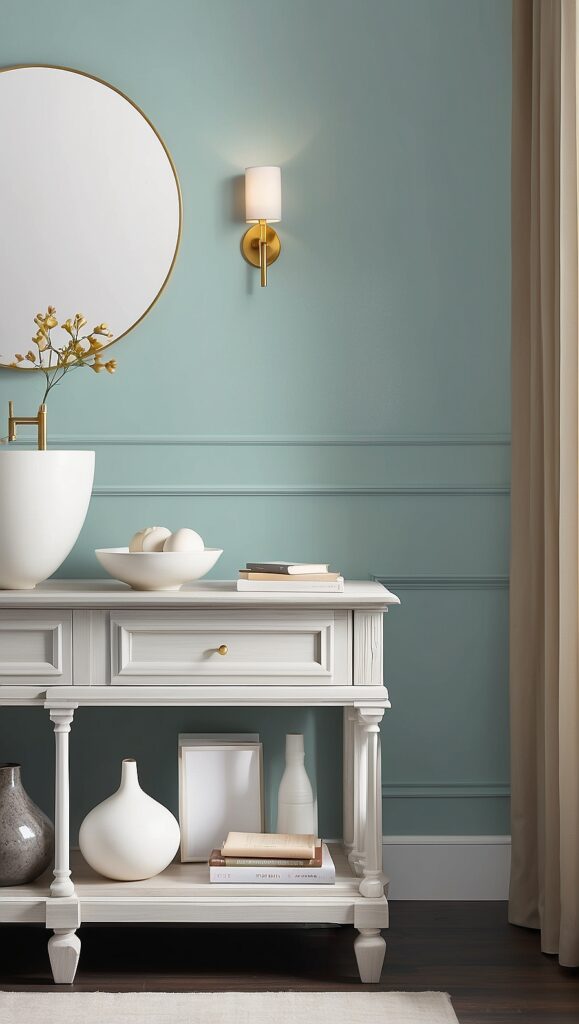
| Paint Type | Typical Dry Time (To Touch) | Recoat Time |
|---|---|---|
| Acrylic Latex | ~1–2 hours | 4–6 hours |
| Vinyl Acrylic | ~1–2 hours | 4–6 hours |
| Alkyd | ~6–8 hours | 24–48 hours |
| Mineral | Varies | 6–24+ hours |
👉 Faster dry time is a major advantage of acrylic latex, particularly if you’re painting multiple coats or large rooms.
D. Finish and Look
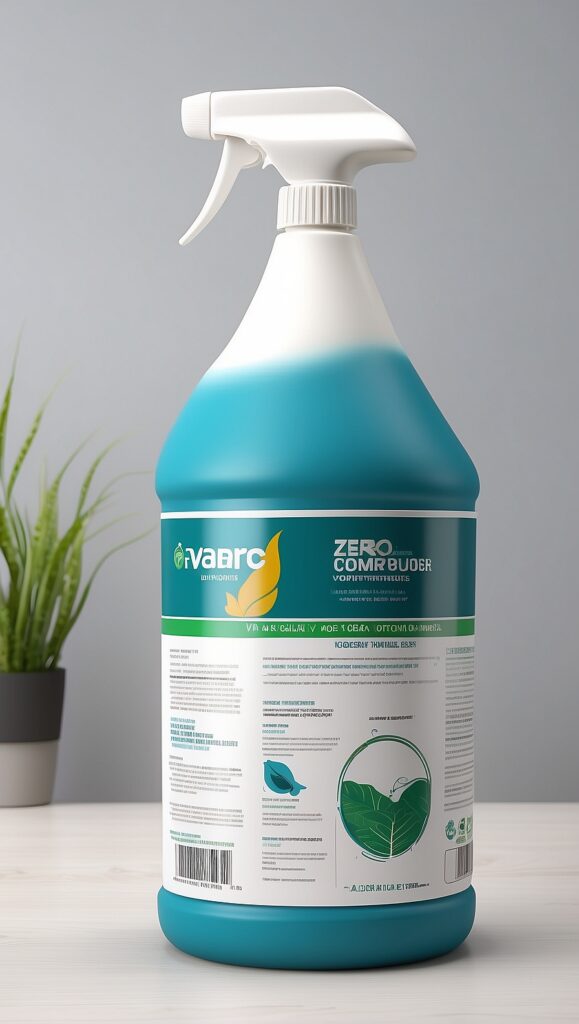
Acrylic Latex
- Holds color well; doesn’t yellow.
- Available in flat, eggshell, satin, semi-gloss, gloss.
- Cleaner, more consistent finish.
Vinyl Acrylic
- Colors fade faster.
- Limited sheen quality compared to pure acrylic.
Alkyd
- Very smooth, hard finish — great for trim.
- Slight ambering over time.
Mineral Paints
- Unique matte or chalky finishes — aesthetic, but not always durable.
👉 For walls and general interior surfaces, acrylic latex tends to offer the best balance of look and longevity.
E. Odor and VOCs (Volatile Organic Compounds)
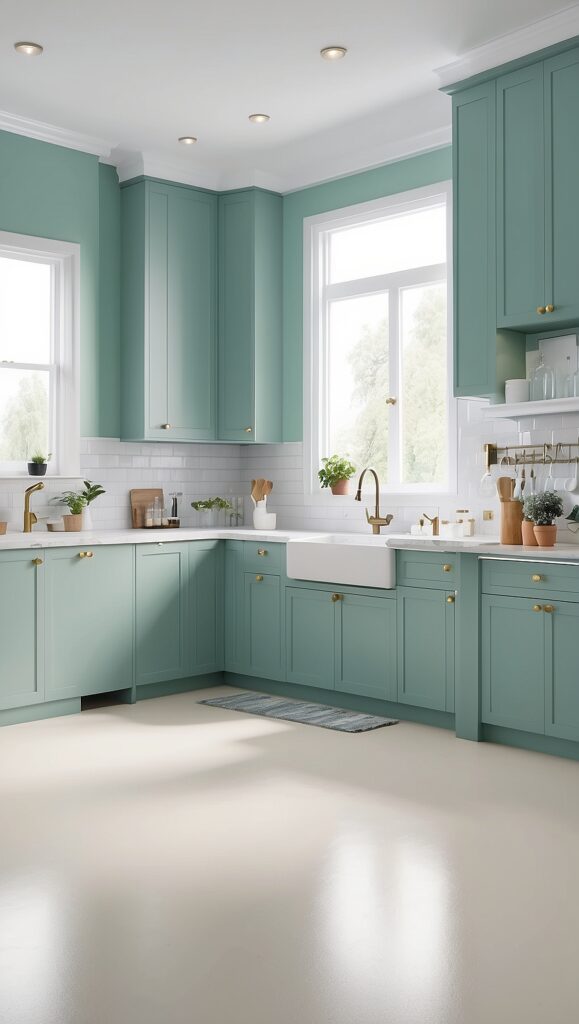
Acrylic Latex
- Low odor.
- Many low- or zero-VOC options available.
- Much easier on indoor air quality.
Vinyl Acrylic
- Similar to acrylic, sometimes slightly higher VOCs in cheapest versions.
Alkyd
- Strong solvent odor.
- Higher VOC levels.
- Requires good ventilation.
Mineral Paints
- Often low VOC, but may require sealers with VOCs.
👉 Zero/low-VOC acrylic latex is excellent for occupied homes, nurseries, and sensitive individuals.
F. Cleanability and Stain Resistance
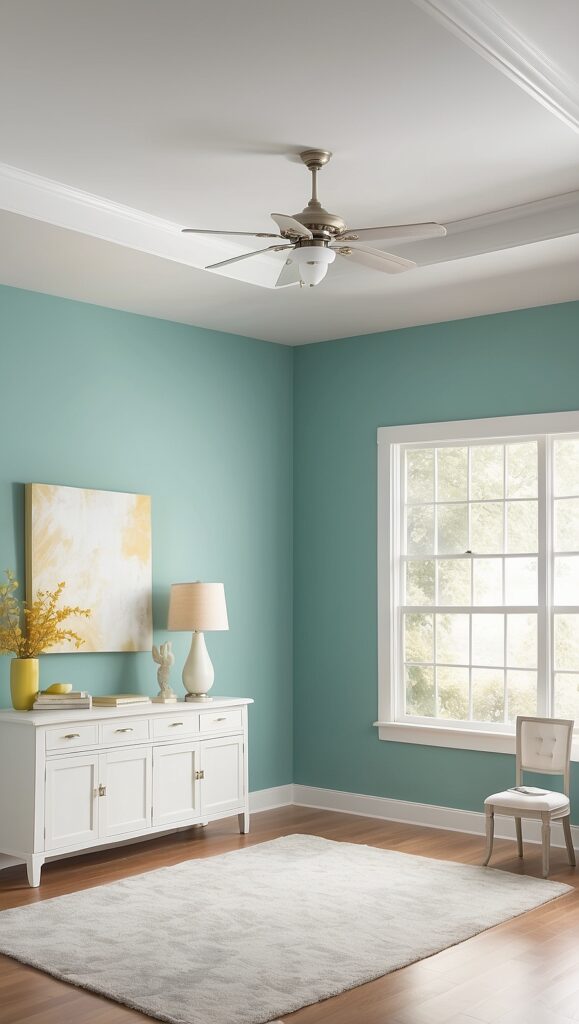
Acrylic Latex
- Excellent cleanability — washable.
- Satin and semi-gloss hold up well in kitchens, bathrooms, playrooms.
Vinyl Acrylic
- Washable but less stain-resistant than good acrylic paints.
Alkyd
- Very washable — hard surface.
- Great for trim and doors.
Mineral
- Most are not designed for heavy scrubbing.
👉 For everyday interior walls that need cleaning, acrylic latex wins most of the time.
4. Where Each Paint Works Best
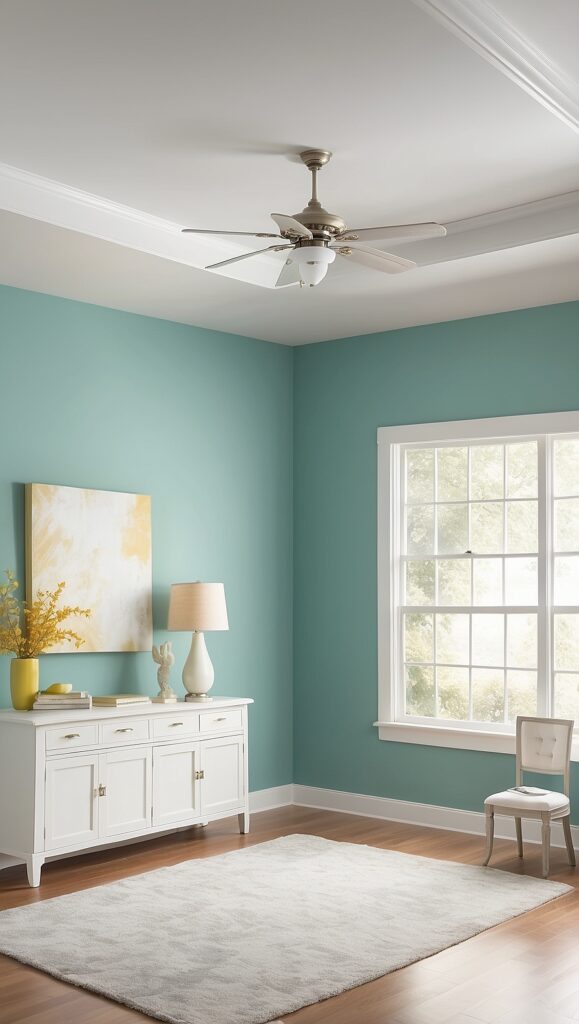
Here’s how interior paint types compare in common scenarios:
| Room/Use Case | Best Paint |
|---|---|
| Living Room Walls | Acrylic Latex (mid to premium) |
| Kitchen & Bathroom Walls | Acrylic Latex (satin/semi-gloss) |
| Trim & Doors | Alkyd or Premium Acrylic Latex (semi-gloss) |
| High Moisture Basements | Moisture-Resistant Acrylic Latex |
| Ceilings | Flat Acrylic Latex |
| Specialty Decorative Finishes | Mineral or Chalk Paint (sealed) |
5. Pros & Cons: Quick Summary
Acrylic Latex
✔ Easy water cleanup
✔ Quick drying
✔ Good durability
✔ Low odor/VOC options
✔ Excellent wall performance
❌ Premium lines can be pricey
❌ Not as rock-hard as oil in some trim applications
Vinyl Acrylic Latex
✔ Budget-friendly
✔ Water cleanup
❌ Less durable
❌ Colors fade faster
❌ Lower adhesion and flexibility
Alkyd (Oil-Based)
✔ Hard, durable finish
✔ Great on trim
❌ Long dry times
❌ Strong smell
❌ Requires solvents for cleanup
❌ Higher VOCs
Mineral/Chalk Paints
✔ Unique finishes
✔ Breathable
❌ Often needs sealing
❌ Not as durable on walls
❌ Appearance is trend-specific
6. Long-Term Cost Considerations
People often look at just price per gallon — but real value includes:
Repaint Frequency
- Lower-quality vinyl acrylic may require repainting sooner.
- Mid/upper tier acrylic latex often lasts 7–15 years before major repaint.
Touch-Ups & Maintenance
- Acrylic latex’s durability reduces touch-ups.
- Alkyd may chip/crack more frequently on walls (though not on trim).
Labor Costs (If Hiring)
- Quick dry + easy application of acrylic latex = faster jobs.
- Alkyd’s longer dry time can add to labor time.
👉 So even if premium acrylic latex costs more upfront, it often saves money over time.
7. Environmental & Health Factors
- Many acrylic latex paints are low/zero VOC, certified by organizations like GreenGuard or LEED.
- Alkyd/oil paints generally have higher VOCs and stronger odors.
- Better ventilation is easier and cheaper with acrylic latex because less solvent off-gassing happens.
8. Final Recommendations
Best All-Around Interior Paint
Premium Acrylic Latex — for most walls, it’s the best balance of price, performance, durability, and ease of use.
Budget Choice
Standard Acrylic Latex or Vinyl Acrylic Latex — suitable for low-traffic spaces or rental property, but expect shorter lifespan.
Trim & Cabinets
Alkyd or Premium Acrylic Latex (Semi-Gloss/Gloss) — oil-based still edge out in hardness, but high-end acrylic latex is close and easier to use.
Special Cases
Mineral/Chalk Paints — for decorative effects or breathable paint needs, but budget and performance trade-offs apply.
Conclusion
If you’re choosing paint for interior walls, acrylic latex is usually the best option for most homeowners because it:
- balances cost and performance
- offers easy cleanup
- delivers good durability
- is low odor and low VOC
- works in virtually every typical room
Compared with other interior paints:
| Criteria | Acrylic Latex | Vinyl Acrylic | Alkyd | Mineral/Chalk |
|---|---|---|---|---|
| Price | Mid | Low | Mid-High | Mid |
| Durability | High | Medium | Very High | Medium |
| Ease of Use | Excellent | Good | Worse | Varies |
| Cleanup | Water | Water | Solvent | Water |
| Odor | Low | Low | High | Low |
| Color Retention | High | Medium | Medium | Medium |
For most interior painting — whether kitchen, living room, bathroom, or hallway — acrylic latex represents the best long-term value when you consider both price and performance.
If you want, I can also help with specific brand comparisons (e.g., Sherwin-Williams vs. Behr vs. Benjamin Moore) or which sheen to choose for each room — just let me know!