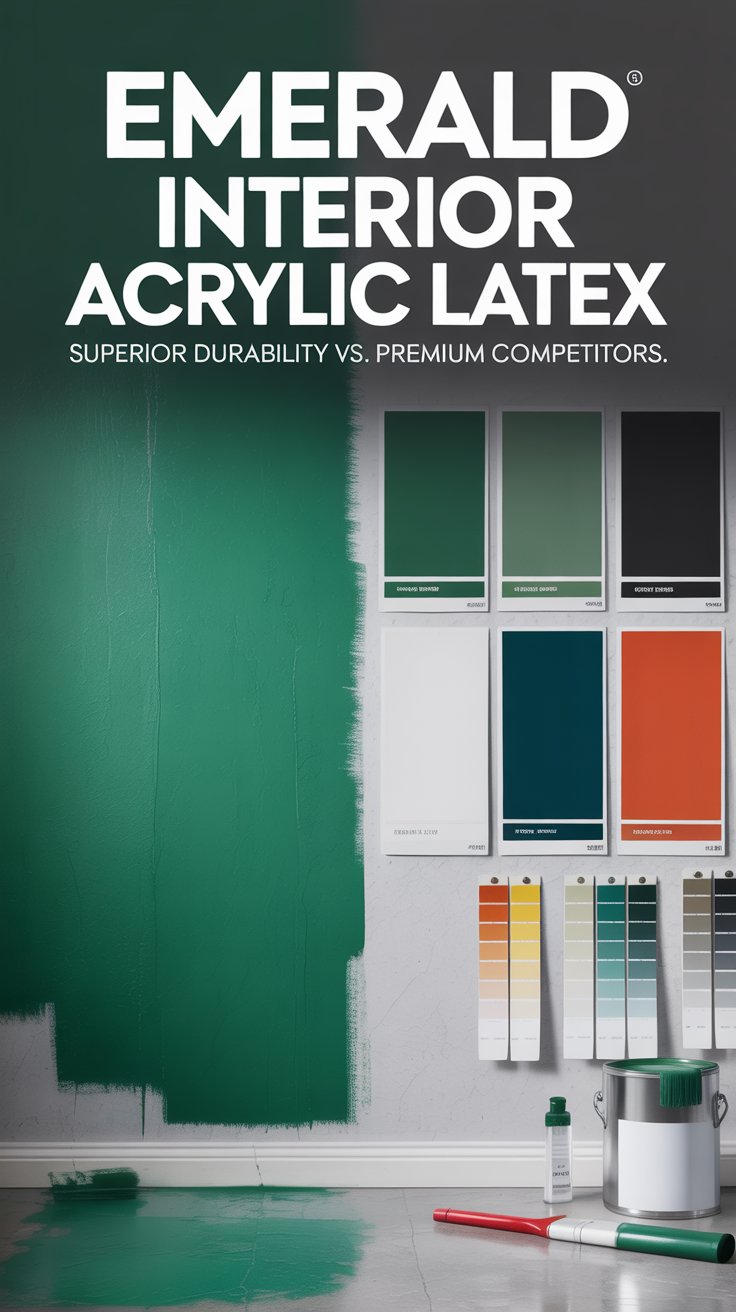
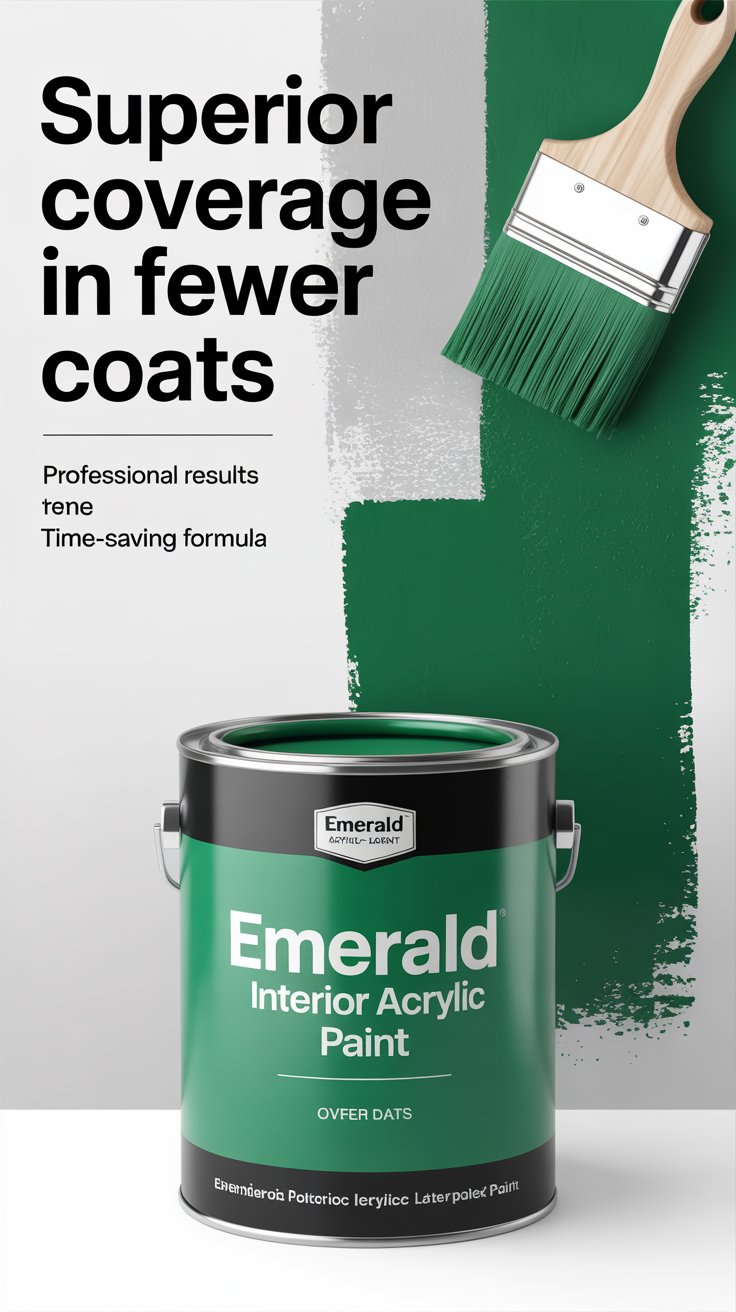
Absolutely—Emerald Interior Acrylic Latex Paint by Sherwin-Williams is widely praised for delivering excellent coverage in fewer coats, and that reputation is well earned. If you’re weighing whether it’s worth the premium price, coverage efficiency is one of Emerald’s strongest selling points. Let’s break it down in a clear, practical way so you can decide if it’s the right paint for your project.
Why Coverage Matters in Interior Paint
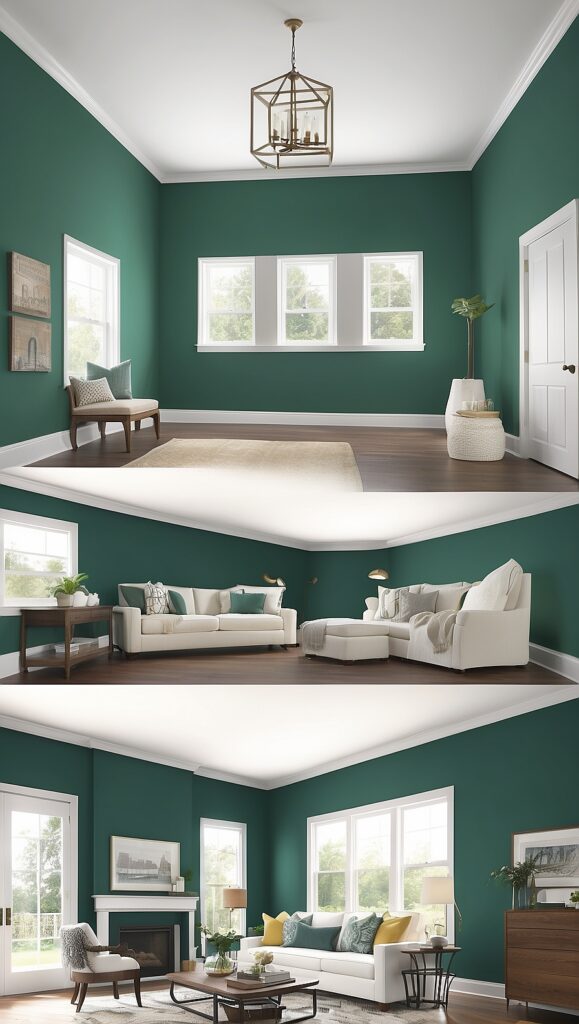
Coverage isn’t just about hiding the old color—it directly affects:
- Time spent painting
- Total paint used
- Overall project cost
- Final finish quality
A paint that covers well in fewer coats saves labor, reduces fatigue, and minimizes disruption in lived-in spaces. Emerald Interior was engineered specifically to excel in this area.
Emerald Interior Acrylic Latex Paint: Coverage Overview
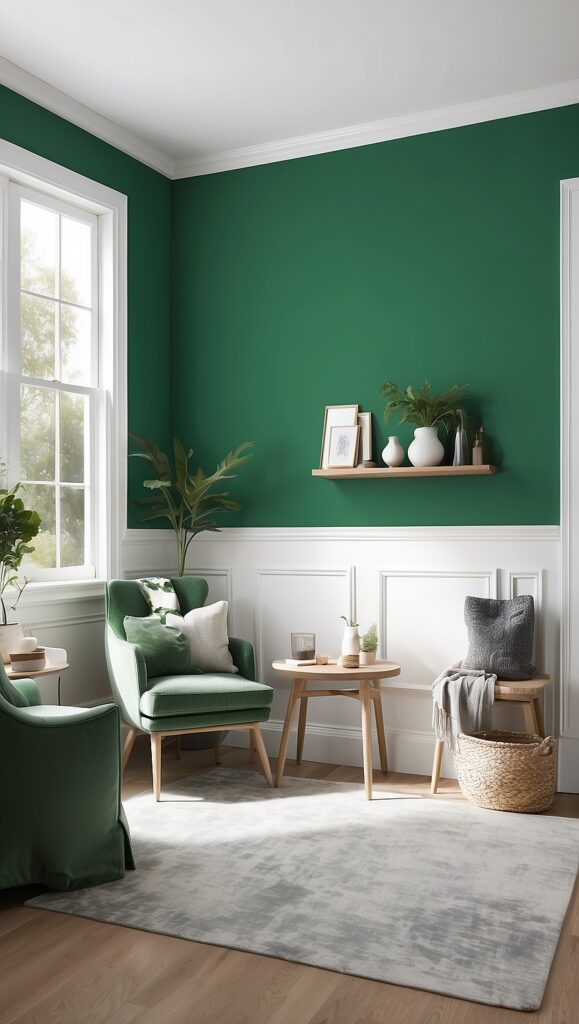
Emerald Interior is a high-solids, premium acrylic latex paint. That matters because higher solids content means:
- More pigment and binder per gallon
- Less water evaporating during drying
- A thicker, more uniform paint film
The result? Better opacity, richer color depth, and fewer coats required—often just one to two coats in real-world applications.
One-Coat Coverage: When It’s Possible
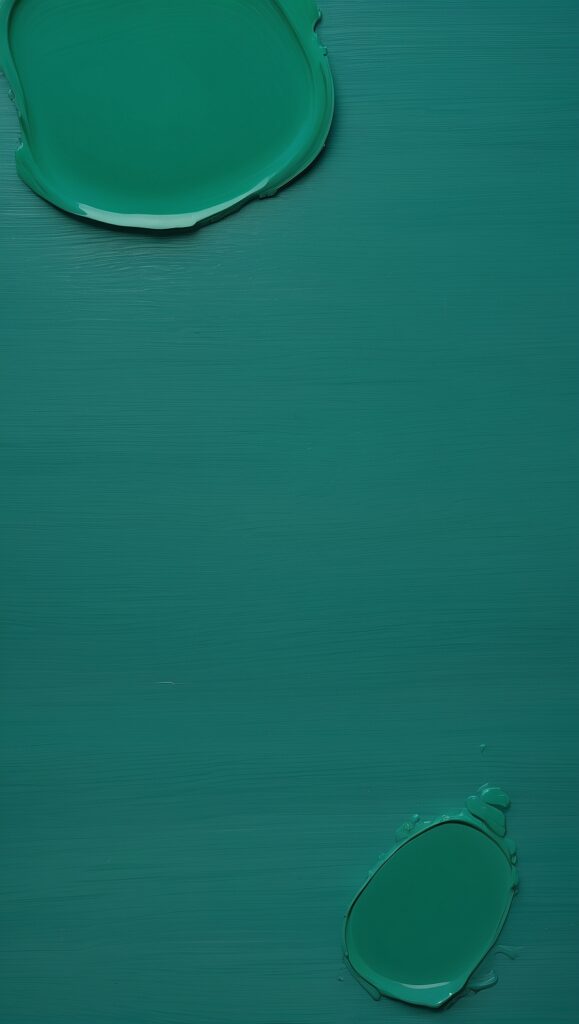
Sherwin-Williams markets Emerald as capable of one-coat coverage under ideal conditions—and while that’s not just marketing hype, it does depend on a few key factors.
Situations Where One Coat Often Works
- Repainting over a similar or lighter color
- Using neutral, mid-tone, or muted shades
- Painting smooth, primed, or previously painted walls
- Applying paint with high-quality rollers or sprayers
In these scenarios, Emerald often delivers near-perfect hide with a single coat, especially in satin, matte, or eggshell finishes.
Two Coats: The Professional Standard
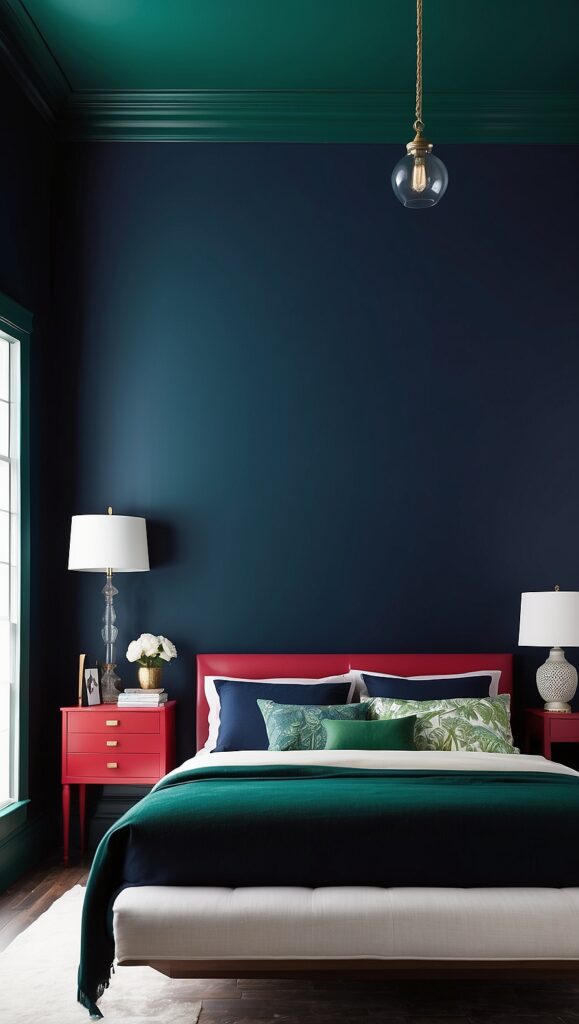
Even though Emerald can cover in one coat, two coats are still recommended for best results, especially if you want:
- Maximum color depth
- Consistent sheen
- Long-term durability
The good news? Because Emerald covers so well, the second coat uses less paint and applies faster, making the process more efficient than with standard paints.
High Pigment Load = Superior Hide
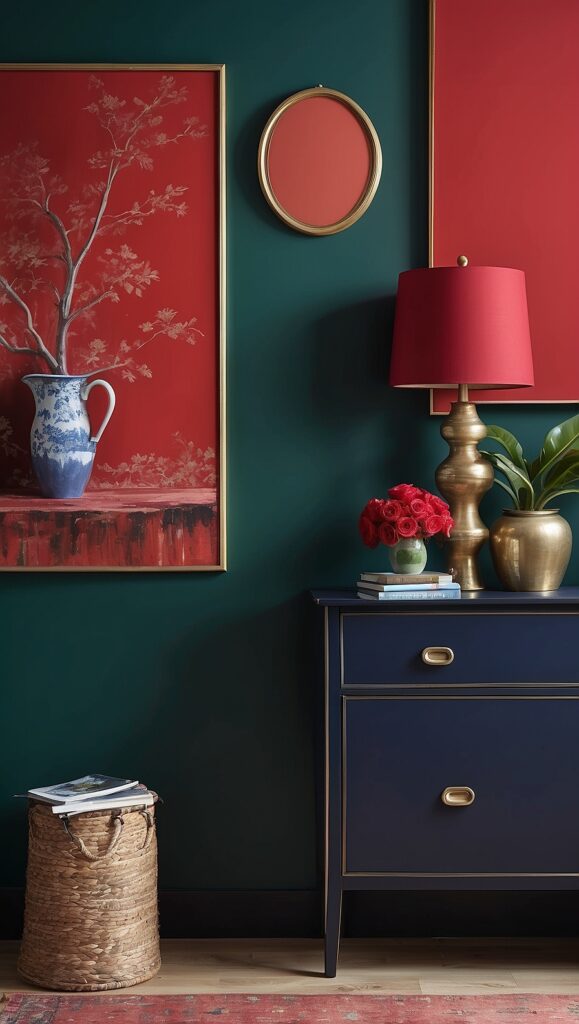
One of Emerald’s biggest strengths is its dense pigment concentration. This allows the paint to:
- Mask previous colors effectively
- Cover stains and patchwork more evenly
- Reduce “ghosting” from old paint lines
Compared to mid-tier paints, Emerald hides imperfections with noticeably fewer passes of the roller.
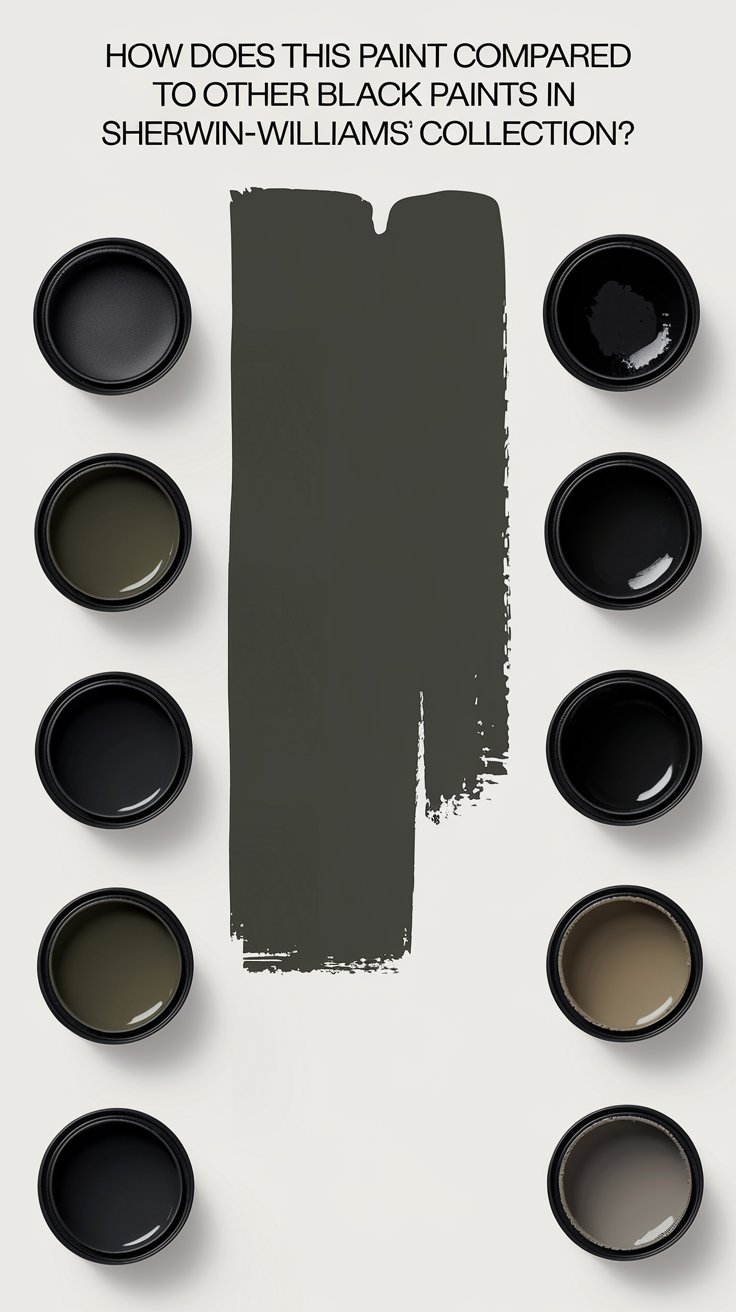
Coverage Over Dark or Bold Colors
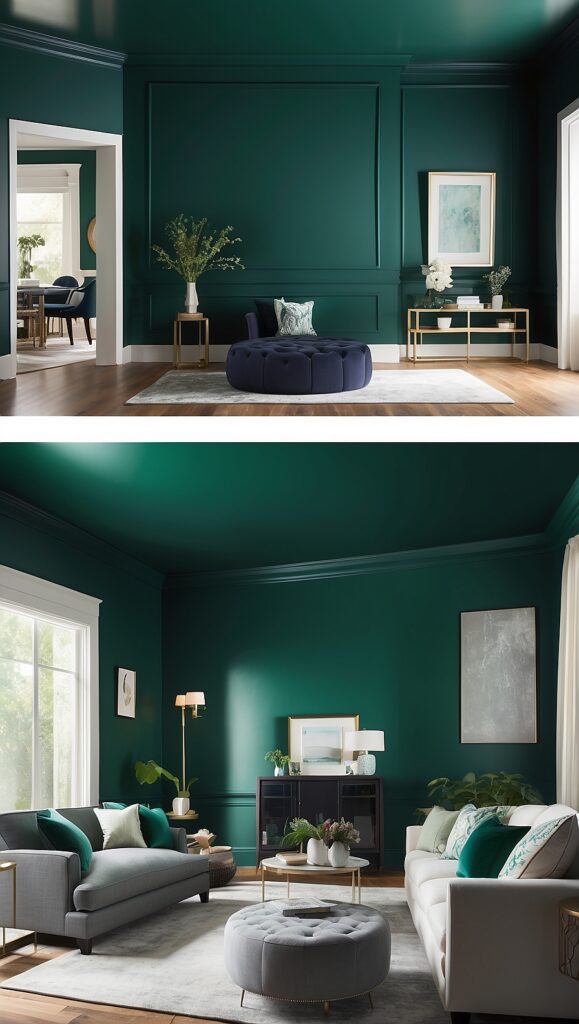
Covering dark walls is where many paints fail—but Emerald performs better than most.
What to Expect When Covering Dark Colors
- Two coats usually suffice without a separate primer
- Reds, blues, and charcoal grays are hidden more effectively
- Less “bleed-through” compared to standard interior paints
That said, when covering extremely saturated colors (deep red, navy, black), a tinted primer can still help reduce paint usage and improve uniformity.
Emerald vs Other Premium Paint Lines
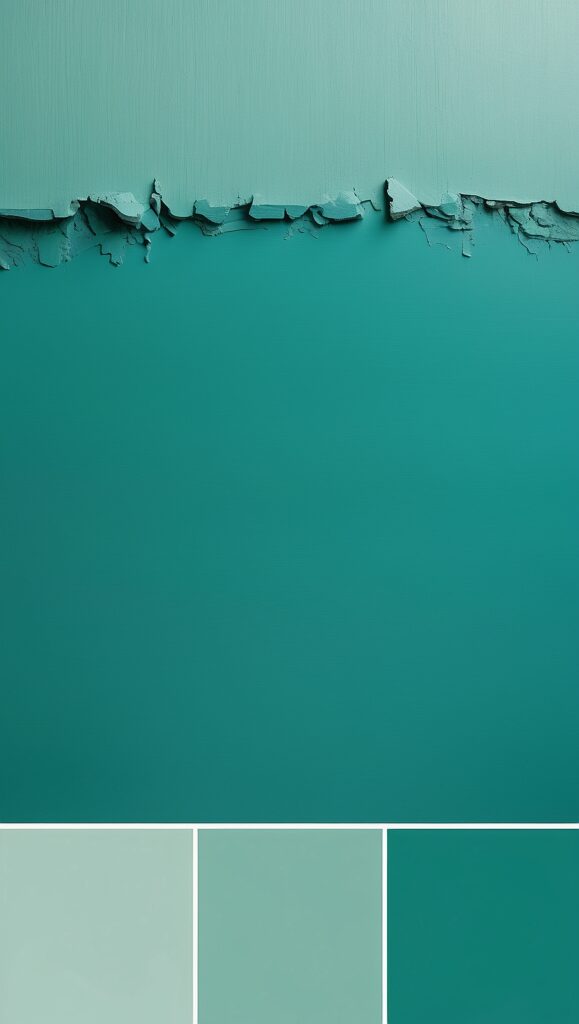
Here’s how Emerald stacks up against other high-end interior paints in terms of coverage:
Emerald vs Duration Interior
- Emerald offers better opacity
- Duration may require an extra coat in color transitions
- Emerald delivers a thicker, more luxurious finish
Emerald vs Benjamin Moore Regal Select
- Comparable coverage in many colors
- Emerald often hides better in bold or deep shades
- Regal Select may need more touch-ups on patched walls
Emerald vs Behr Marquee
- Marquee promotes one-coat coverage aggressively
- Emerald provides more consistent results across finishes
- Less streaking and flashing with Emerald
Coverage by Sheen Level
Sheen plays a bigger role in coverage than most people expect.
Matte & Flat
- Best coverage and hide
- Ideal for imperfect walls
- Often achieves one-coat coverage
Eggshell & Satin
- Excellent balance of coverage and durability
- Most popular finishes for Emerald
- Typically one to two coats
Semi-Gloss
- Slightly less forgiving
- May require two coats for uniformity
- Still better coverage than most semi-gloss paints
Application Tools That Maximize Coverage
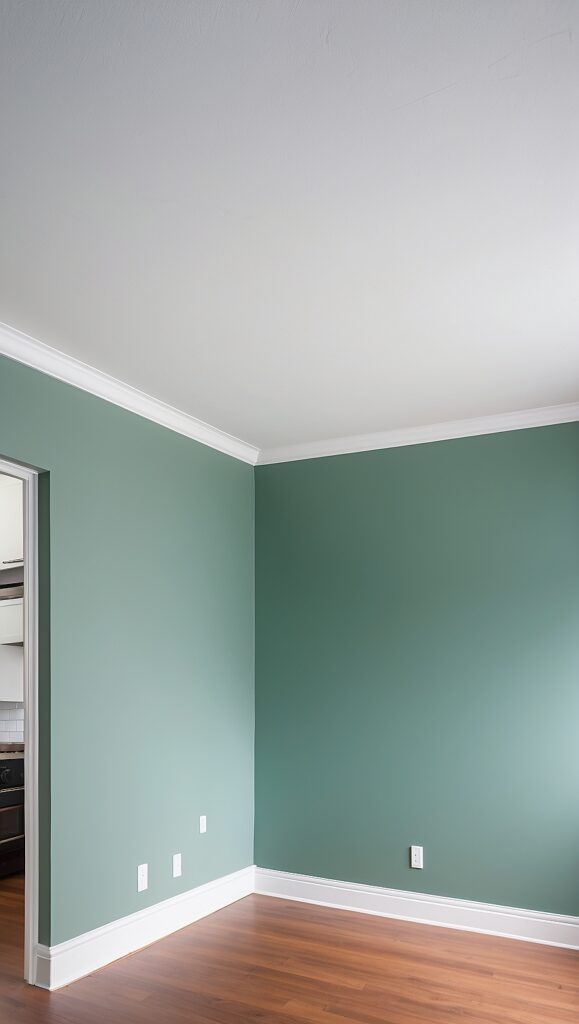
To get the fewest coats possible, application method matters just as much as paint quality.
Best Tools for Emerald Interior
- ⅜”–½” microfiber rollers for walls
- High-quality synthetic brushes for trim
- Airless sprayers for the most uniform coverage
Emerald’s creamy consistency helps reduce splatter and roller marks, making it easier to achieve full coverage faster.
Coverage on New Drywall and Repairs
New drywall and patched areas absorb paint unevenly, which can increase the number of coats needed.
Best Practice for New Surfaces
- Always use a primer on bare drywall
- Spot-prime patched areas before painting
- This ensures Emerald performs at its best in one to two coats
Skipping primer won’t ruin the result—but it can cancel out Emerald’s coverage advantage.
Paint Thickness and Leveling
Emerald doesn’t just cover well—it levels beautifully, which enhances perceived coverage.
- Fewer lap marks
- Less flashing in angled light
- More even color distribution
This leveling effect means you don’t need to “over-roll” to achieve full hide, saving time and paint.
Does Emerald Save Money Despite the Higher Price?
At first glance, Emerald costs more per gallon—but coverage efficiency changes the math.
Cost-Efficiency Factors
- Fewer coats required
- Less paint wasted
- Reduced labor time
- Fewer touch-ups later
For many homeowners and professionals, Emerald ends up being more economical overall, especially on large interior projects.
Common Coverage Mistakes to Avoid
Even the best paint won’t perform well if applied incorrectly.
Avoid These Errors
- Rolling too thin to “stretch” the paint
- Using low-quality rollers
- Skipping surface prep
- Painting over glossy surfaces without deglossing
Following proper prep and application techniques ensures Emerald delivers on its fewer-coats promise.
Professional Painter Perspective
Many professional painters choose Emerald specifically because:
- It reduces callbacks
- It delivers predictable coverage
- It looks great after fewer coats
While some pros prefer Duration for heavy-traffic rentals, Emerald is often the go-to for high-end residential interiors where appearance matters most.
Final Verdict: Does Emerald Provide Good Coverage in Fewer Coats?
Yes—Emerald Interior Acrylic Latex Paint consistently provides excellent coverage in fewer coats compared to most premium and mid-tier interior paints.
Key Takeaways
- Often covers in one coat under ideal conditions
- Two coats deliver near-perfect hide and depth
- High pigment load ensures superior opacity
- Performs especially well over bold colors
- Saves time and labor despite higher upfront cost
If your goal is rich color, smooth finish, and fewer coats, Emerald Interior Acrylic Latex Paint is absolutely worth considering—and often exceeds expectations when applied correctly.