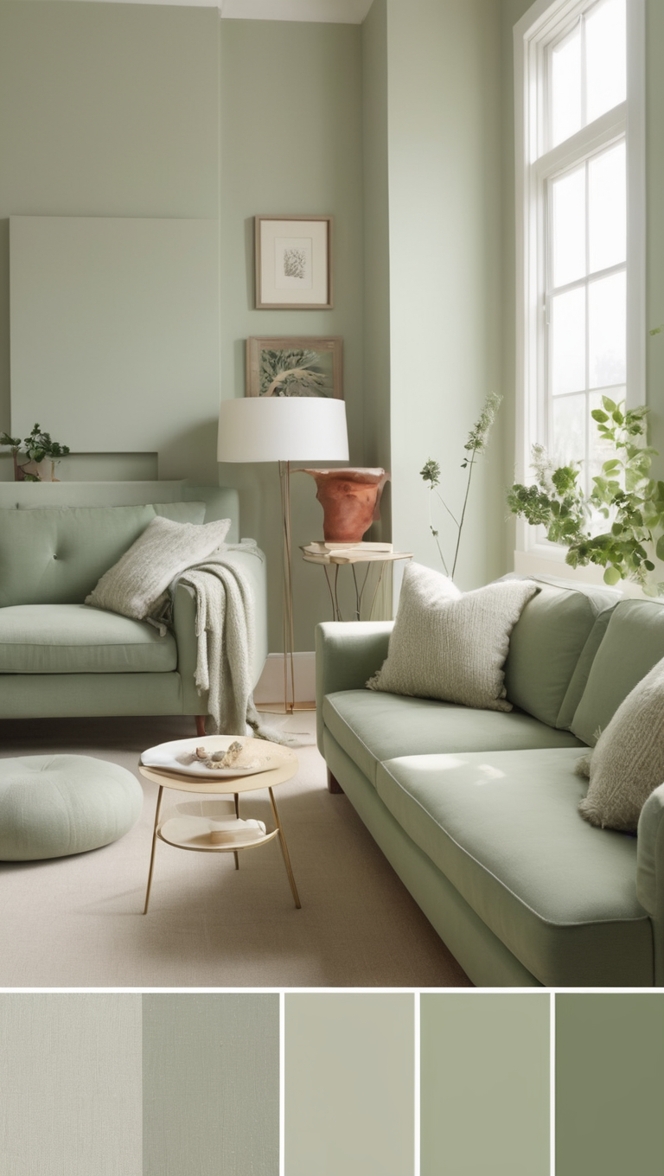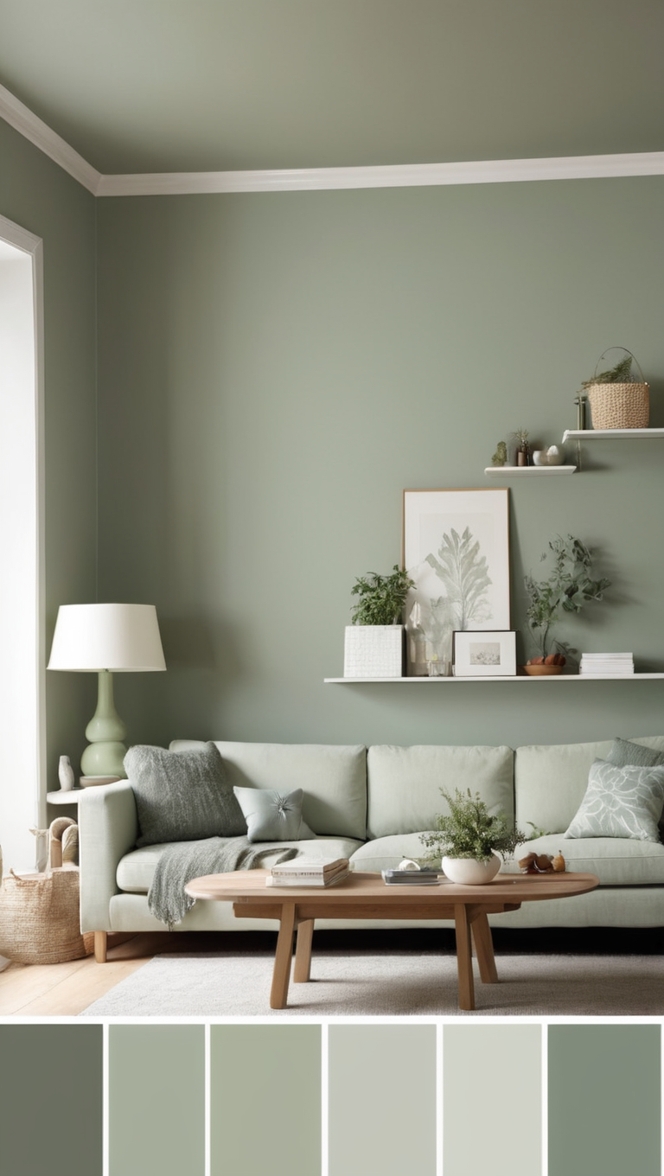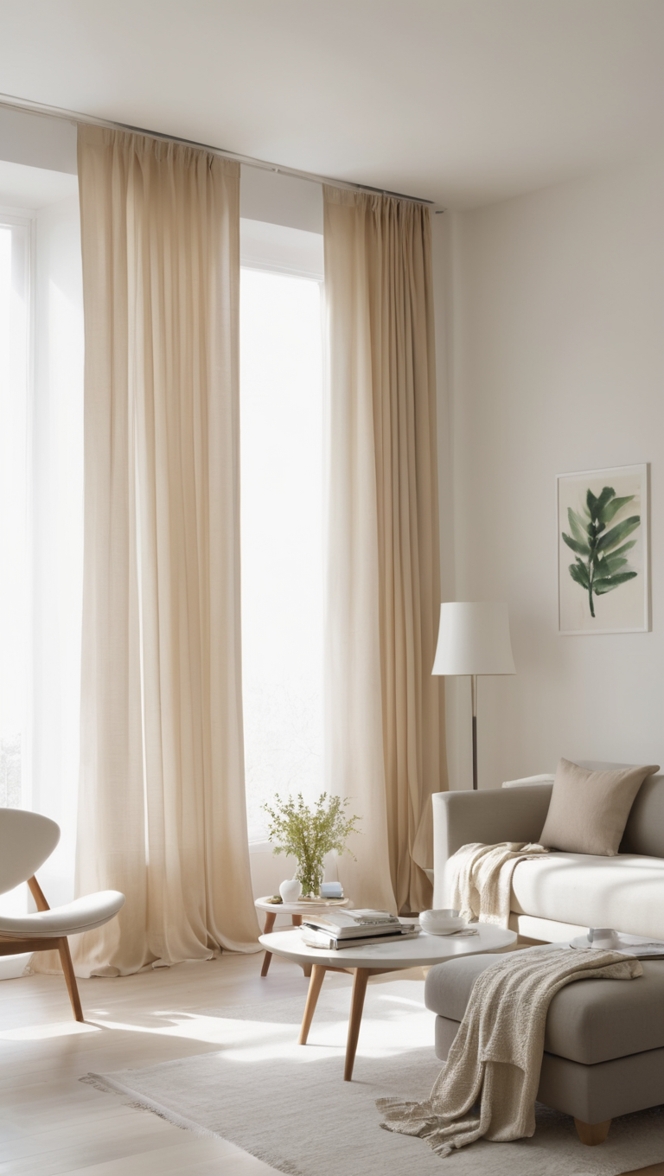

Here’s a comprehensive, overview of whether Emerald Interior Acrylic Latex Paint (by Sherwin-Williams) is suitable for high-traffic areas like hallways and living rooms, including performance, pros and cons, how to choose finishes, preparation tips, real-world insights, and when you might choose alternatives.
Introduction: Why Paint Choice Matters in High-Traffic Areas
When you’re planning to paint busy parts of your home — hallways, living rooms, family rooms, or other spaces that see a lot of movement — the type of paint you choose makes a big difference in appearance, longevity, and maintenance. High-traffic walls tend to encounter:
- Frequent contact (hands, furniture, bags)
- Scuff marks and dirt buildup
- Spot cleaning and scrubbing
- Longer intervals between repainting
These demands mean that durability, washability, stain resistance, and finish quality are more important than in low-traffic areas like guest bedrooms. Acrylic latex paints vary widely in performance — and Sherwin-Williams Emerald Interior Acrylic Latex Paint sits at the premium end of the spectrum.
What Is Emerald Interior Acrylic Latex Paint?
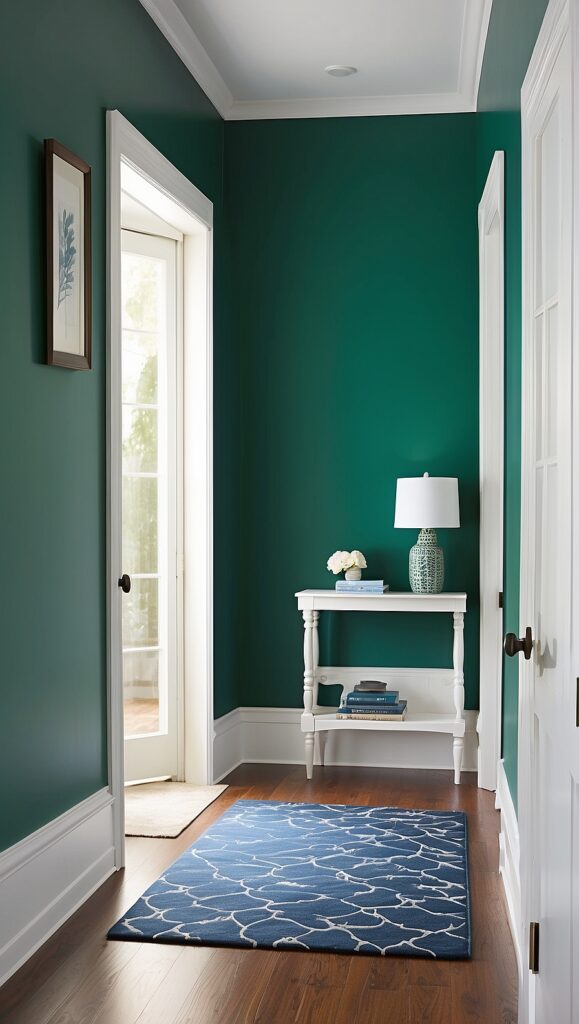
Emerald Interior Acrylic Latex Paint is Sherwin-Williams’ top-tier interior latex offering. It is formulated to combine paint and primer in one, provide excellent coverage, and offer exceptional durability and washability. It is available in multiple sheens — from flat/matte up through satin and semi-gloss — giving designers and homeowners flexibility in both aesthetic and function.
Key features include:
- Exceptional hide and coverage
- Washability and scrub resistance
- Paint + primer in one
- Advanced stain blocking technology
- Anti-microbial agents that help inhibit mold/mildew on the surface
- Low VOC formulations for healthier indoor air
Performance in High-Traffic Areas
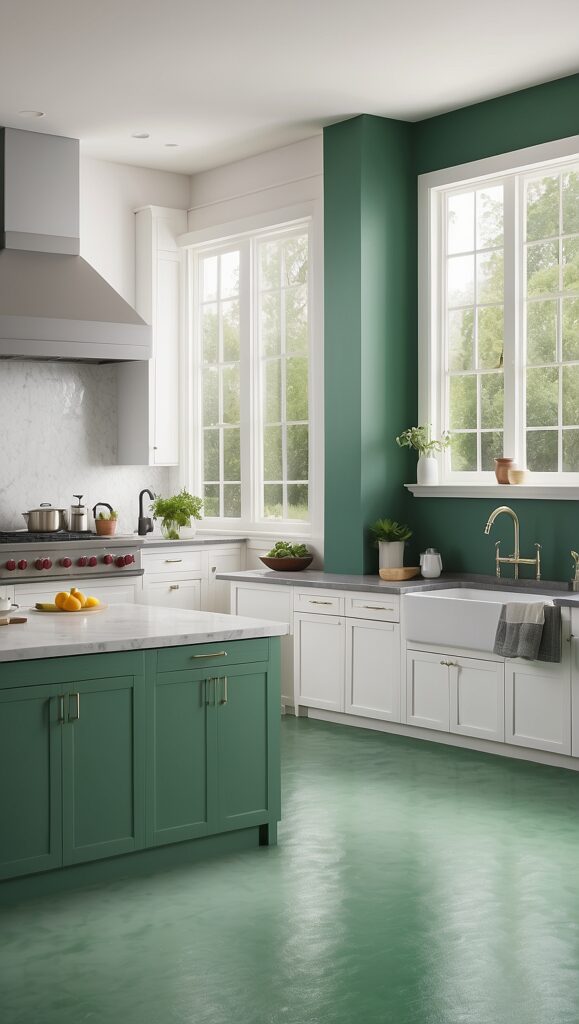
The core question is whether Emerald Interior stands up to the wear and tear of hallways and living rooms.
Outstanding Durability and Washability
Emerald’s formula is engineered to withstand scrubbing and cleaning more effectively than many standard interior paints. Both professional reviews and home improvement resources describe its washability as a standout feature — the surface can be wiped clean with mild soap and water without easily dulling, streaking, or losing color vibrancy.
This is especially important in high-traffic areas like hallways, where walls are subject to repeated contact and fingerprints. Reviews specifically cite hallways and busy living spaces as excellent applications for Emerald because of its ability to handle frequent cleaning and resist stains.
Superior Stain and Scuff Resistance
Unlike lower-priced paints that may show marks quickly, Emerald’s thicker film and advanced chemistry mean walls retain their finish longer — even with the constant bumps and scrapes that come with daily use. Many users report minimal scuffs and stains, and that marks that do appear can often be removed with gentle cleaning.
Color Retention and Sunlight Exposure
Emerald maintains its color and sheen well, even in rooms with large windows or bright light — a feature that’s relevant for living rooms with expansive exposure. Colors stay true and resist fading over time, which helps high-traffic walls look fresh longer.
Choosing the Right Finish for High-Traffic Areas
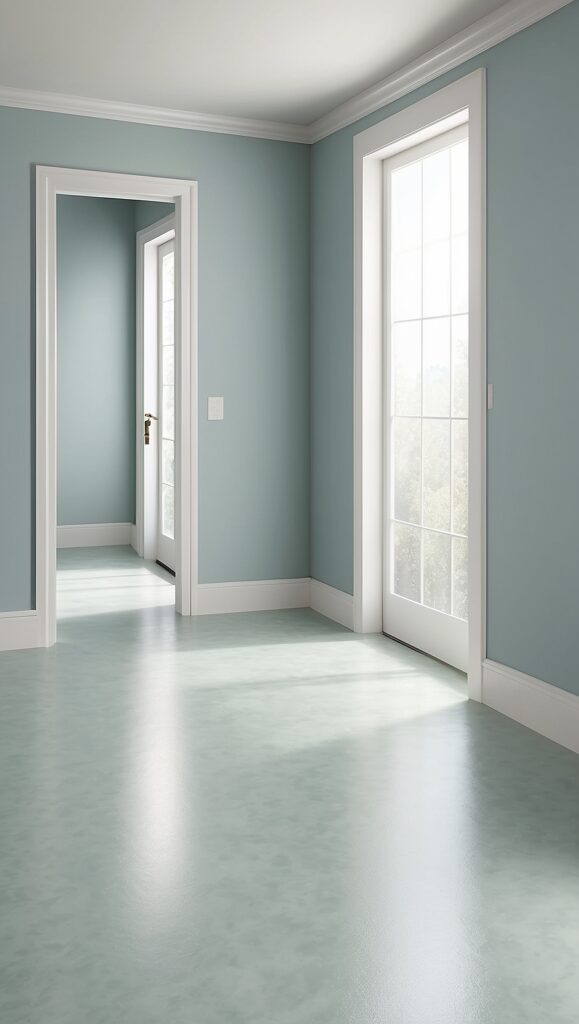
Emerald Interior Acrylic Latex comes in multiple sheens, and the finish you select impacts both appearance and durability:
Flat/Matte
- Least reflective; conceals wall imperfections well.
- Newer formulations offer better washability than traditional flats, but still not as robust for heavy cleaning.
- Ideal for living rooms if you prioritize a soft look and don’t expect frequent scrubbing.
Eggshell
- Balanced sheen that hides imperfections while offering moderate durability.
- Good for lower-impact hallways or living room walls with fewer contact points.
Satin
- Often considered the best all-around choice for high-traffic walls.
- Easier to clean than lower sheens.
- Slight sheen adds dimension without being too glossy.
Semi-Gloss
- Most durable and easiest to clean.
- Can highlight wall texture or imperfections if not carefully applied.
- Popular for trim but suitable for busy hallways where maximum washability is needed.
Tip: For hallways or parts of living rooms that see constant “touch points” (like next to door frames), satin or semi-gloss finishes are often recommended to balance durability and aesthetics.
Preparation and Application: Keys to Success
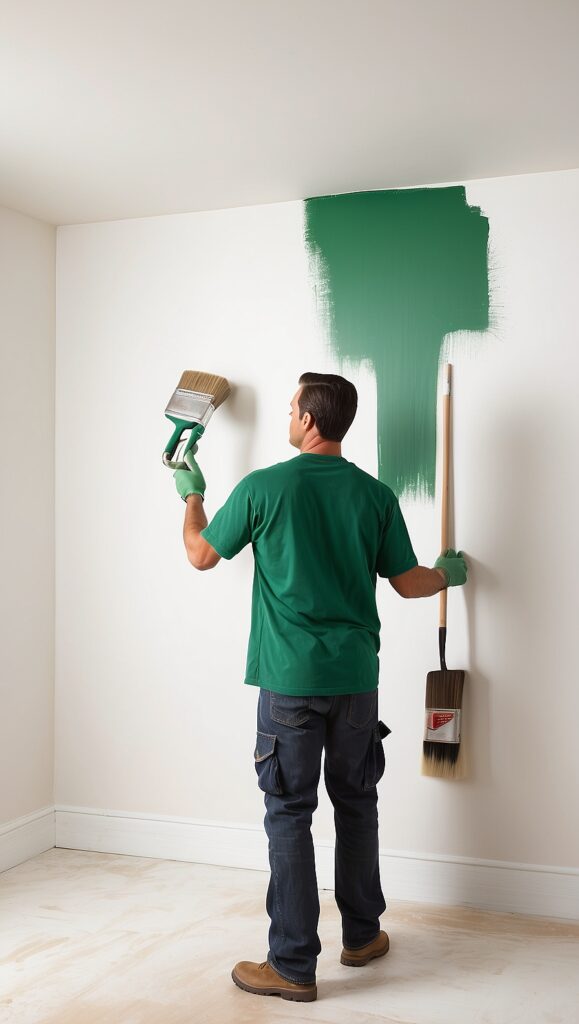
Even the best paint won’t perform well if preparation is neglected. Here’s how to maximize Emerald’s performance:
Surface Prep
- Clean walls thoroughly to remove grease, dirt, and dust.
- Light sanding on glossy or previously painted surfaces improves adhesion.
- Fill holes and smooth rough spots before painting.
Primer vs. Paint + Primer
Emerald includes primer properties, but heavy stain areas or drastic color changes often still benefit from a dedicated primer coat first — especially if you’re painting over dark colors or patched drywall.
Proper Tools
- Use high-quality brushes and rollers to ensure smooth application.
- Spraying can give professional results but requires skill.
Multiple Coats
Two coats generally deliver the best hide and durability — particularly for deeper colors or high-traffic walls.
Real-World Feedback and Limitations
Professional and Consumer Praise
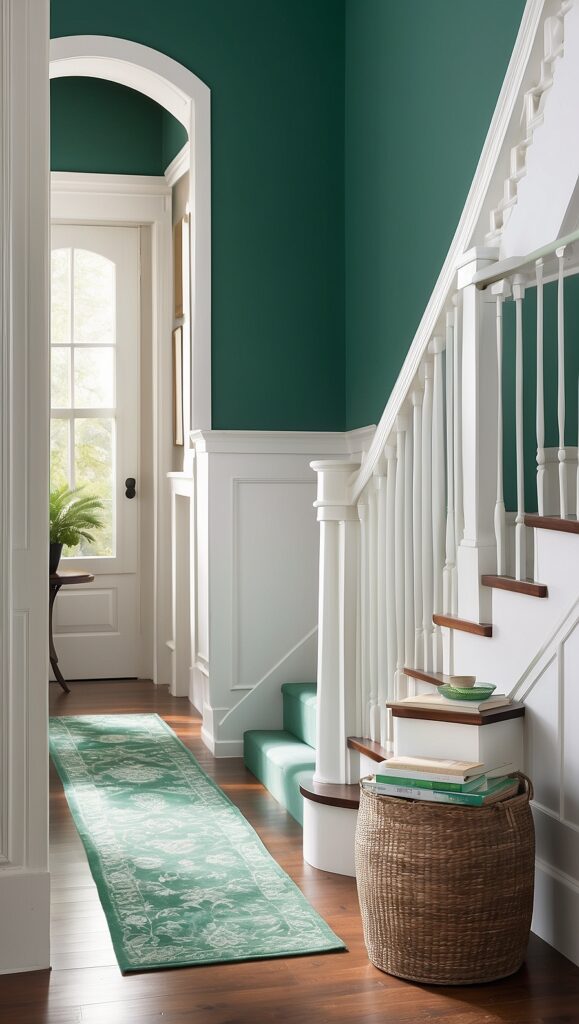
Many reviewers call Emerald a “premium,” “top-tier” interior paint that’s worth the investment for busy spaces due to its scrub resistance and long-term performance. Users and painters alike highlight it as a paint that holds up in hallways and living areas where frequent cleaning and contact occur.
Price Factor
Because Emerald is a premium product, its price point is higher than budget or mid-range interior paints. That’s usually justified by extended durability and fewer repaint cycles, but homeowners with tight budgets sometimes opt for less expensive options in low-impact rooms.
Application Challenges
Some DIYers note that Emerald can feel thicker or trickier to apply than entry-level paints — which can be a consideration if you’re painting without professional help. Proper technique helps, but beginners may find it takes practice to get smooth results.
Comparing Emerald to Other Interior Paint Options
When assessing suitability for high-traffic areas, it’s helpful to compare Emerald with similar paints:
Emerald vs. Standard Interior Latex
Emerald generally outperforms basic interior paints in:
- Washability
- Stain resistance
- Scuff resistance
- Longevity
Standard paints often start to show wear sooner under heavy use.
Emerald vs. Mid-Range Premium Paints
Compared with paints like SuperPaint or Cashmere:
- Emerald has better scrub resistance and a sturdier film.
- SuperPaint may suffice for lighter traffic, but Emerald stands up better in demanding areas.
Best Practices for High-Traffic Hallways and Living Rooms
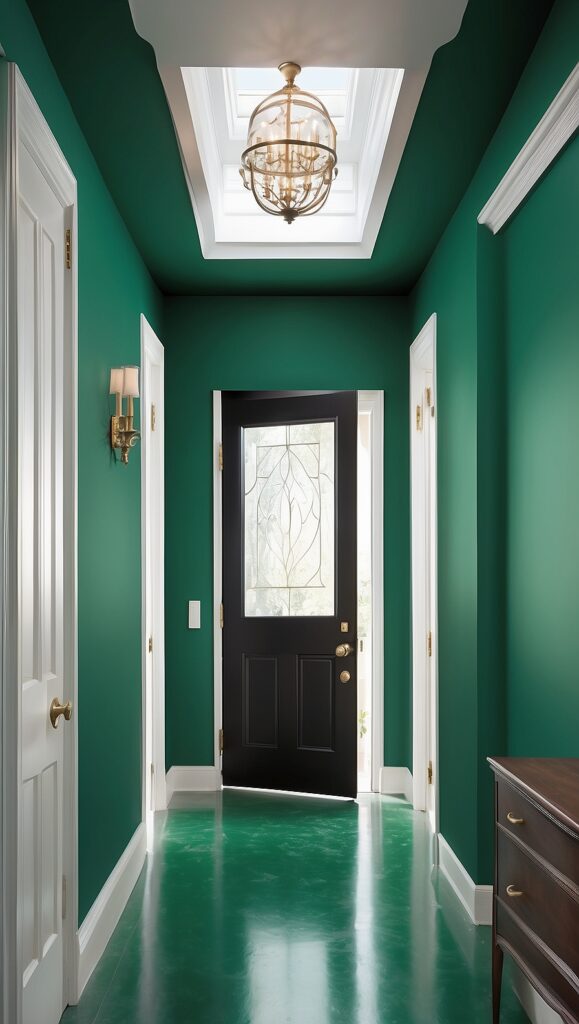
To make the most of Emerald Interior Acrylic Latex in high-traffic zones:
1. Choose Satin or Semi-Gloss
These finishes balance look and performance — easier to clean and maintain while retaining good aesthetics.
2. Prep Thoroughly
Proper surface preparation ensures adhesion and durability, especially in high-touch areas.
3. Plan for Touch-Up Maintenance
Keep leftover paint for touch-ups; even the best paint can show marks over years, and matching sheen is easier if you have the original can.
4. Ventilation Matters
Good ventilation during and after painting helps with drying and minimizes odors, although Emerald’s low-VOC formulation means less harsh fumes than older paints.
Conclusion: Is Emerald Interior Acrylic Latex Paint Suitable for High-Traffic Areas?
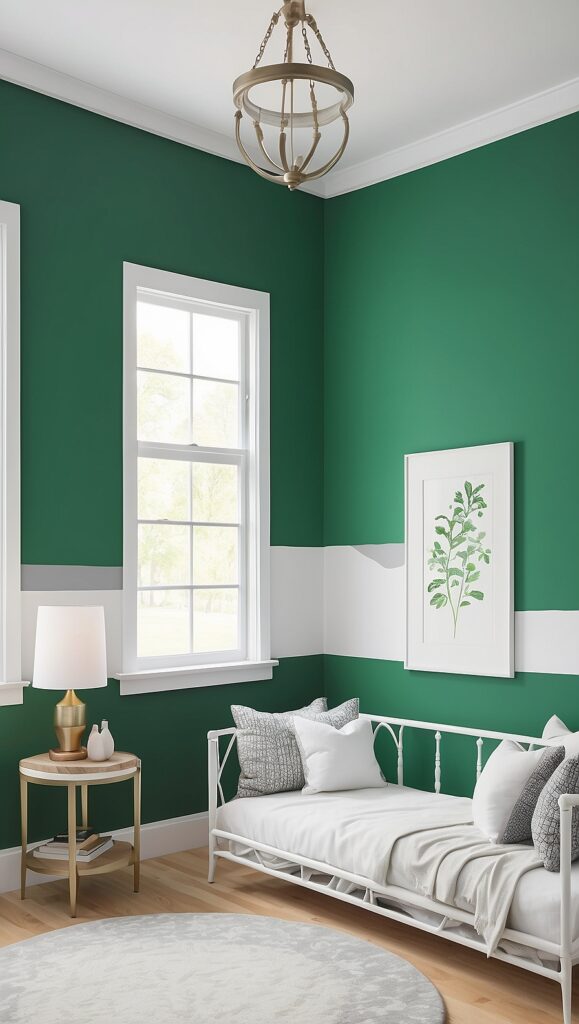
Yes — Emerald Interior Acrylic Latex Paint is not just suitable but highly recommended for high-traffic areas like hallways and living rooms when you prioritize durability, washability, and long-term performance. Its premium formulation, excellent stain and scuff resistance, and washability make it one of the better choices on the market for busy interior spaces that need to look great year after year. Choosing the right finish (such as satin or semi-gloss) and preparing surfaces properly will maximize its performance and help keep walls looking fresh even under daily wear.