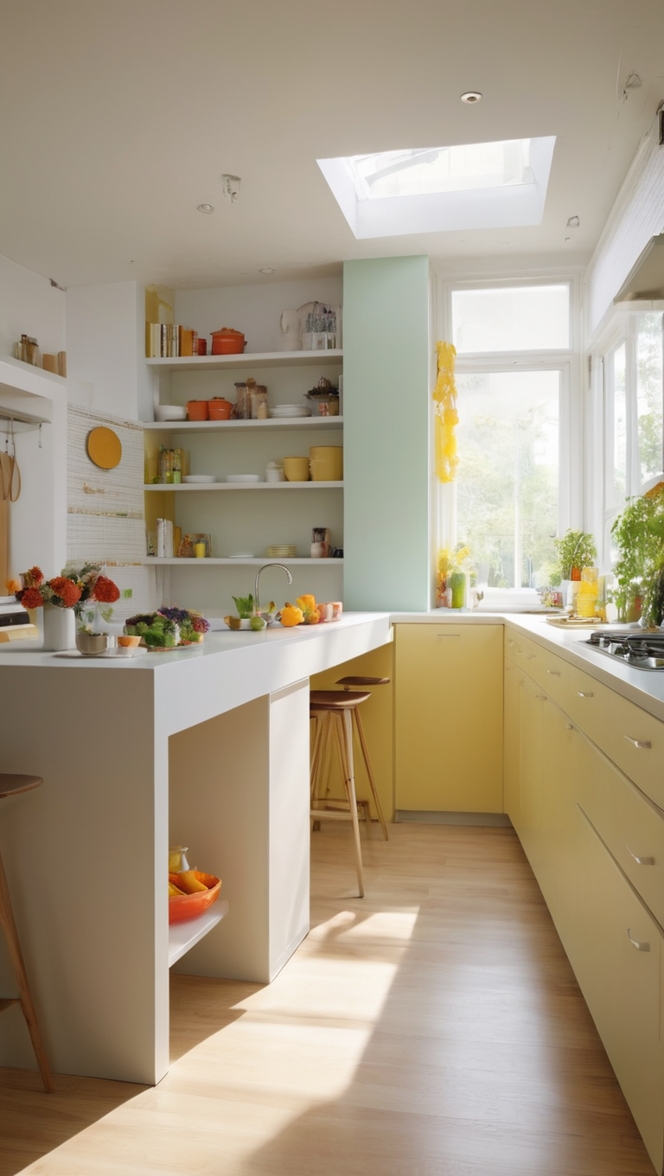
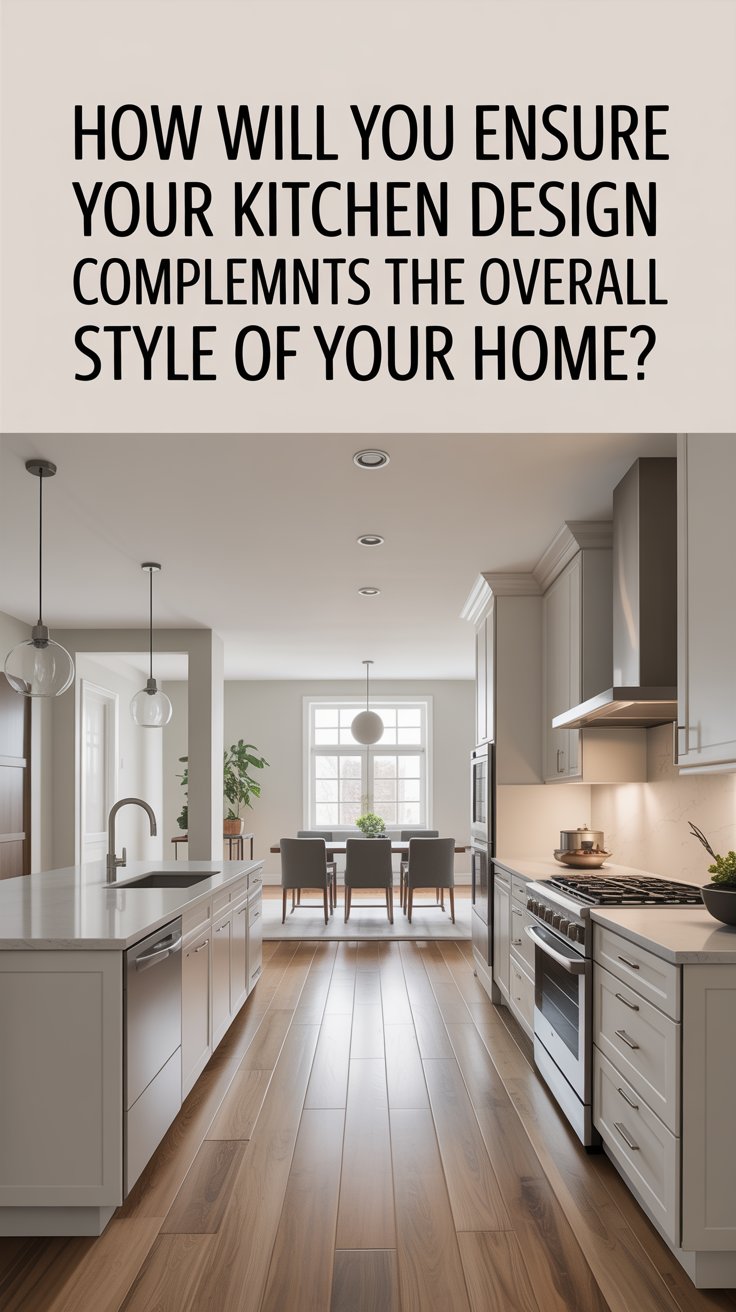
Designing a kitchen that truly belongs to your home isn’t just about choosing trendy cabinets or the latest appliances—it’s about harmony. The kitchen should feel like a natural extension of the rest of your house, not a disconnected space that follows a completely different design language. Below is a detailed, practical guide on how to ensure your kitchen design complements the overall style of your home, while still feeling functional, fresh, and personal.
1. Start by Defining Your Home’s Overall Style
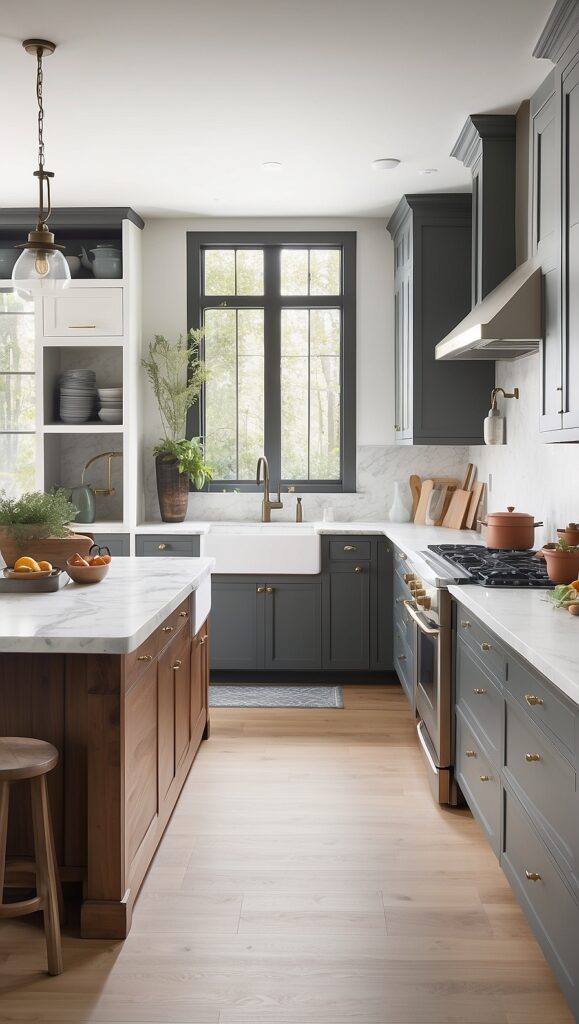
Before making a single kitchen decision, take a step back and clearly define your home’s architectural and interior style. Is it modern, traditional, farmhouse, Scandinavian, industrial, coastal, or transitional?
Look at:
- Flooring used throughout the house
- Wall colors and undertones
- Door and window styles
- Furniture shapes and finishes
- Decorative details like moldings, trims, or exposed beams
Your kitchen should visually “speak the same language.” For example:
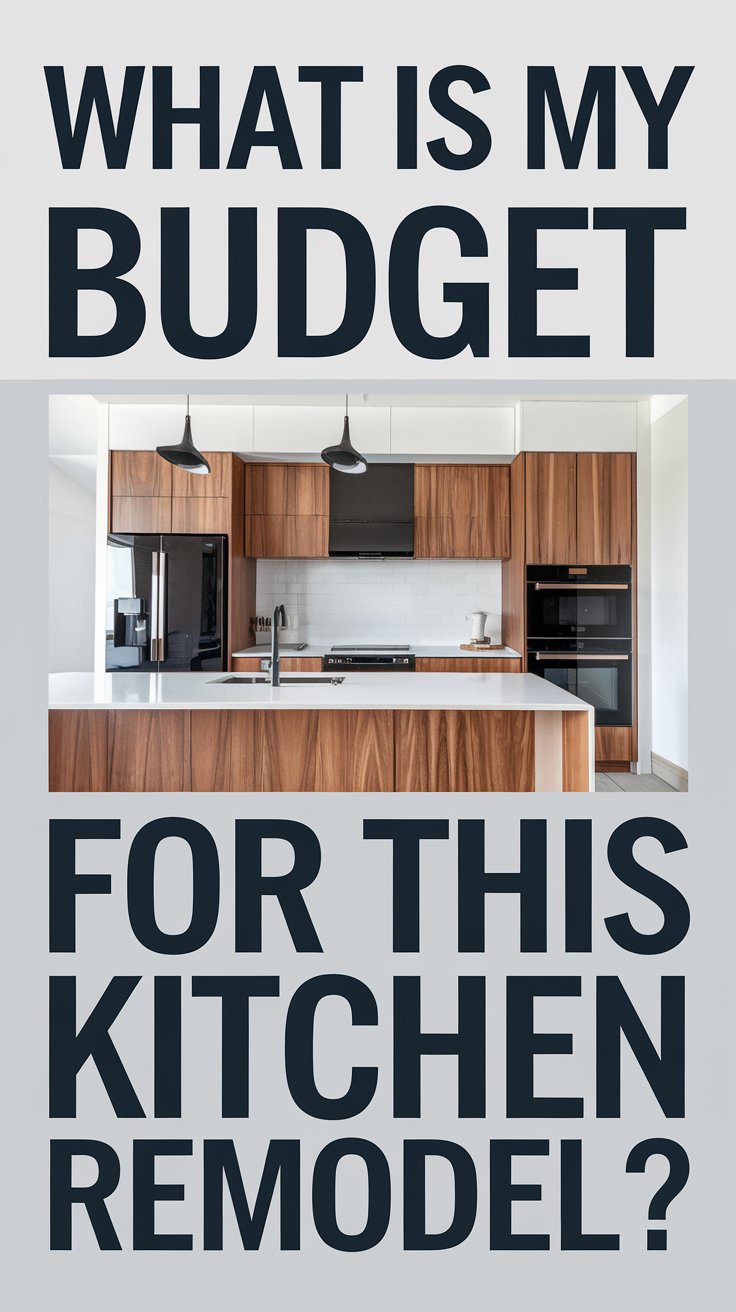
- A modern home benefits from sleek cabinetry, minimal hardware, and clean lines.
- A traditional home calls for classic cabinet profiles, warm wood tones, and elegant details.
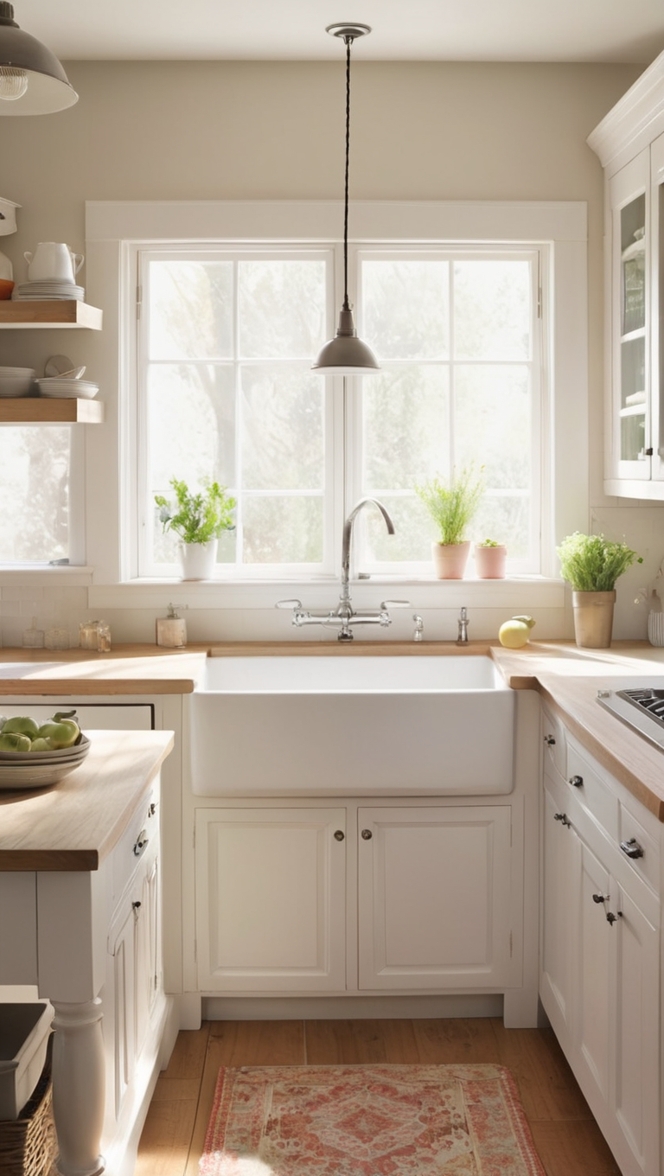
- A farmhouse-style home pairs beautifully with shaker cabinets, apron sinks, and natural textures.
Defining this style early prevents mismatched choices later.
2. Maintain a Consistent Color Palette
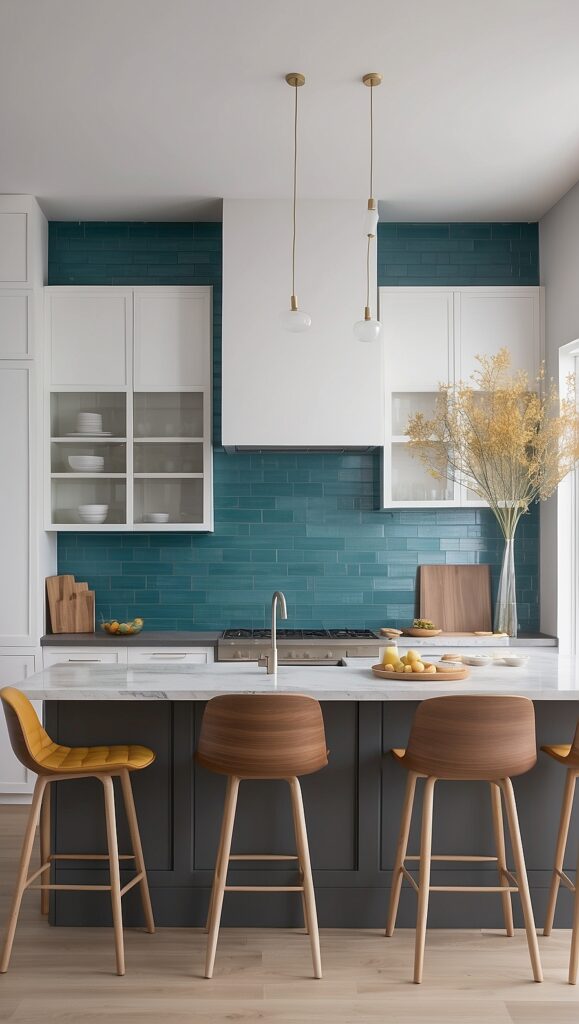
Color is one of the most powerful tools for visual cohesion. Your kitchen doesn’t need to use the exact same colors as the rest of your home—but it should complement them.
How to do this effectively:
- Identify 2–3 dominant colors used throughout your home.
- Use similar undertones (warm vs. cool) in kitchen cabinets, walls, and finishes.
- Repeat accent colors subtly through backsplashes, bar stools, or accessories.
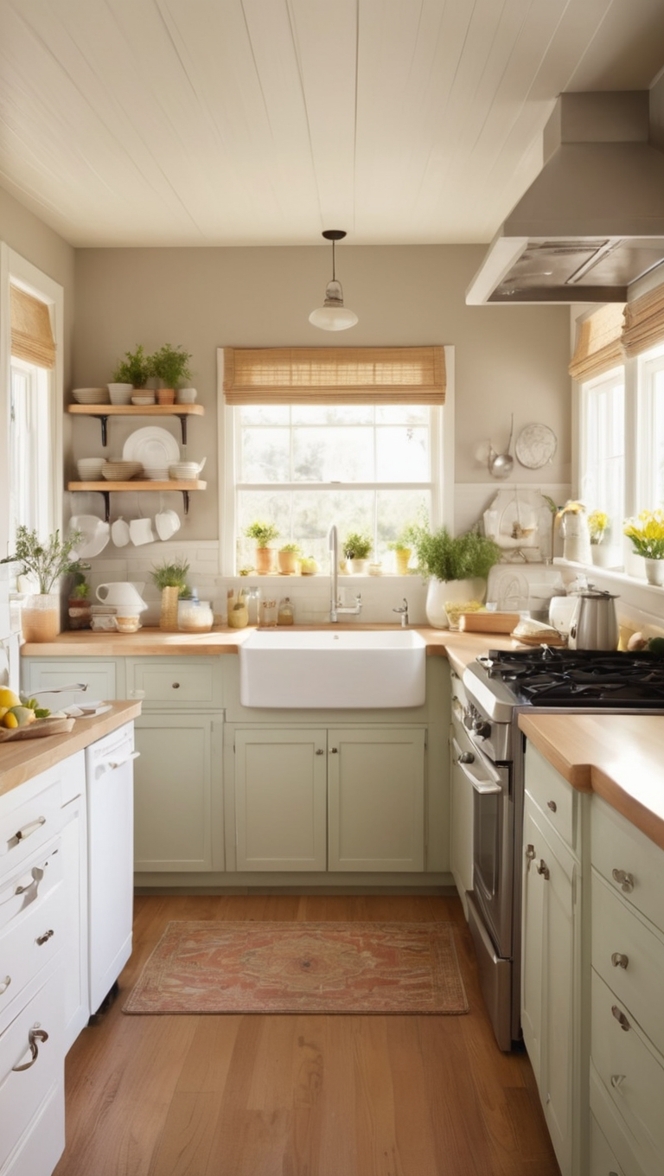
For example, if your home features warm neutrals like beige, taupe, or greige, avoid stark white or icy gray kitchens. Instead, choose creamy whites, warm woods, or soft muted tones that flow naturally from room to room.
3. Match Materials and Finishes Thoughtfully
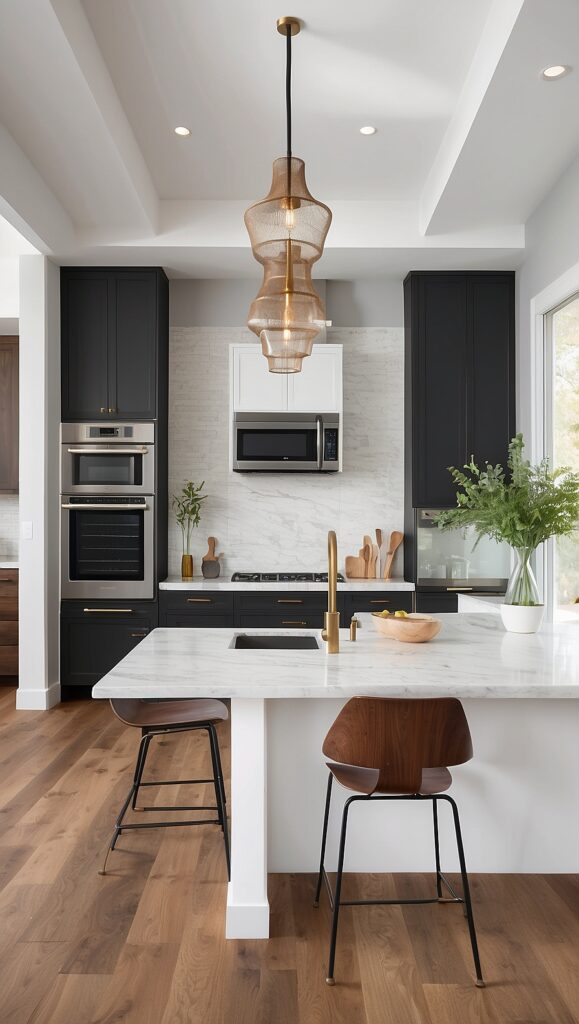
Materials act as visual bridges between spaces. Repeating or echoing them creates continuity.
Flooring
If possible, use the same flooring throughout open-concept spaces. If that’s not practical:
- Choose complementary tones and textures.
- Avoid abrupt transitions that visually “cut off” the kitchen.
Wood Tones
If your home features oak, walnut, or maple elsewhere, reflect similar tones in:
- Kitchen cabinets
- Open shelving
- Island finishes
They don’t have to match perfectly—variation adds depth—but they should feel intentional.
Metals
Keep metal finishes consistent:
- If your home uses brushed brass or matte black, repeat it in kitchen hardware, faucets, or lighting.
- Mixing metals is fine, but stick to a controlled palette.
4. Align Cabinet Style with Architectural Details
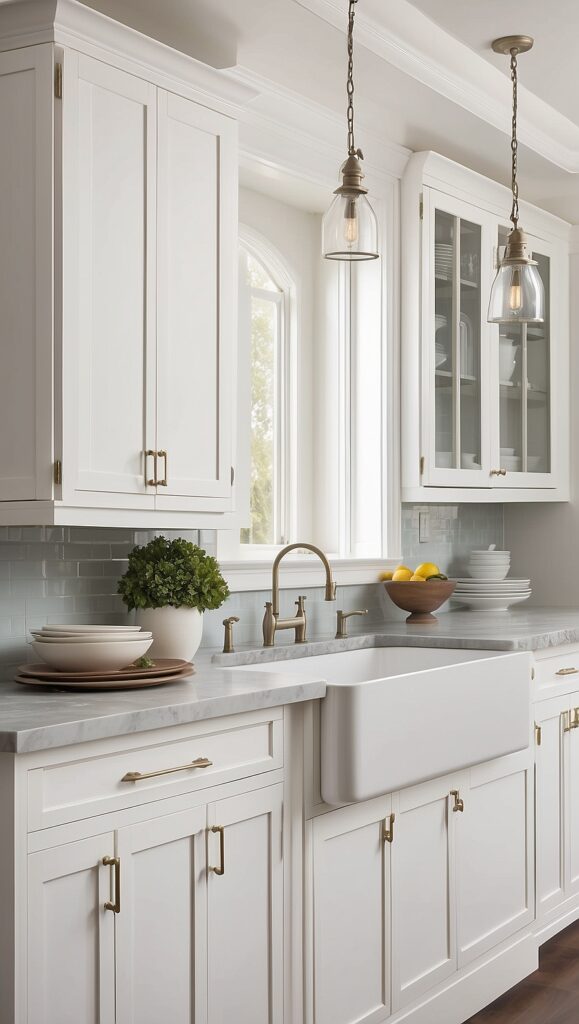
Cabinetry is the most visually dominant element in a kitchen, so it must align with your home’s character.
- Flat-panel cabinets suit modern, minimalist, and contemporary homes.
- Shaker cabinets work well in transitional, farmhouse, and classic interiors.
- Raised-panel or detailed cabinets complement traditional and colonial-style homes.
Also consider details like:
- Crown molding on cabinets to match ceiling trims
- Panel-ready appliances in classic or traditional homes
- Glass-front cabinets if your home leans elegant or vintage
These details help the kitchen feel architecturally connected rather than stylistically isolated.
5. Consider Sightlines and Open-Concept Flow
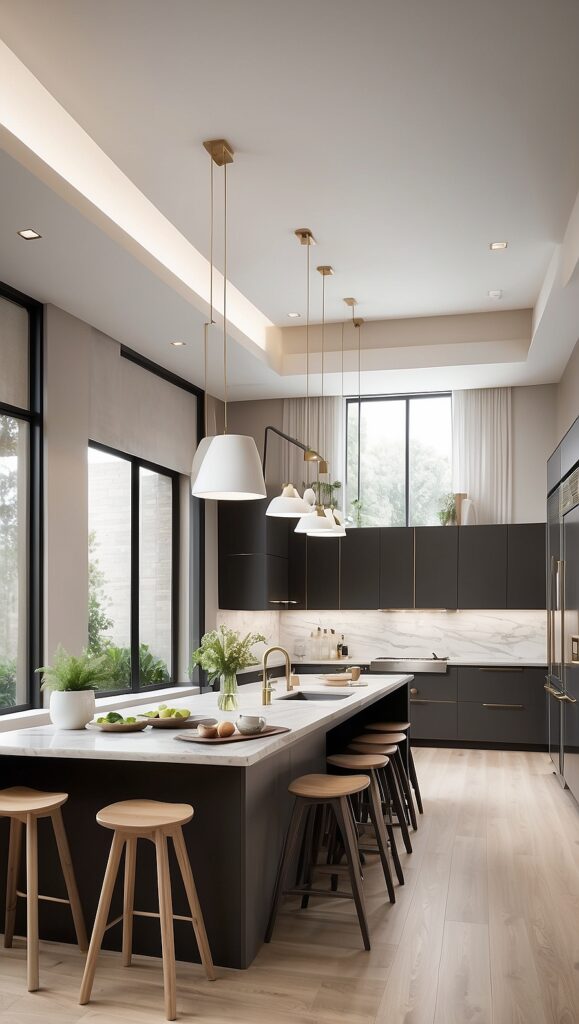
In open-plan homes, the kitchen is often visible from the living or dining area. This makes cohesion even more important.
Key strategies:
- Coordinate kitchen cabinetry with nearby furniture finishes.
- Choose an island color that complements the living room palette.
- Use similar lighting styles across connected spaces.
For instance, if your living room features soft curves and organic shapes, overly sharp, ultra-modern kitchen lines may feel jarring. Balance form and flow so the eye moves comfortably between spaces.
6. Use Lighting as a Unifying Design Element
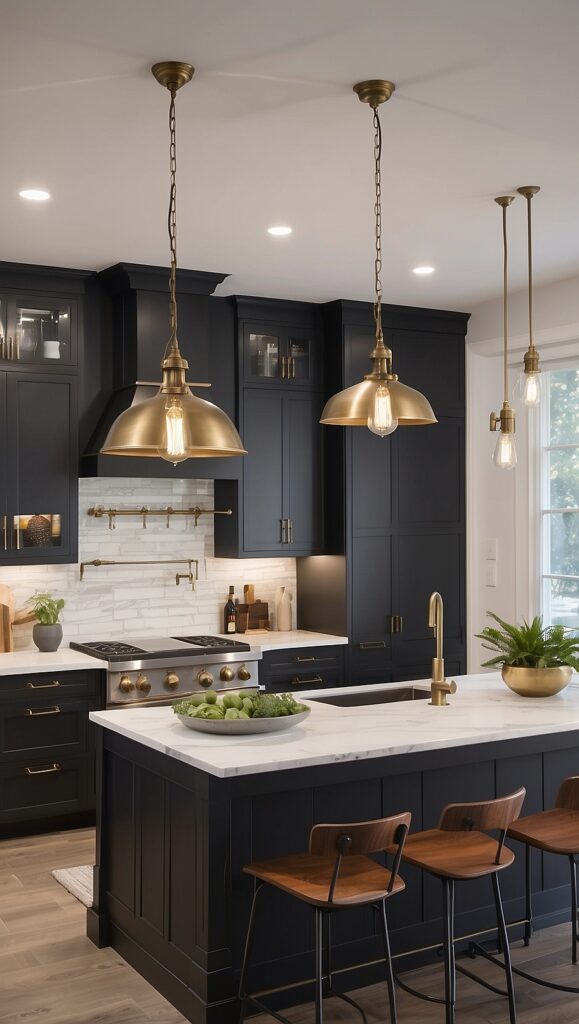
Lighting is often overlooked, but it plays a major role in tying spaces together.
- Match the style of kitchen lighting with fixtures used elsewhere (modern, rustic, industrial, etc.).
- Keep finishes consistent—black, brass, chrome, or bronze.
- Layer lighting the same way throughout the home: ambient, task, and accent lighting.
Pendant lights over the island should feel like a natural extension of the home’s overall lighting scheme, not a statement that clashes with everything else.
7. Reflect the Home’s Level of Formality
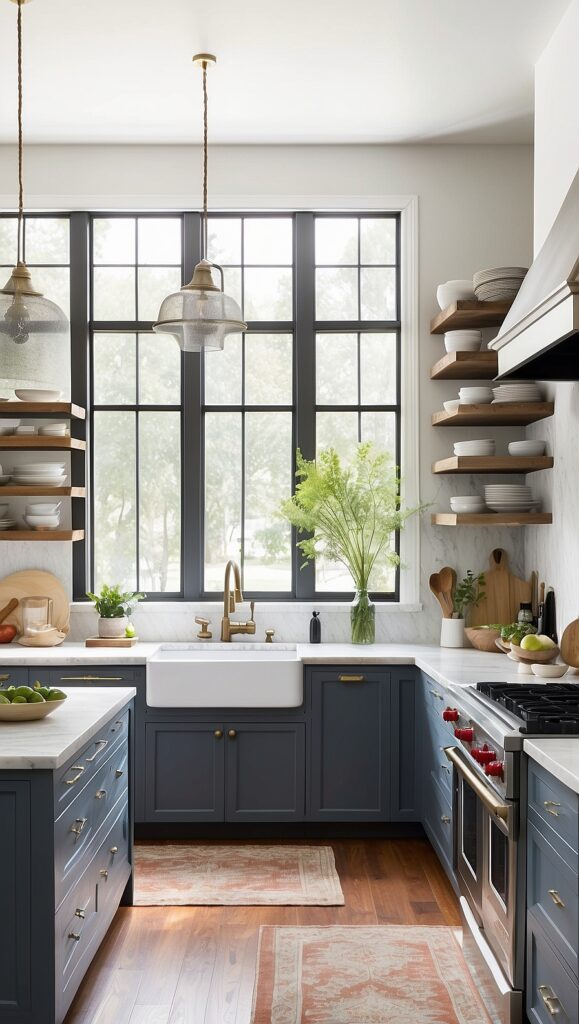
Every home has a certain “vibe”—casual, relaxed, refined, or formal. Your kitchen should match that energy.
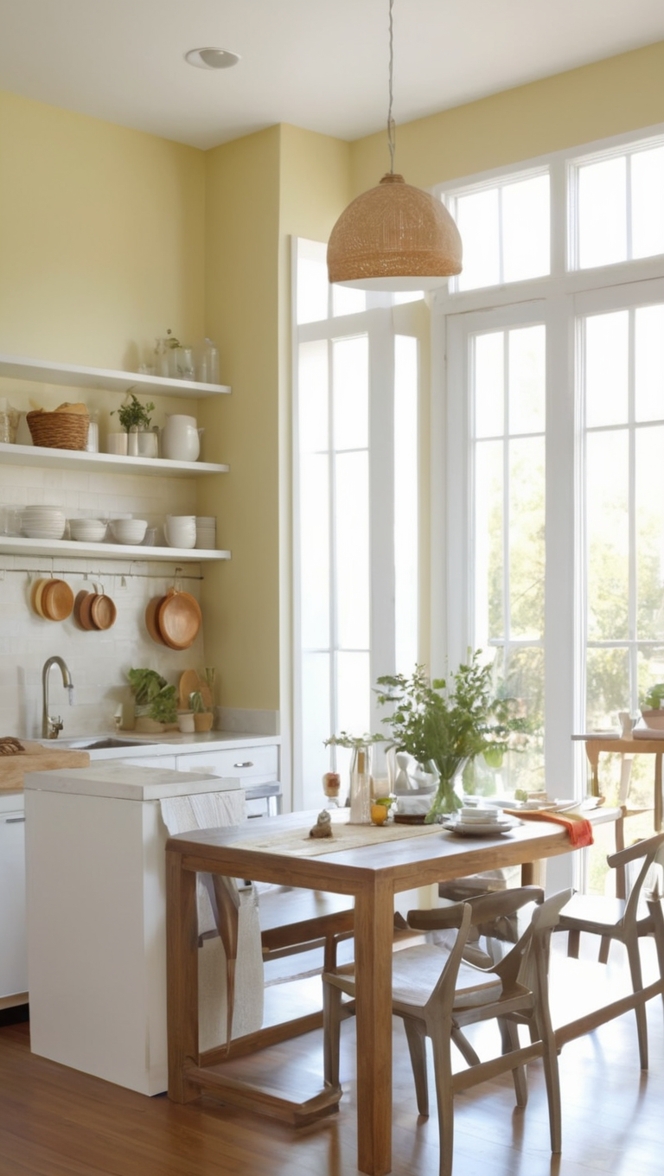
- A casual home pairs well with open shelving, relaxed seating, and natural textures.
- A formal home benefits from symmetrical layouts, polished finishes, and refined detailing.
- A family-focused home should prioritize durability, storage, and comfort without sacrificing style.
When the kitchen’s level of formality matches the rest of the house, it feels natural and inviting rather than out of place.
8. Repeat Design Motifs and Details
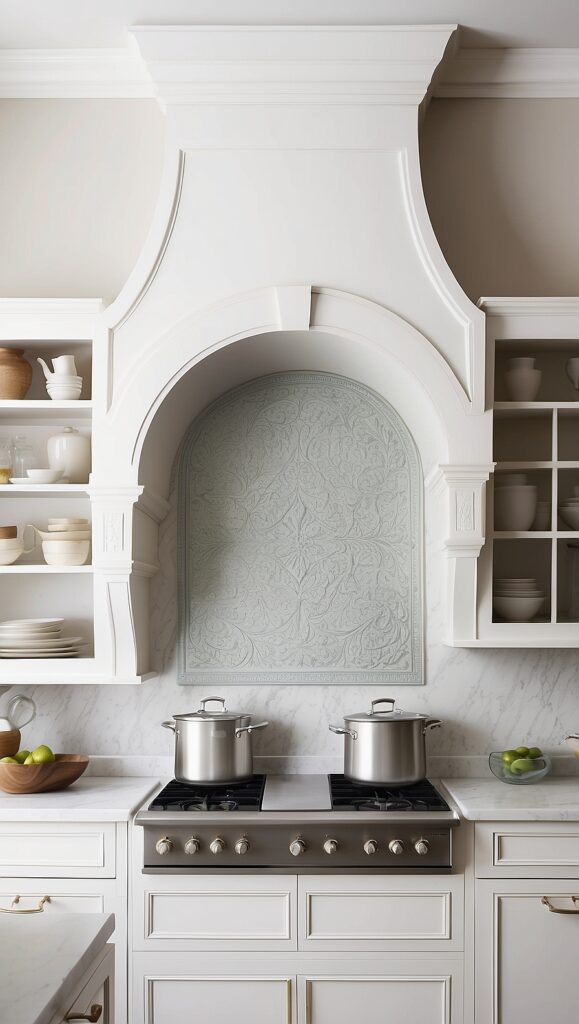
Subtle repetition creates cohesion without being obvious.
Look for opportunities to repeat:
- Arch shapes
- Vertical or horizontal lines
- Textured surfaces
- Decorative trims
For example, if arches appear in doorways or windows, consider an arched range hood or curved island edges. If vertical paneling appears elsewhere, incorporate it into the island or cabinet detailing.
9. Balance Trends with Timeless Design
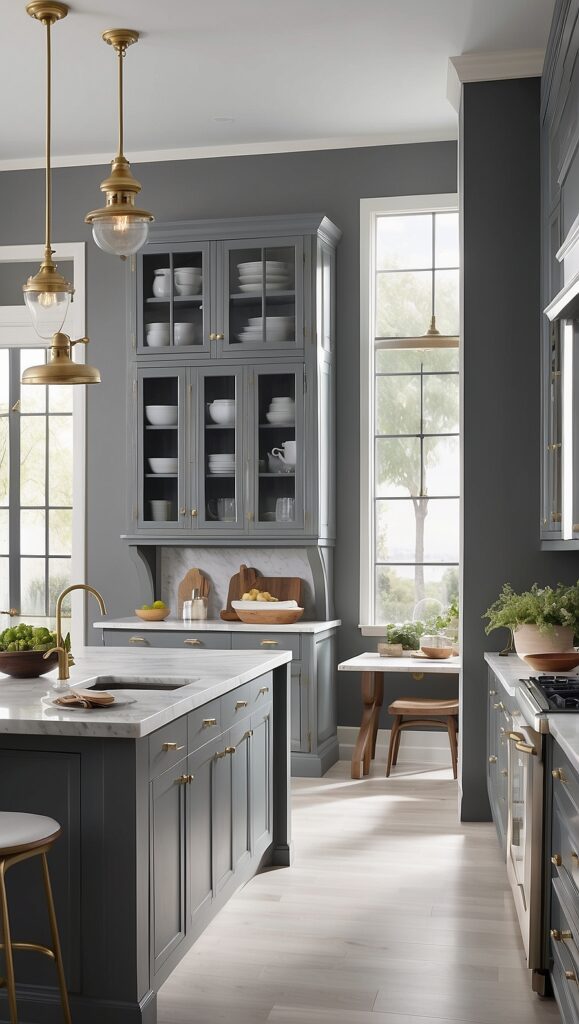
Trends come and go, but your home’s style is more enduring. To keep your kitchen aligned with the rest of your house:
- Use trends in easily changeable elements (paint, hardware, lighting).
- Keep major elements—cabinets, countertops, layout—timeless.
- Avoid ultra-trendy designs that clash with your home’s established aesthetic.
This approach ensures your kitchen ages gracefully alongside the rest of your home.
10. Personalize Without Breaking Cohesion
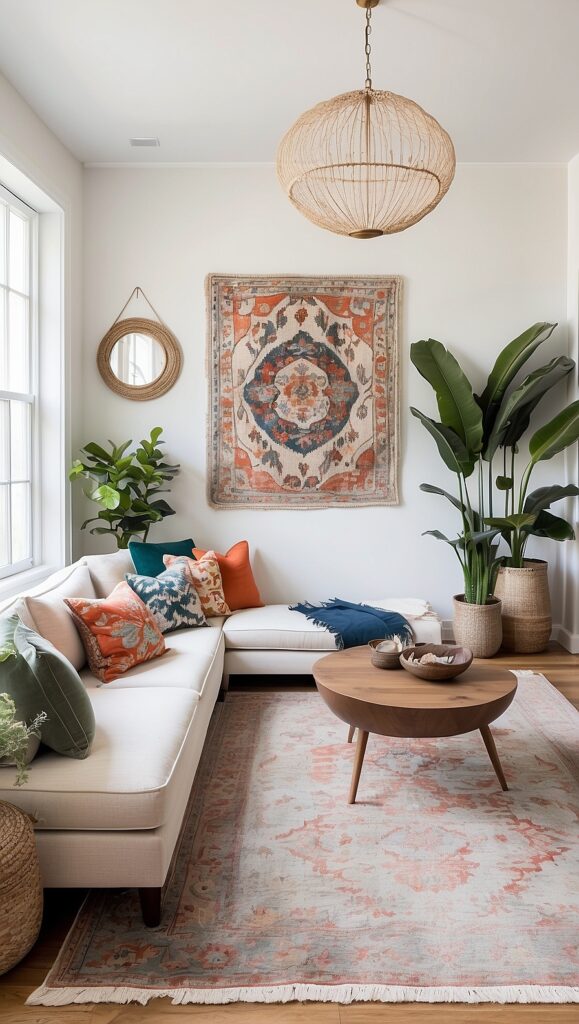
Your kitchen should reflect you, but personalization should feel intentional.
Ways to personalize while staying cohesive:
- Display art or décor that matches your home’s style.
- Use textiles (rugs, cushions) that echo colors from nearby rooms.
- Add greenery or natural elements used throughout the house.
Personal touches work best when they feel curated rather than random.
Conclusion: Designing with Harmony in Mind
Ensuring your kitchen design complements the overall style of your home is all about intentional choices. By respecting your home’s architecture, maintaining a consistent color palette, repeating materials and finishes, and aligning details like cabinetry, lighting, and layout, your kitchen becomes a seamless part of the whole—not a standalone space.
A well-designed kitchen doesn’t scream for attention. Instead, it quietly supports the flow, beauty, and functionality of your home. When everything works together, the result is a space that feels cohesive, welcoming, and timeless—one you’ll enjoy for years to come.
If you’d like, I can also help you:
- Match a kitchen style to a specific home type
- Create a room-to-room color flow plan