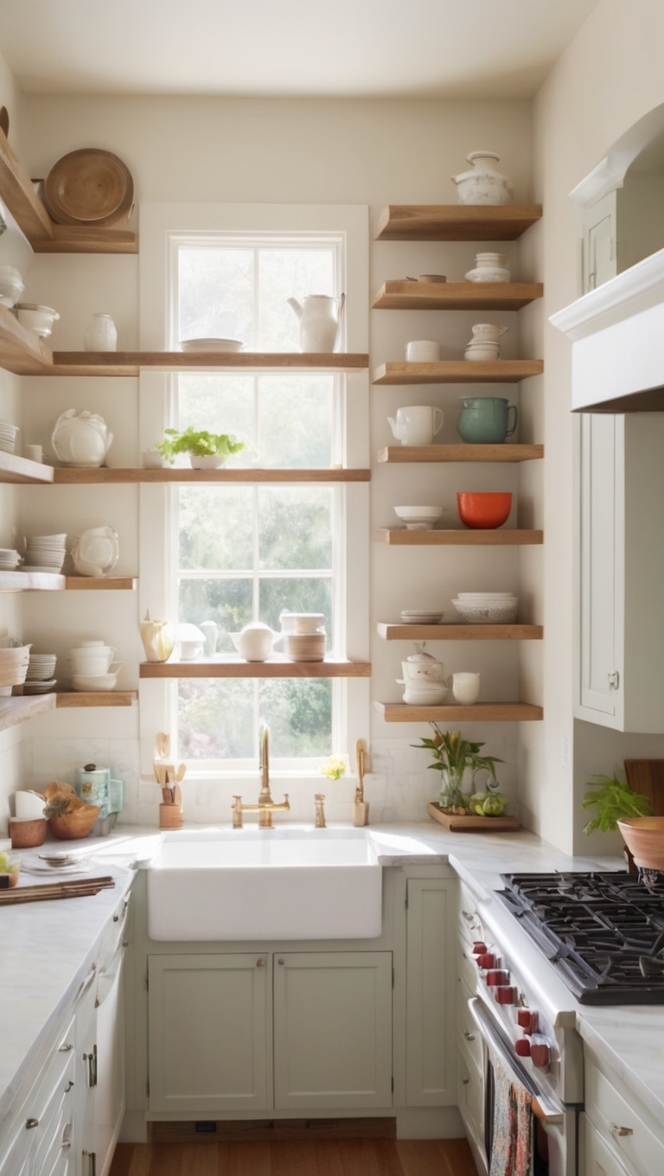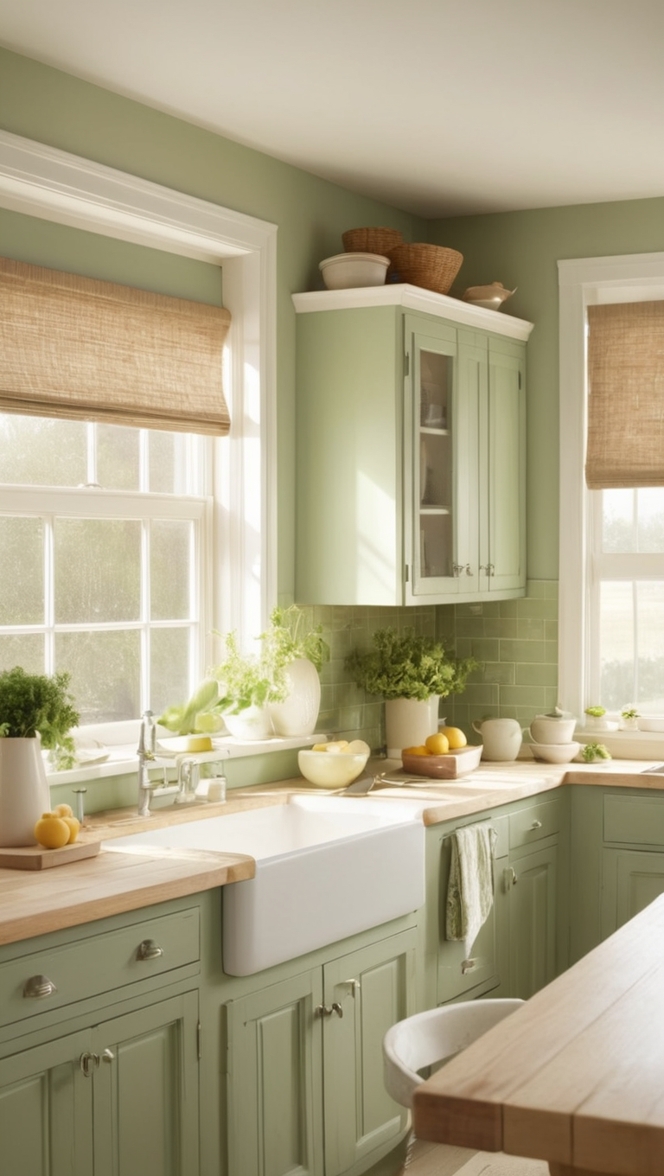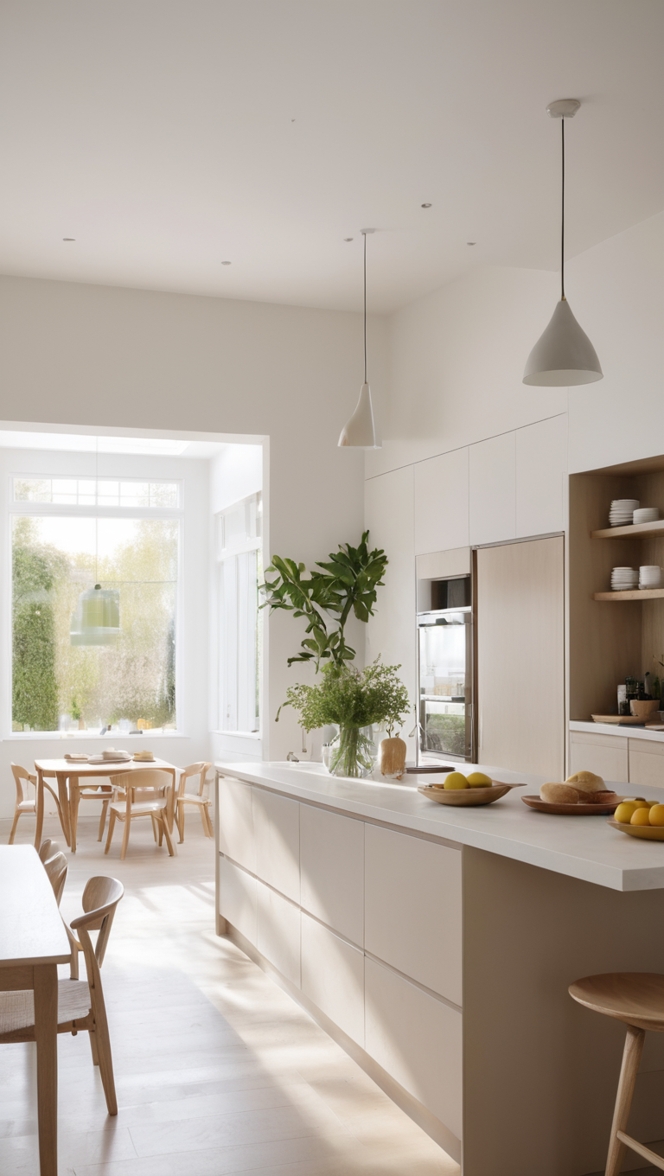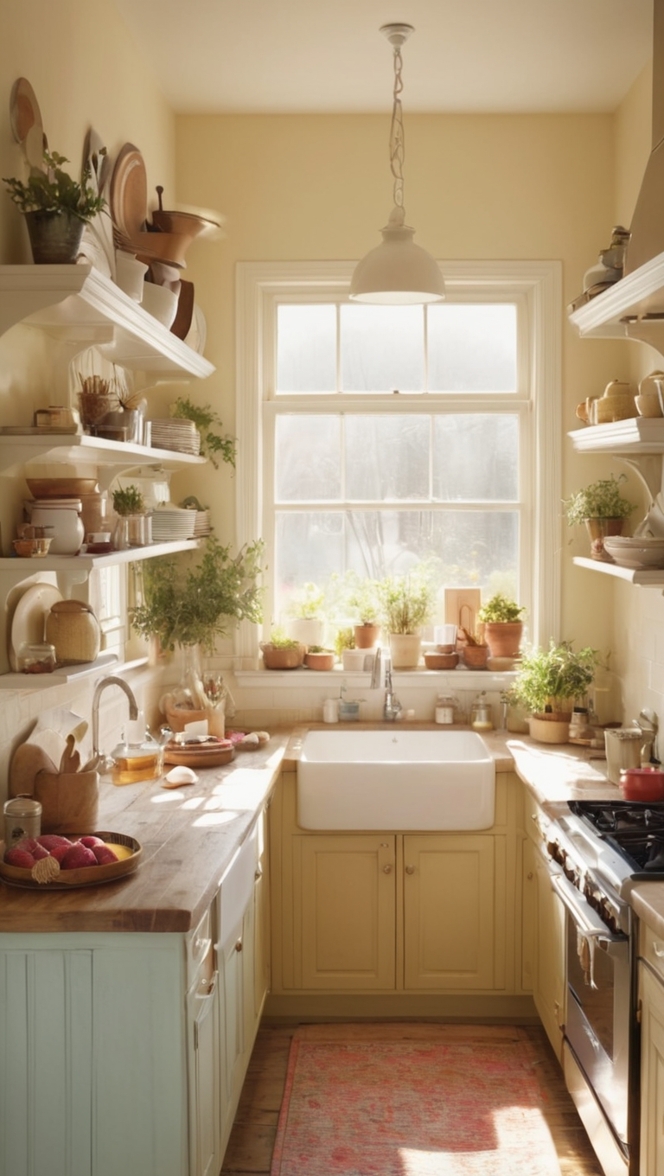
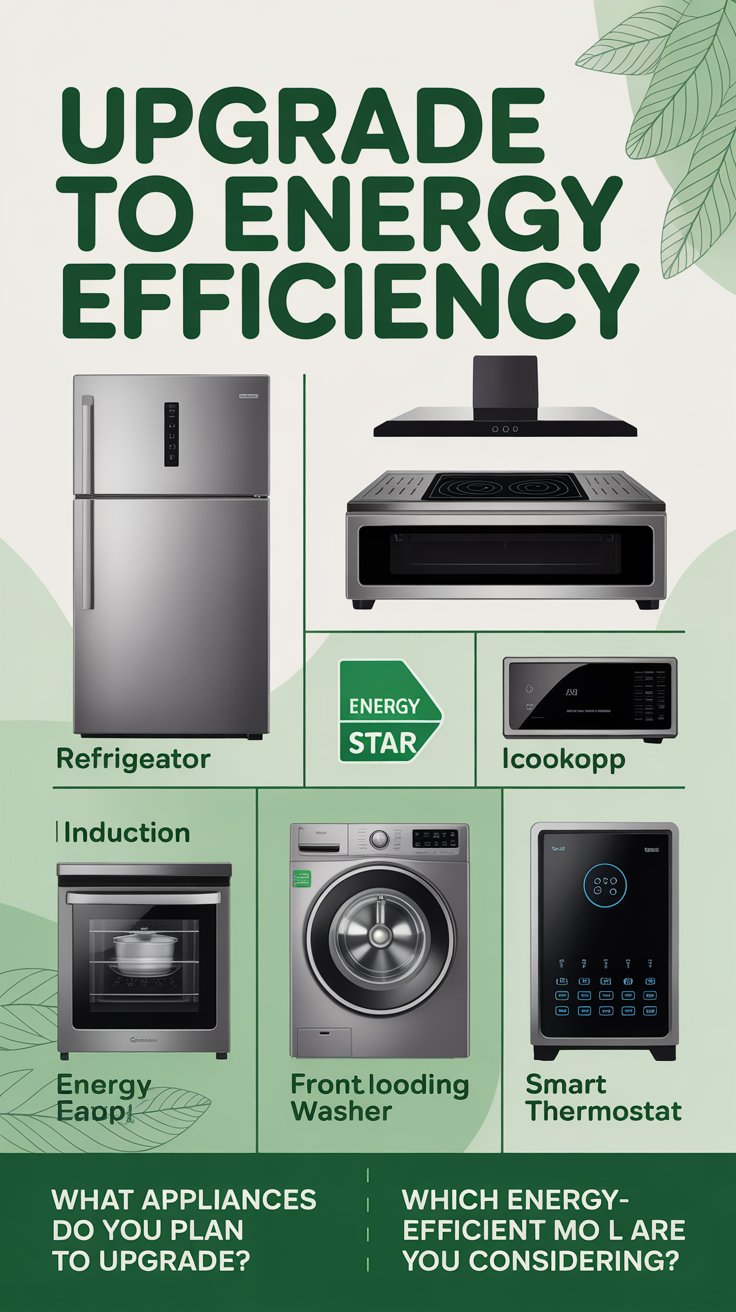
Upgrading home appliances is one of the smartest ways to improve comfort, reduce monthly utility bills, and lower your environmental impact. Today’s energy-efficient appliances are designed to deliver better performance while using less electricity, gas, and water. Below is a detailed, 1200-word guide exploring which appliances are worth upgrading and the most energy-efficient options to consider for a modern, sustainable home.
Why Upgrading to Energy-Efficient Appliances Matters
Older appliances often consume significantly more energy than newer models. Advances in technology, stricter efficiency standards, and innovative designs mean that modern appliances can cut energy usage by 20–50% or more compared to units made 10–15 years ago.
Key benefits include:
- Lower utility bills over time
- Reduced carbon footprint
- Improved performance and features
- Quieter operation
- Increased home value
When planning upgrades, focusing on high-energy-use appliances delivers the biggest return on investment.
1. Refrigerator: A Top Priority Upgrade
Why Upgrade?
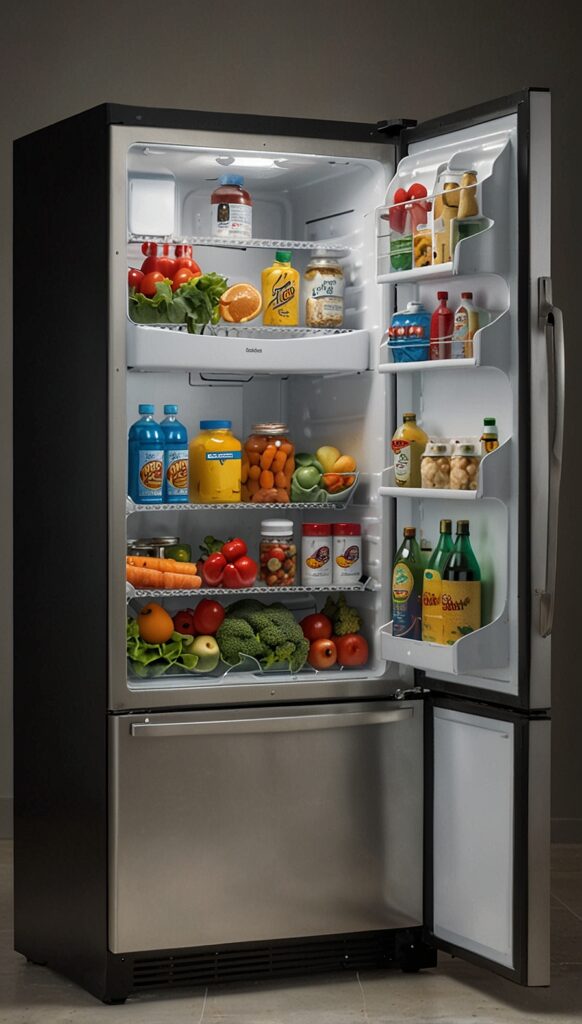
Refrigerators run 24/7, making them one of the largest energy consumers in your home. Older models can use twice as much electricity as newer energy-efficient versions.
Energy-Efficient Features to Look For
- ENERGY STAR® certification
- High-efficiency compressors
- Improved insulation
- Inverter technology for stable cooling
Best Energy-Efficient Options
- Top-freezer refrigerators (most efficient design)
- Models with adaptive defrost
- Smart refrigerators that optimize energy use based on usage patterns
Energy savings: Up to 40% compared to older units.
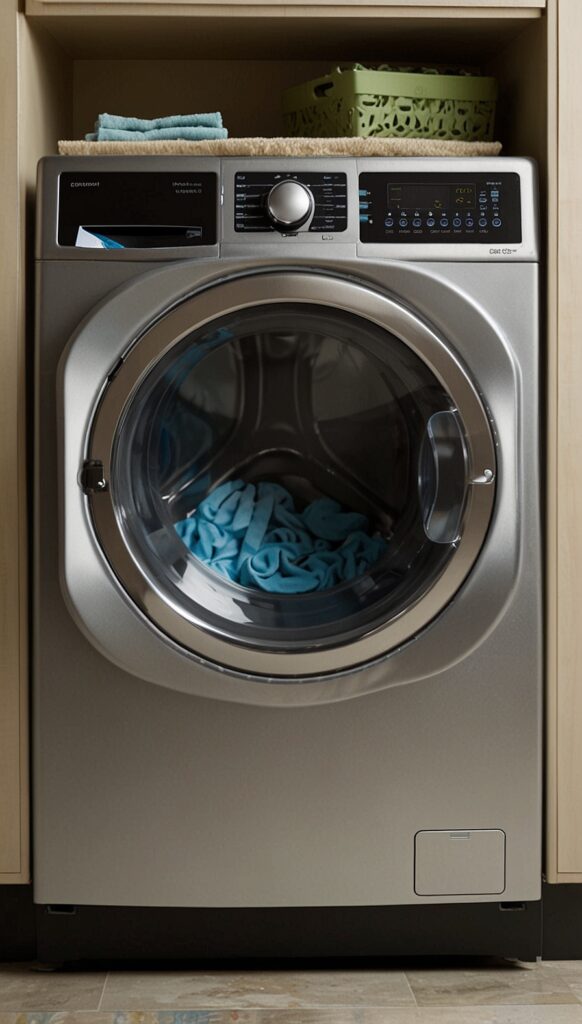
2. Washing Machine: High Impact, High Savings
Why Upgrade?
Traditional top-loading washers use large amounts of water and electricity. Newer machines clean better with less water and energy.
Energy-Efficient Features
- Front-load or high-efficiency top-load design
- ENERGY STAR® rating
- Low water consumption per cycle
- High spin speeds to reduce drying time
Recommended Options
- Front-load washers (use up to 50% less water)
- Smart washers with load-sensing technology
Bonus: Less water usage also means reduced water heating costs.
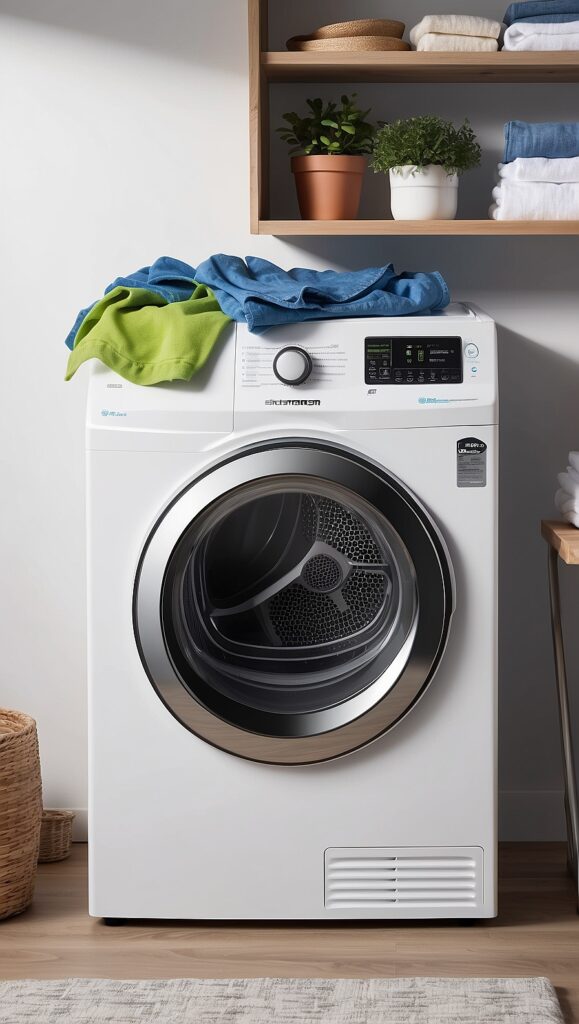
3. Dryer: Efficiency Beyond Heat
Why Upgrade?
Dryers consume a lot of electricity, especially older vented models.
Energy-Efficient Dryer Types
- Heat pump dryers (most efficient)
- Condenser dryers with moisture sensors
- ENERGY STAR® certified electric dryers
Key Features
- Automatic moisture sensors
- Lower-temperature drying cycles
- Reversible drum action for even drying
Energy savings: Heat pump dryers can use up to 60% less energy than conventional dryers.
4. Dishwasher: Quiet, Clean, and Efficient
Why Upgrade?
Modern dishwashers are far more efficient than hand washing and older models.
What Makes a Dishwasher Energy-Efficient?
- ENERGY STAR® certification
- Soil sensors that adjust cycle length
- Low water consumption (as little as 3 gallons per cycle)
- Efficient drying systems (air-dry or condensation drying)
Best Choices
- Built-in ENERGY STAR® dishwashers
- Models with eco or auto cycles
Extra benefit: Reduced water usage protects plumbing and saves money.
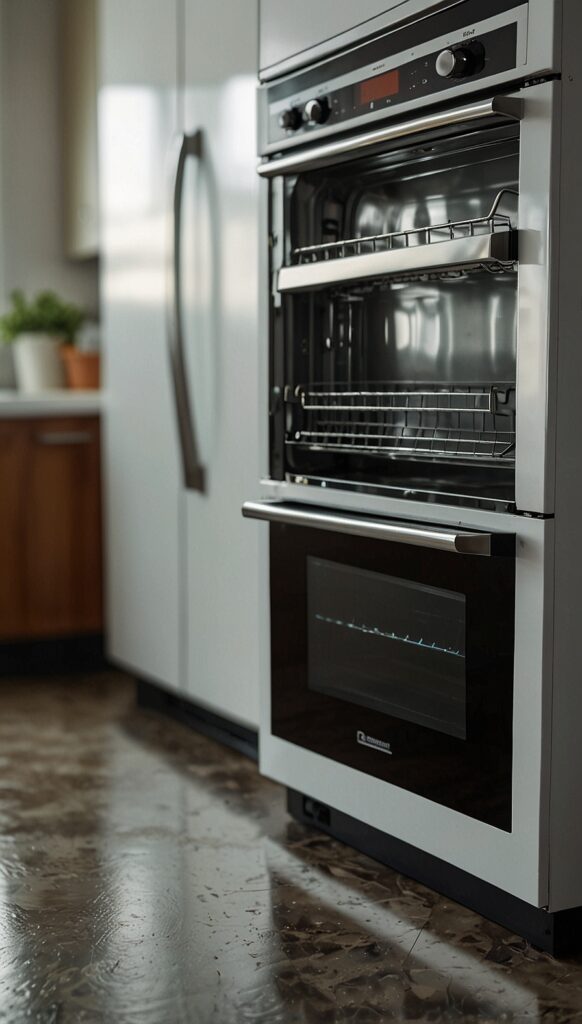
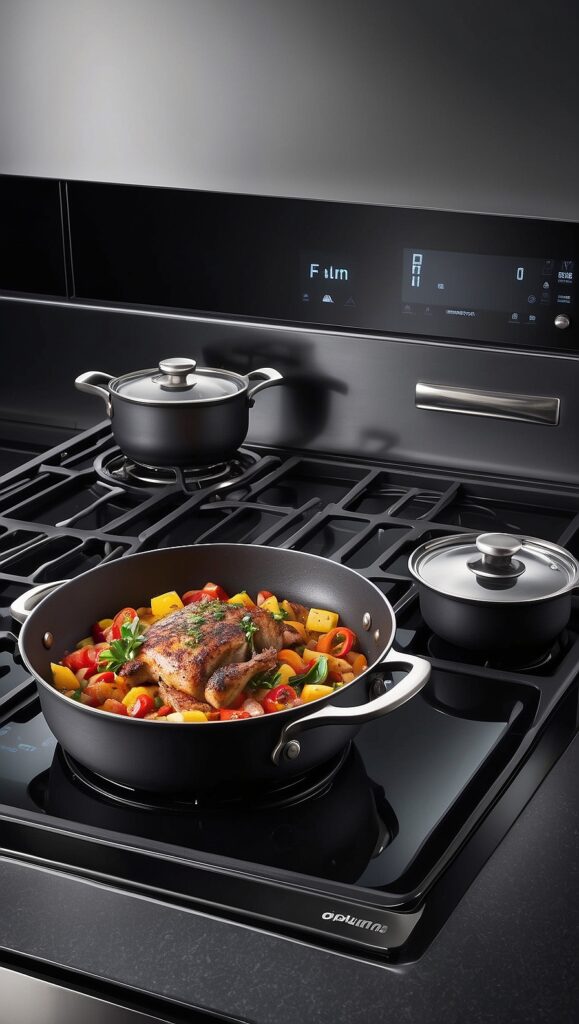
5. Oven and Cooktop: Smarter Cooking Choices
Why Upgrade?
Cooking appliances vary widely in efficiency depending on technology.
Most Energy-Efficient Options
- Induction cooktops (fastest and most efficient)
- Convection ovens with fans for even heat distribution
- ENERGY STAR® certified electric ovens
Why Induction Wins
- Heats cookware directly
- Minimal heat loss
- Faster cooking times
Efficiency tip: Induction cooking is up to 85–90% efficient compared to gas at about 40%.
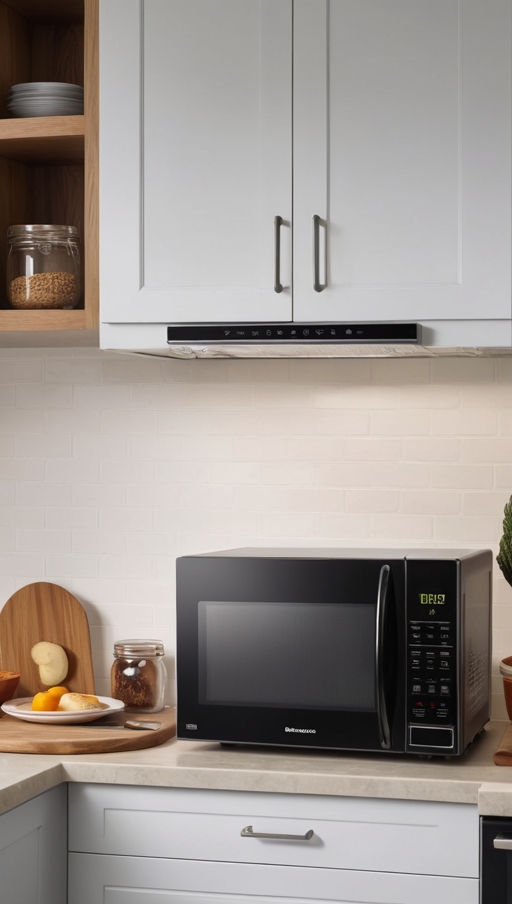
6. Microwave: Small Appliance, Smart Upgrade
Why Upgrade?
While not the biggest energy consumer, microwaves are highly efficient for reheating and small cooking tasks.
Energy-Efficient Features
- Inverter technology
- Eco mode
- Automatic shut-off
Using a microwave instead of an oven for small meals can significantly reduce energy use.
7. Air Conditioner: Major Energy Saver
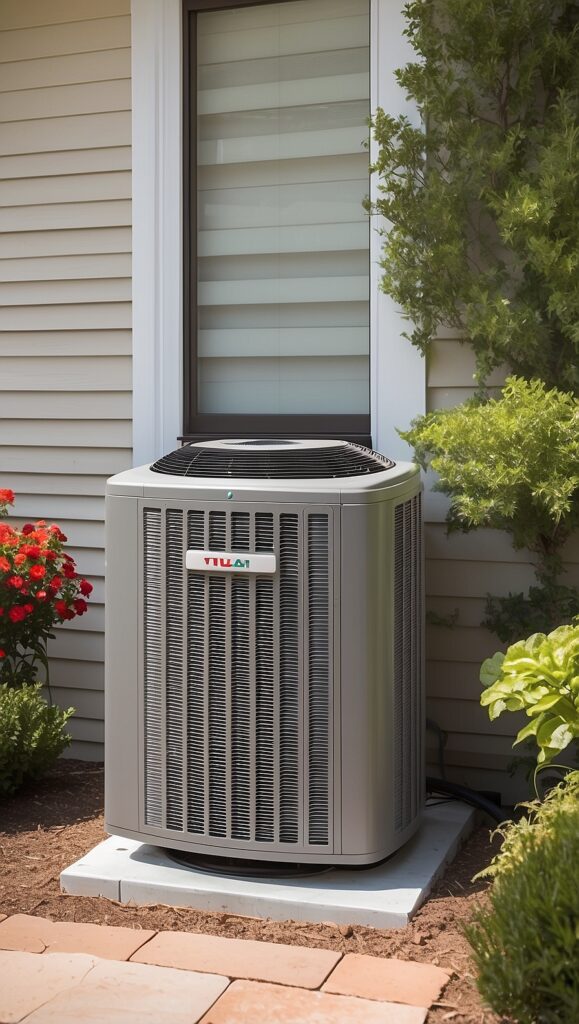
Why Upgrade?
Cooling can account for a large portion of summer energy bills.
Energy-Efficient AC Options
- Inverter air conditioners
- High SEER (Seasonal Energy Efficiency Ratio) ratings
- Smart thermostats and zoning systems
Best Choices
- Split AC systems with inverter technology
- ENERGY STAR® certified window units for smaller spaces
Potential savings: Up to 30–50% on cooling costs.
8. Water Heater: Hidden Energy Hog
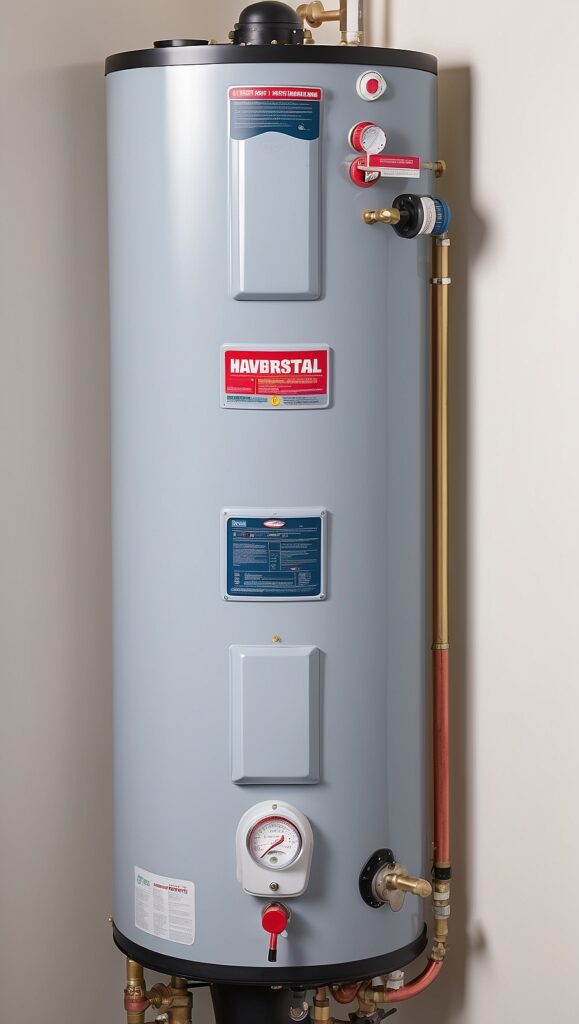
Why Upgrade?
Water heating is often the second-largest energy expense in a home.
Most Energy-Efficient Water Heaters
- Heat pump water heaters
- Tankless (on-demand) water heaters
- Solar water heaters (where feasible)
Benefits
- Heat pump models use up to 60% less energy
- Tankless heaters eliminate standby heat loss
9. Lighting Appliances: Don’t Overlook the Basics
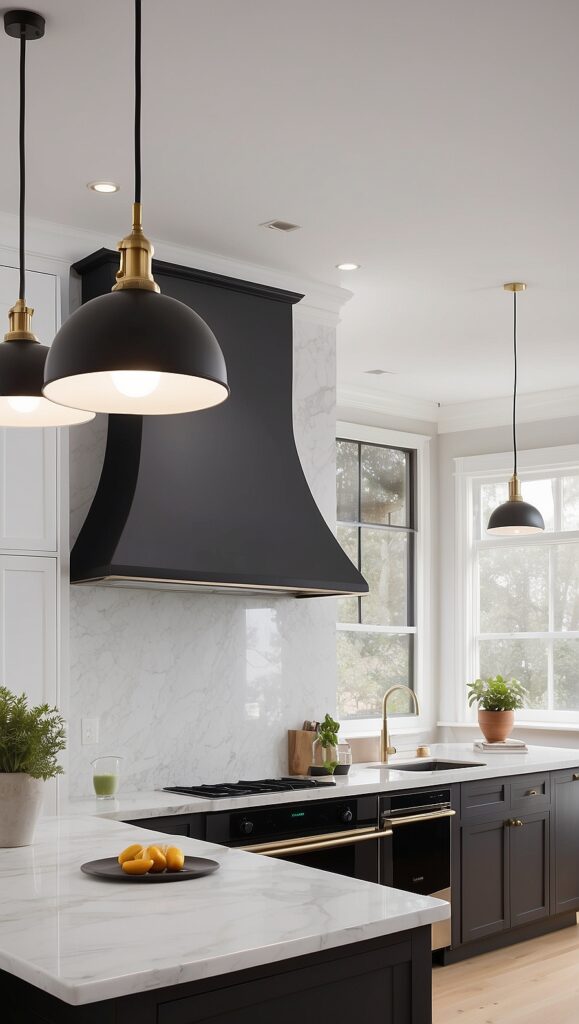
Why Upgrade?
Lighting affects overall household energy consumption more than many realize.
Energy-Efficient Choices
- LED bulbs (use up to 85% less energy)
- Smart lighting systems
- Motion sensors and dimmers
LEDs last longer and reduce replacement costs.
10. Smart Home Integration for Maximum Efficiency
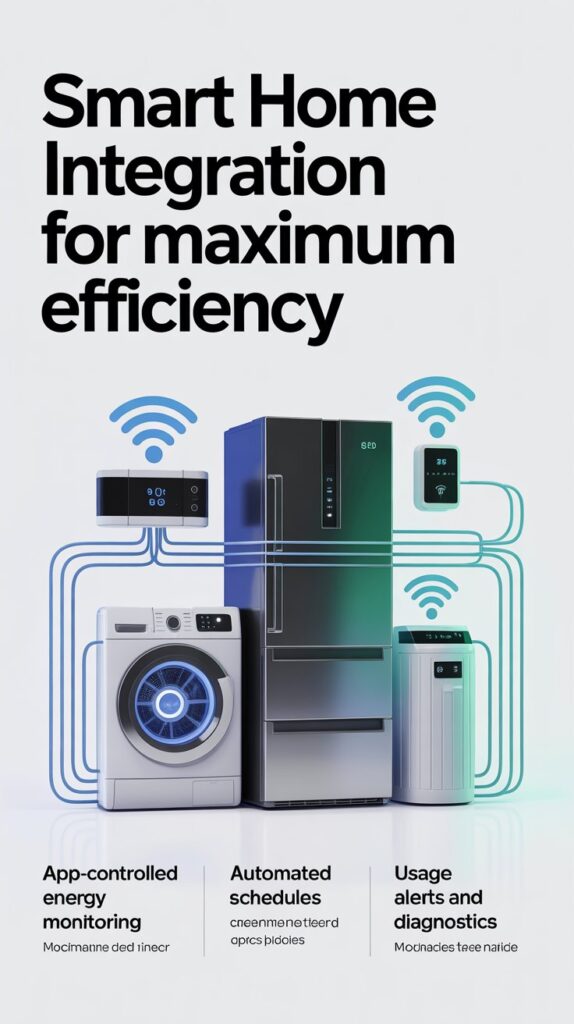
Upgrading appliances is even more powerful when combined with smart technology.
Smart Features to Consider
- App-controlled energy monitoring
- Automated schedules
- Usage alerts and diagnostics
Smart appliances help optimize energy use by running during off-peak hours and avoiding unnecessary operation.
How to Choose the Right Energy-Efficient Appliances
When planning upgrades, consider:
- ENERGY STAR® rating
- Annual energy consumption labels
- Size appropriate to your household
- Long-term operating costs, not just purchase price
- Warranty and reliability
A slightly higher upfront cost often pays for itself through lower energy bills within a few years.
Environmental Impact of Energy-Efficient Appliances
Switching to energy-efficient appliances:
- Reduces greenhouse gas emissions
- Conserves water and natural resources
- Supports sustainable manufacturing practices
Collectively, these upgrades contribute to a cleaner, healthier environment.
Conclusion
Upgrading home appliances with energy-efficient models is a practical and future-focused investment. From refrigerators and washing machines to air conditioners and water heaters, modern appliances offer superior performance while dramatically reducing energy and water consumption. Prioritizing ENERGY STAR® certified products, inverter technology, and smart features ensures long-term savings, increased comfort, and environmental responsibility.
By carefully planning which appliances to upgrade and selecting energy-efficient options tailored to your household’s needs, you create a home that is not only more efficient but also more comfortable, cost-effective, and sustainable for years to come.