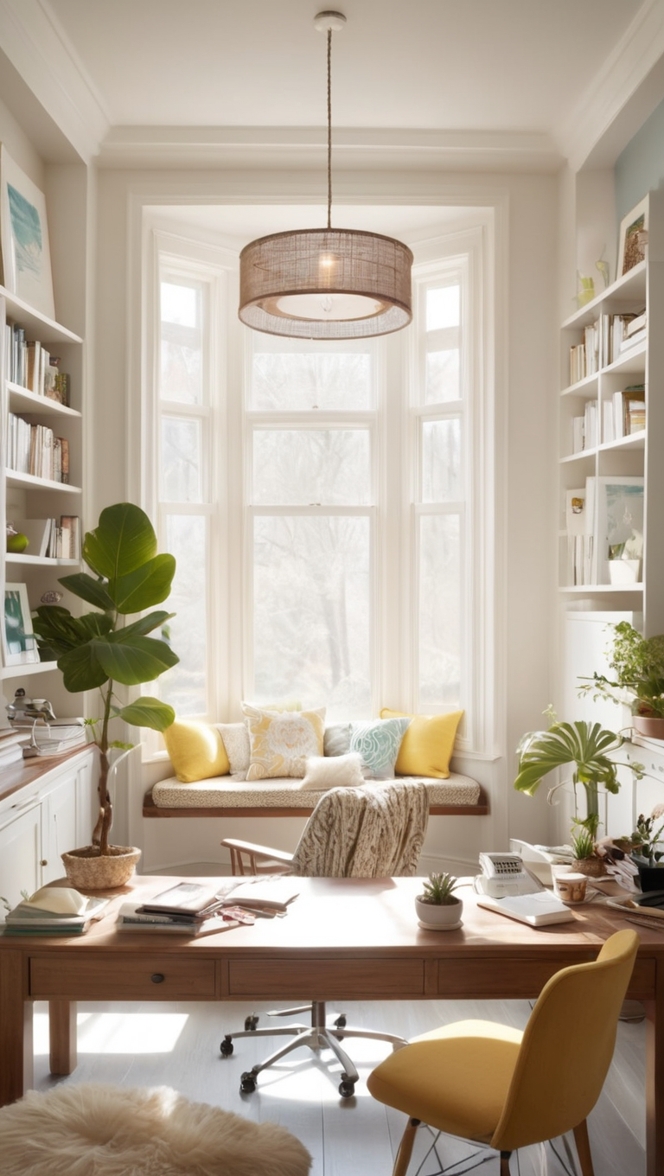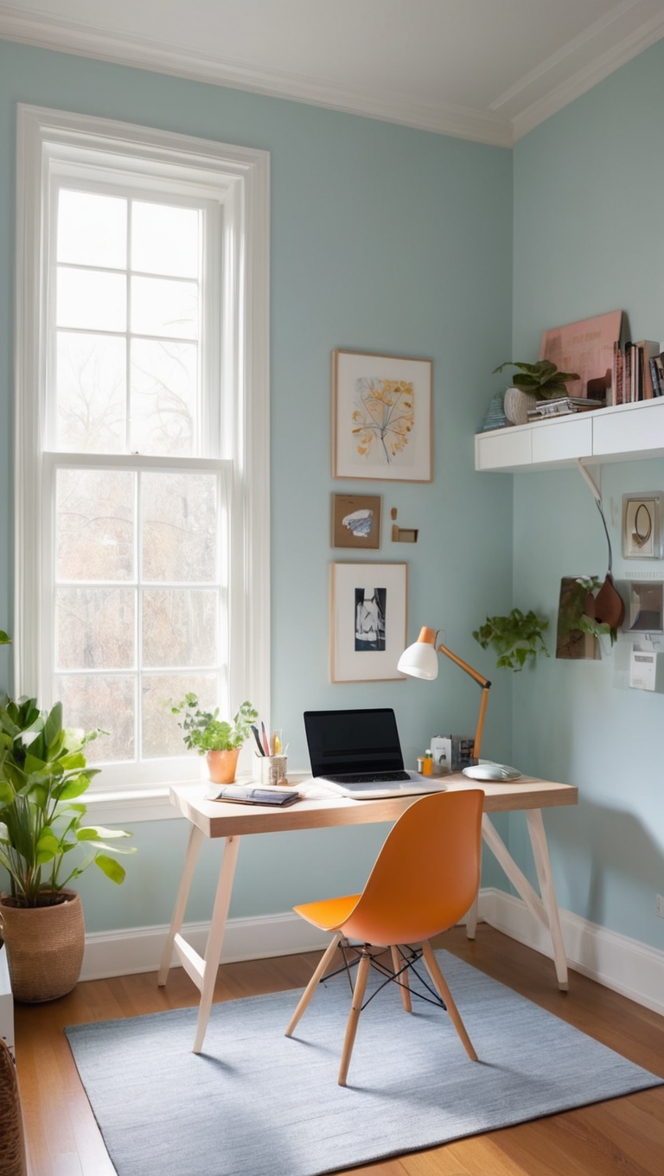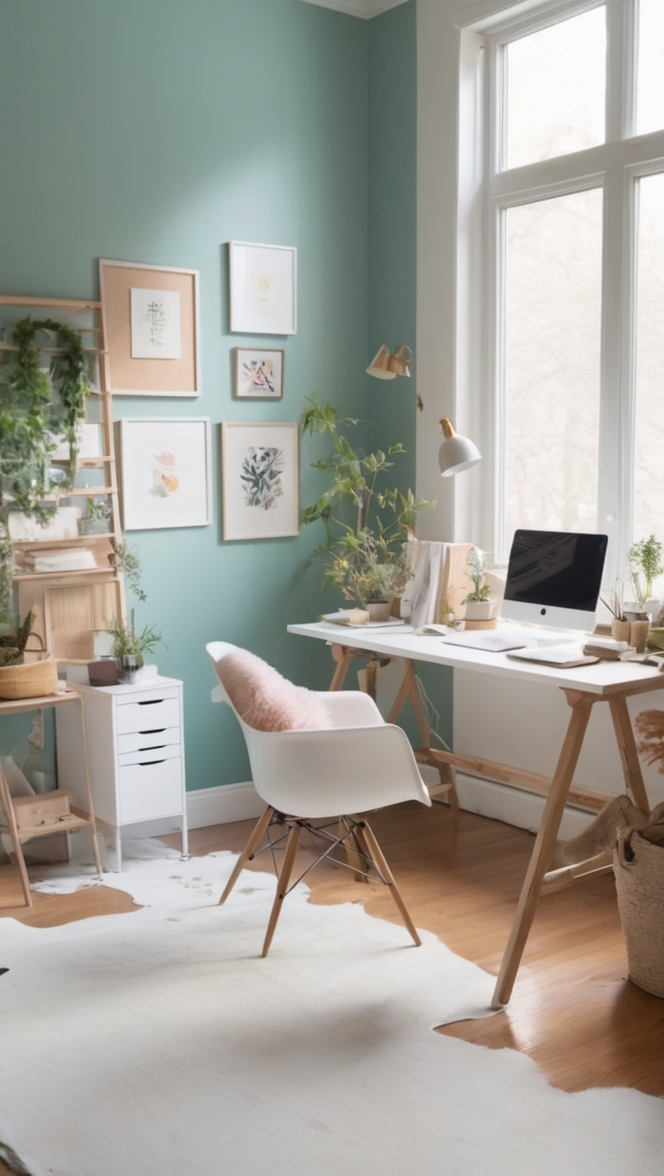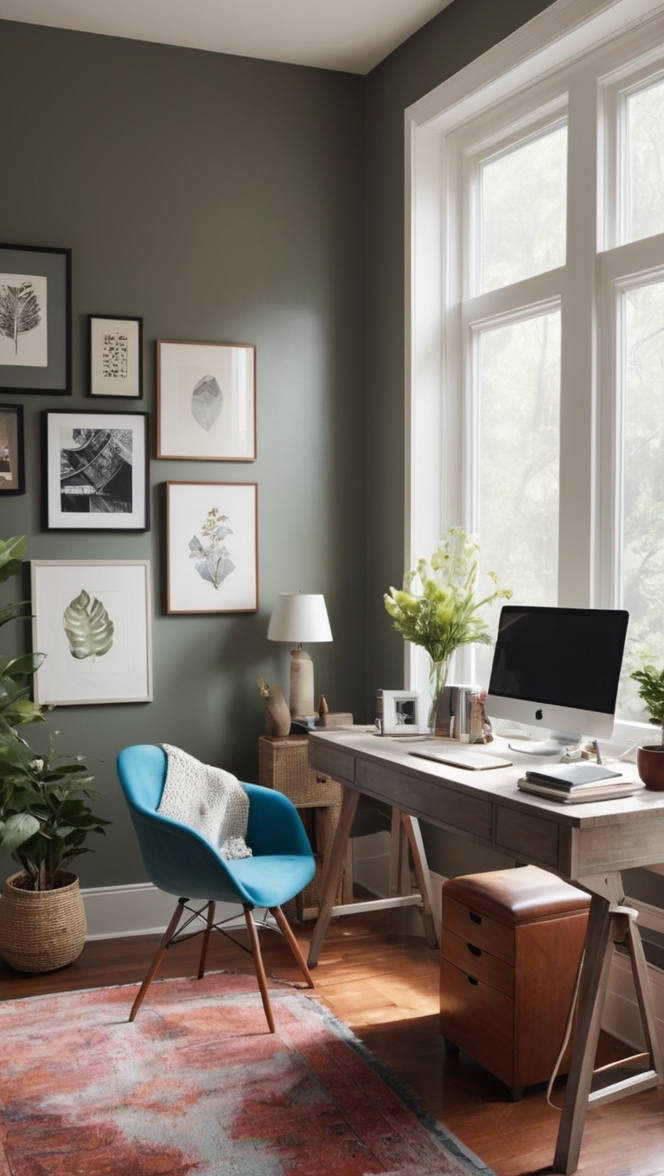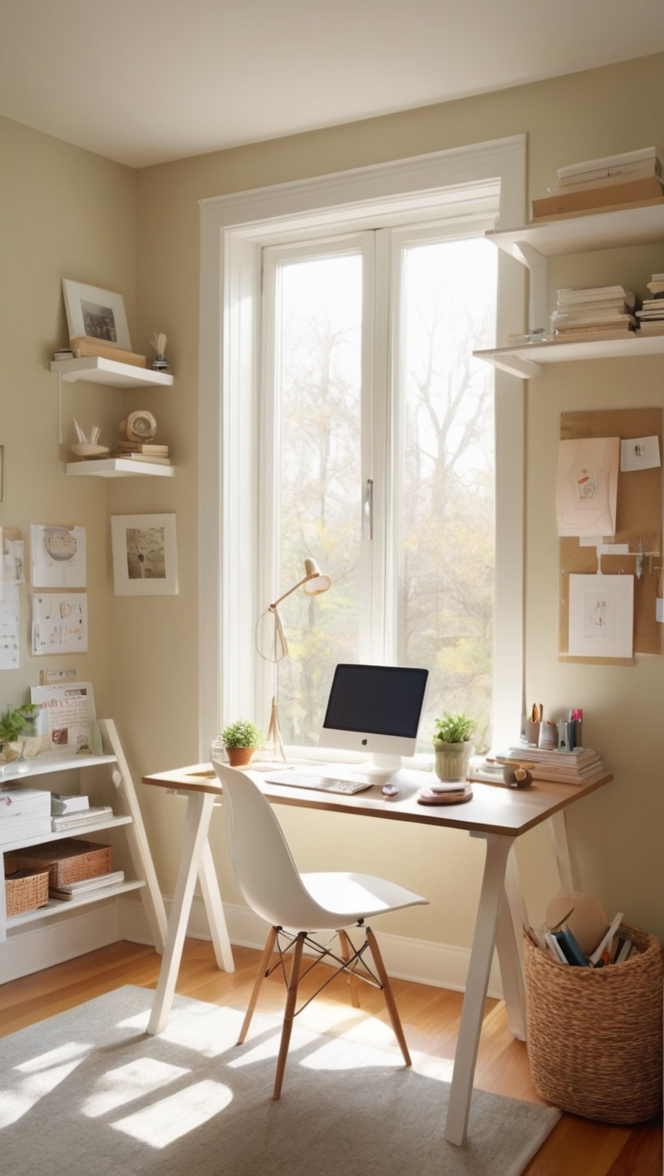
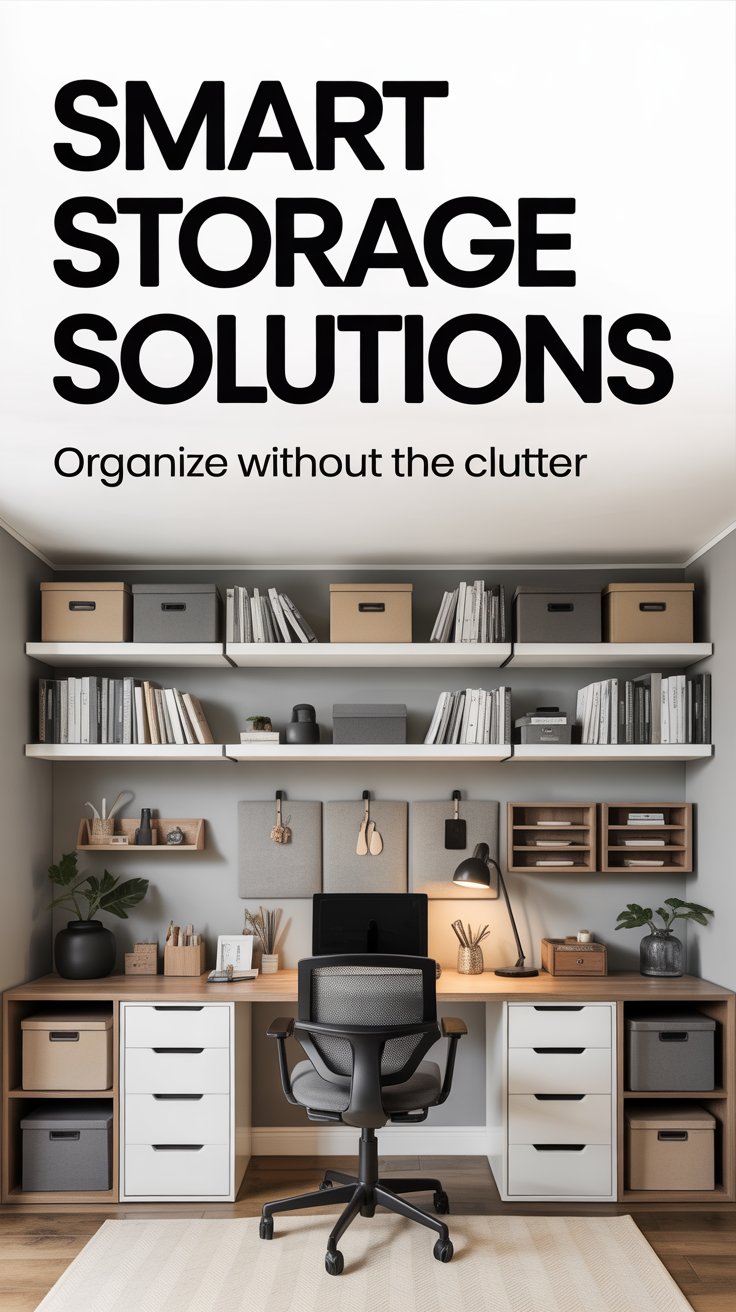
Creating a functional home office is about striking the perfect balance between storage and simplicity. Too little storage leads to chaos, while too much—or poorly planned—storage can make your workspace feel cramped and cluttered. The key is to incorporate smart, intentional storage solutions that keep essentials organized without overwhelming your space. Below is a detailed, practical guide on how to add storage to your home office while maintaining a clean, calm, and productive environment.
1. Start With a Decluttering Strategy
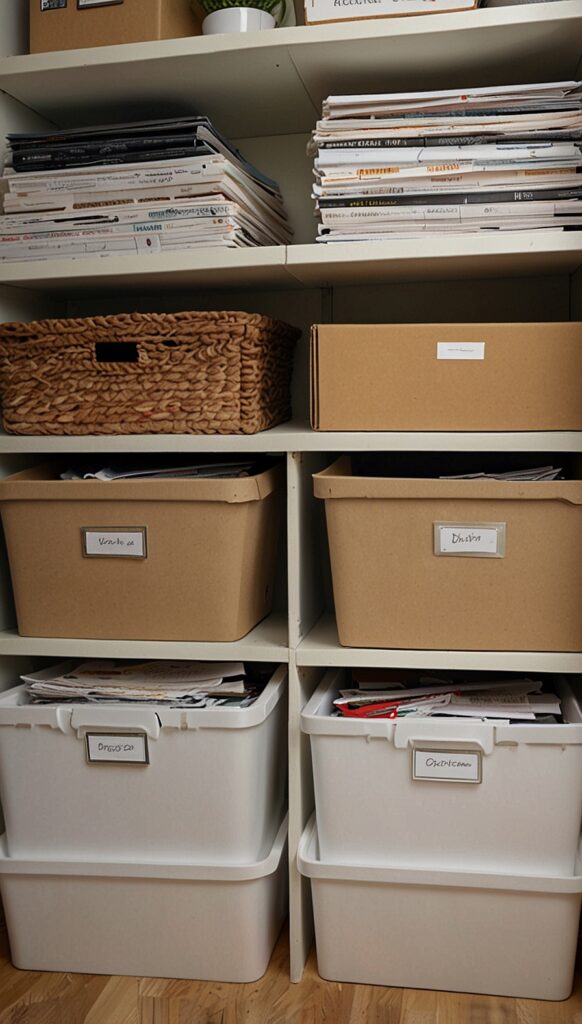
Before adding any storage, assess what you truly need in your home office. Keeping unnecessary items—old paperwork, unused gadgets, or duplicate supplies—creates visual noise no storage solution can fix.
How to declutter effectively:
- Sort items into keep, store elsewhere, donate, or discard
- Digitize documents whenever possible
- Keep only daily-use items within arm’s reach
A decluttered foundation ensures that any storage you add serves a purpose rather than hiding excess.
2. Choose Vertical Storage to Save Floor Space
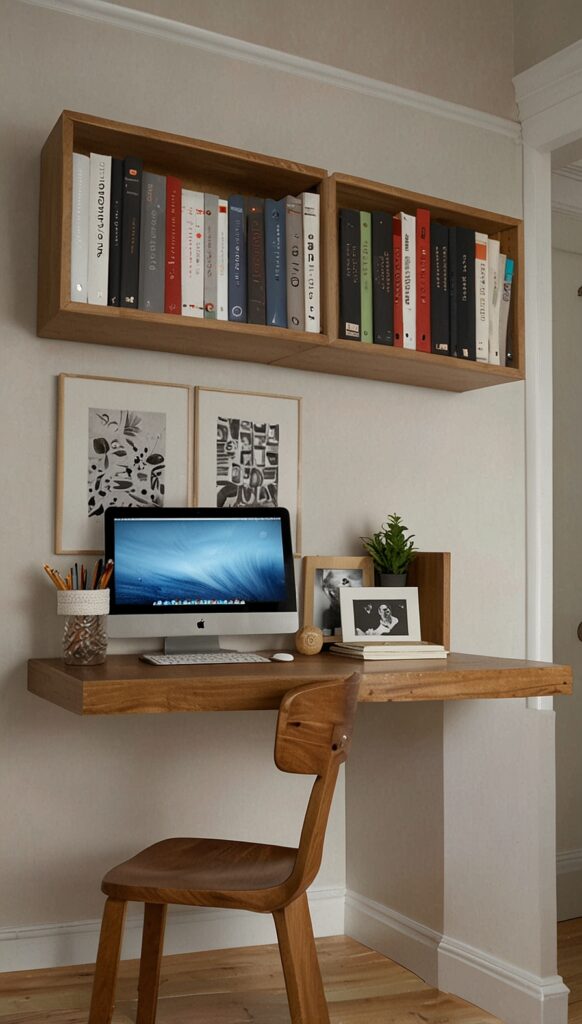
One of the best ways to add storage without cluttering is to think vertically. Walls are often underutilized in home offices, yet they offer valuable storage potential.
Vertical storage ideas:
- Floating shelves above the desk
- Wall-mounted cabinets with clean lines
- Pegboards for supplies and tools
- Tall, slim bookcases
Vertical solutions draw the eye upward, freeing floor space and keeping the room feeling open and airy.
3. Use Built-In and Custom Storage
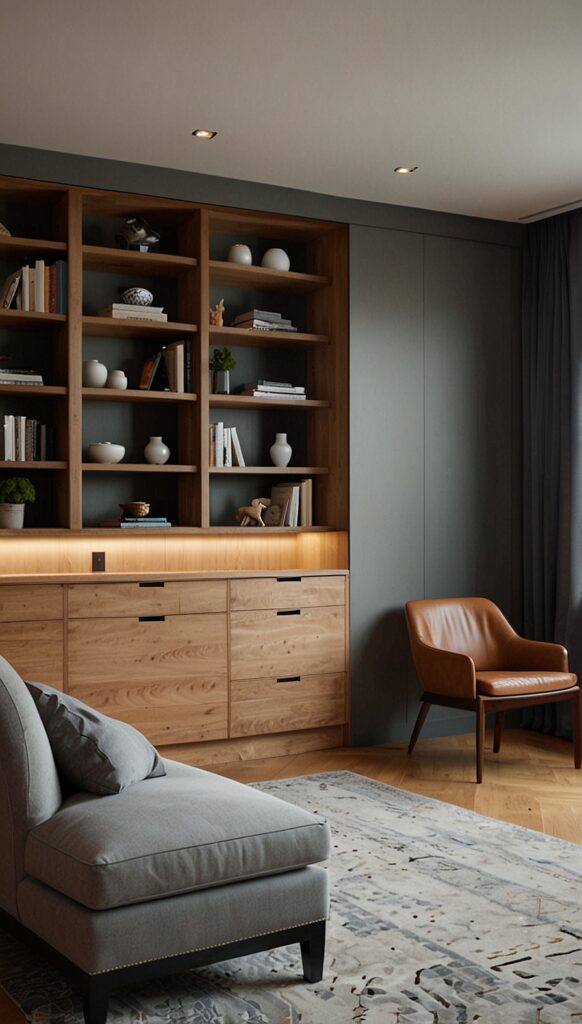
Built-in storage creates a seamless look that blends into the room rather than standing out as bulky furniture. While custom solutions may require a higher upfront investment, they pay off in long-term functionality and aesthetics.
Smart built-in options:
- Floor-to-ceiling shelving
- Desk units with integrated drawers
- Recessed wall cabinets
- Window-seat storage benches
Built-ins reduce visual clutter by creating clean, cohesive surfaces and eliminating gaps where clutter usually accumulates.
4. Opt for Multi-Functional Furniture
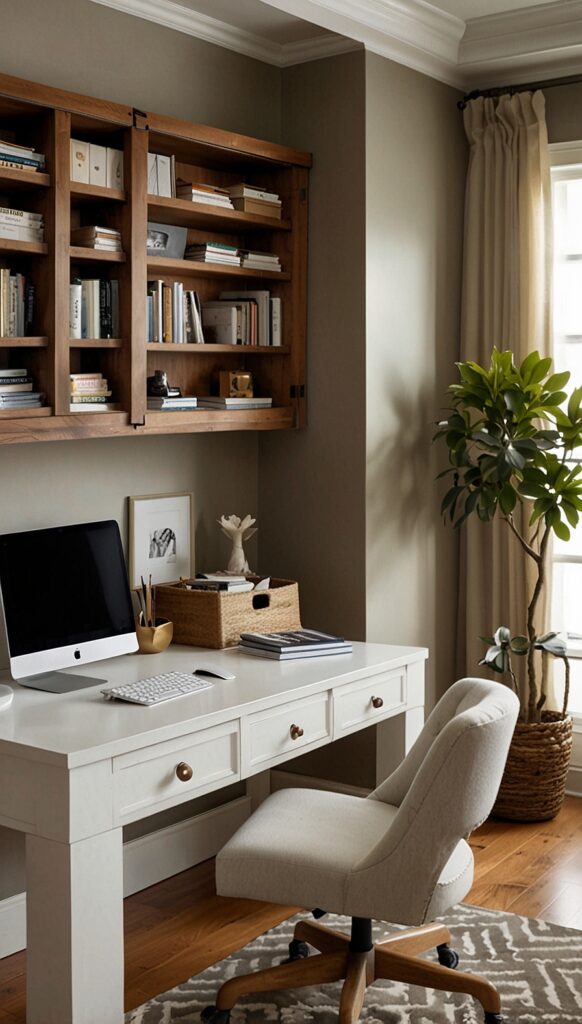
In a home office, every piece of furniture should work hard. Multi-functional furniture offers storage while maintaining a minimal footprint.
Furniture that doubles as storage:
- Desks with built-in drawers or shelves
- Storage ottomans for files or office supplies
- Filing cabinets that double as side tables
- Bookshelves with closed lower cabinets
These pieces provide hidden storage while preserving a streamlined appearance.
5. Incorporate Closed Storage for a Clean Look
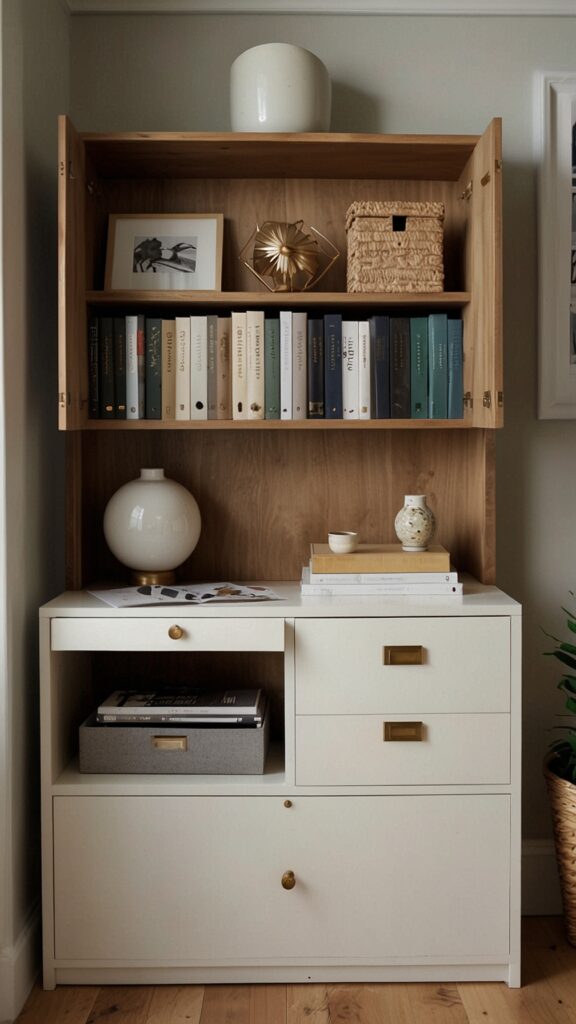
Open shelves are attractive but can quickly look messy if not carefully styled. Closed storage hides visual clutter and keeps your office looking polished.
Closed storage solutions:
- Drawer units
- Cabinets with doors
- Credenzas
- Lidded storage boxes
Use closed storage for items you don’t need to see daily, such as paperwork, cords, or backup supplies.
6. Keep Storage Color-Coordinated
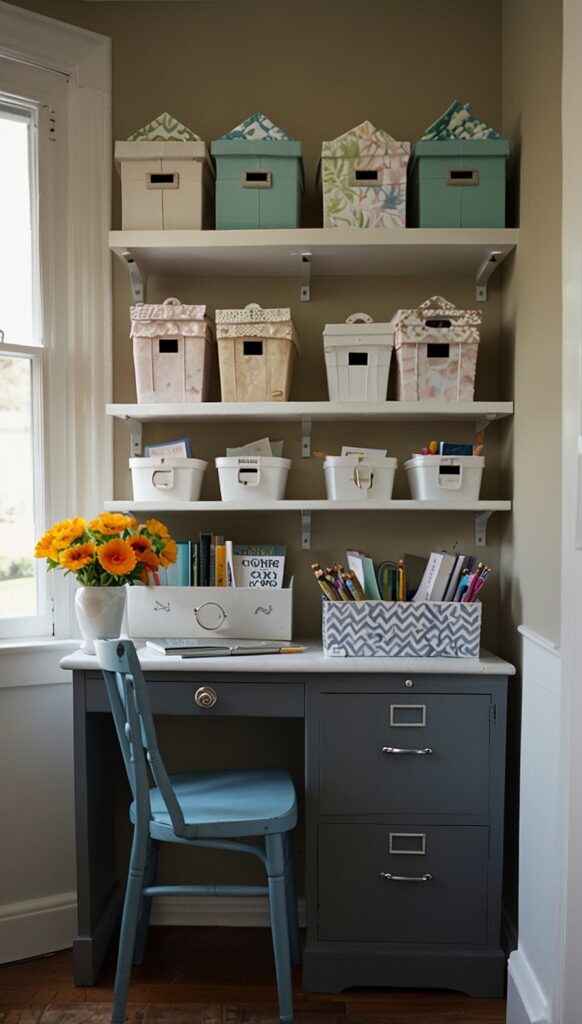
Visual clutter often comes from mismatched colors and materials. Keeping your storage cohesive helps the office feel calm and organized.
Tips for cohesive storage:
- Match storage colors to your walls or desk
- Use neutral tones like white, beige, gray, or wood
- Choose uniform storage boxes and file organizers
A consistent color palette allows storage to blend into the background rather than dominate the space.
7. Maximize Desk Organization Without Overcrowding
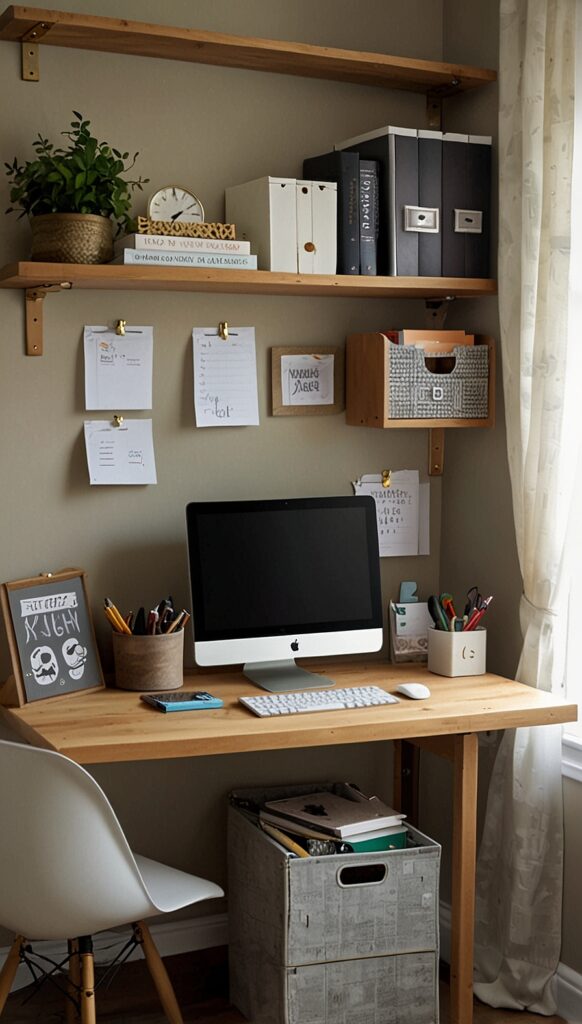
Your desk is the focal point of your home office, so keeping it tidy is essential. Desk storage should support productivity—not create distractions.
Minimal desk storage ideas:
- Drawer dividers
- Vertical file holders
- Under-desk drawers
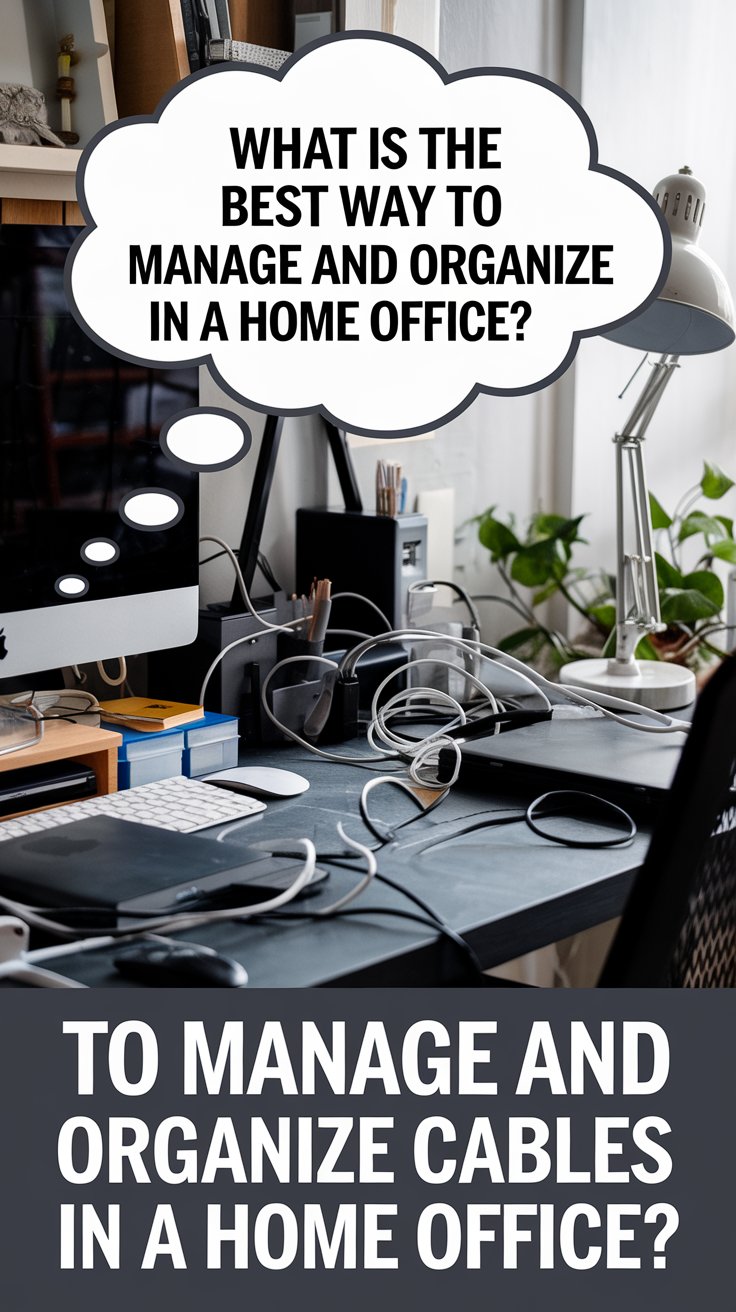
- Cable management trays
Limit desktop items to essentials only, such as a lamp, notebook, and one or two organizers.
8. Use Hidden and Underutilized Spaces
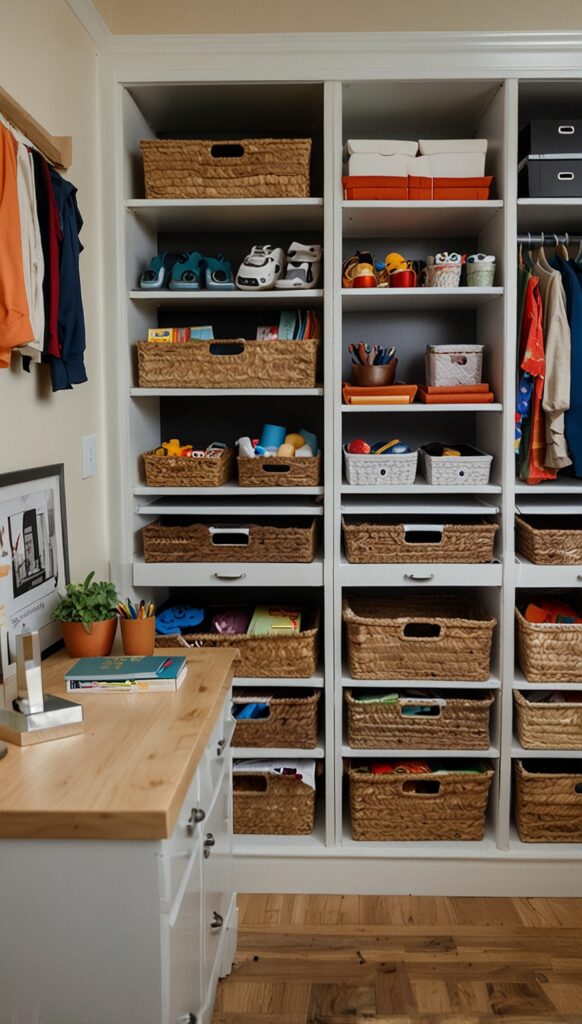
Hidden storage areas can significantly increase capacity without adding visual bulk.
Often-overlooked storage spots:
- Under the desk
- Behind doors
- Inside drawers with organizers
- Under shelves
For example, a rolling file cabinet under your desk provides easy access without occupying visible space.
9. Store by Frequency of Use
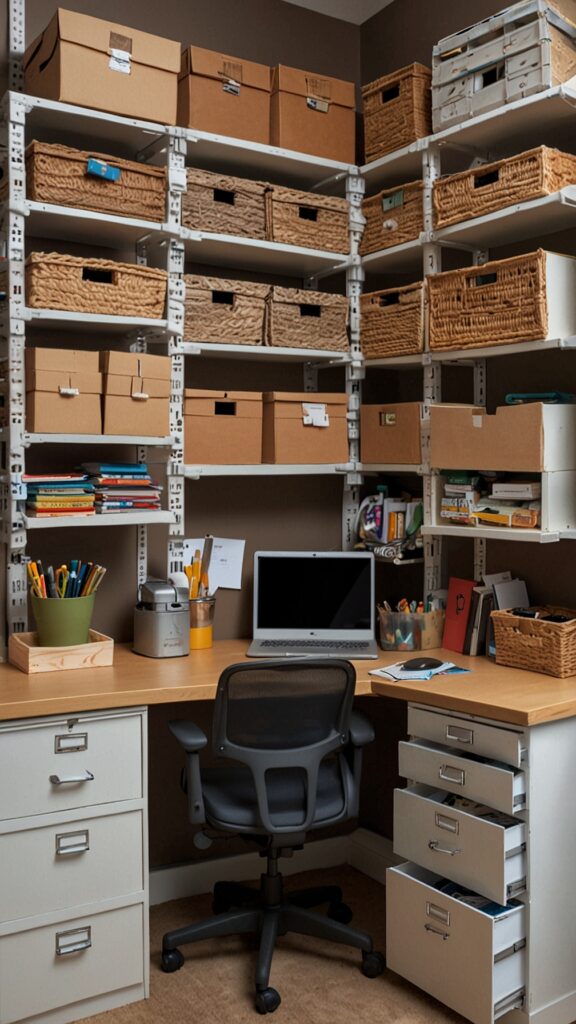
Organizing storage by how often you use items helps maintain order and prevents clutter from resurfacing.
Storage zones:
- Daily-use items: Desk drawers or nearby shelves
- Occasional items: Cabinets or higher shelves
- Rarely used items: Closed storage or labeled boxes
This approach keeps your workspace functional while maintaining a clean visual flow.
10. Use Smart Labeling and Categorization
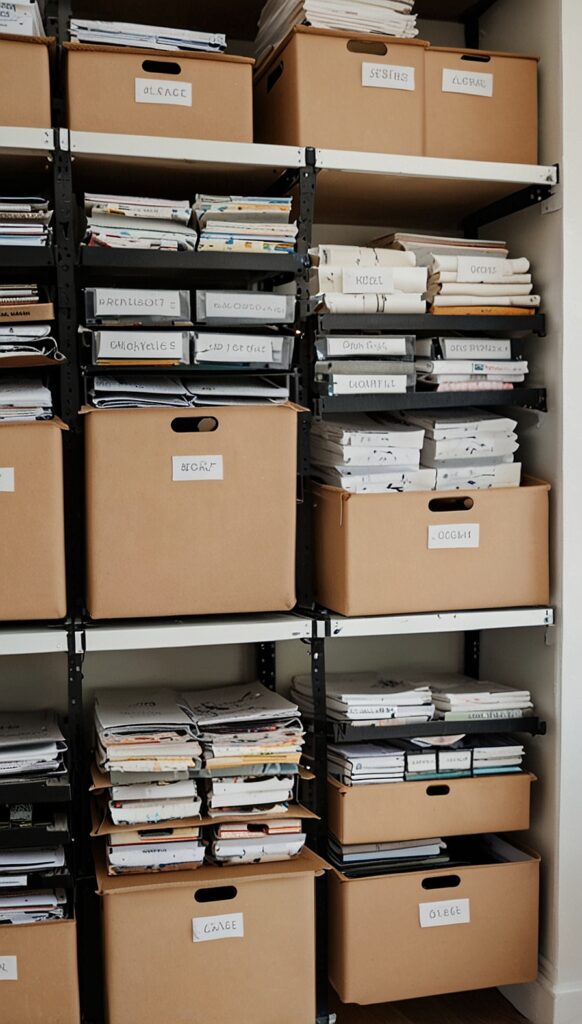
Labels may seem minor, but they prevent clutter from creeping back by making organization intuitive.
Labeling tips:
- Use subtle, minimalist labels
- Categorize files clearly
- Label storage boxes on the inside or underside for a clean look
Knowing exactly where everything belongs eliminates piles and guesswork.
11. Embrace Minimalist Shelving Styling
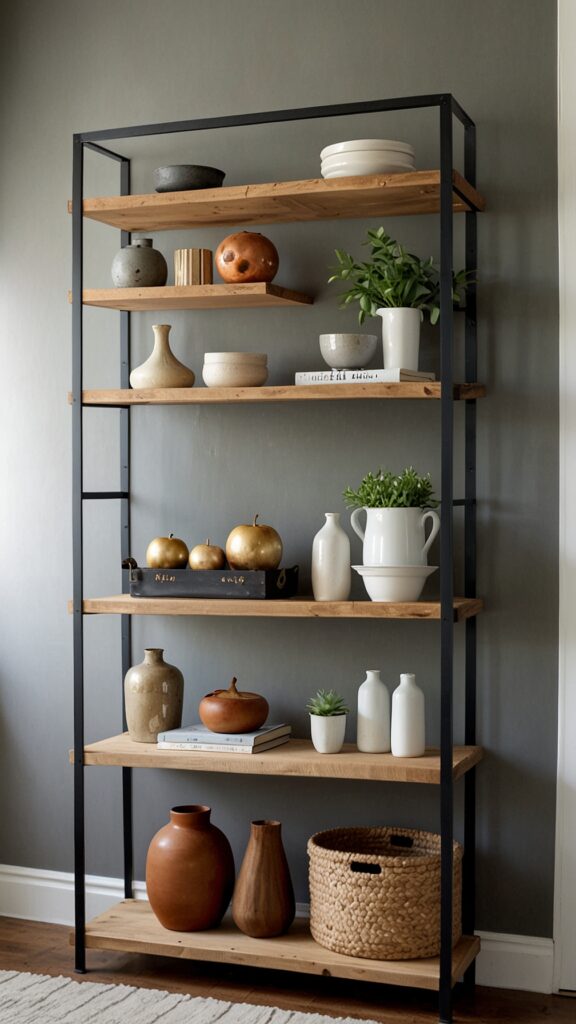
If you choose open shelves, style them intentionally to avoid a cluttered appearance.
Styling guidelines:
- Leave empty space between items
- Mix storage boxes with décor
- Limit décor to a few meaningful pieces
- Group items in odd numbers
This balance keeps shelves visually light while remaining functional.
12. Go Digital to Reduce Physical Storage Needs
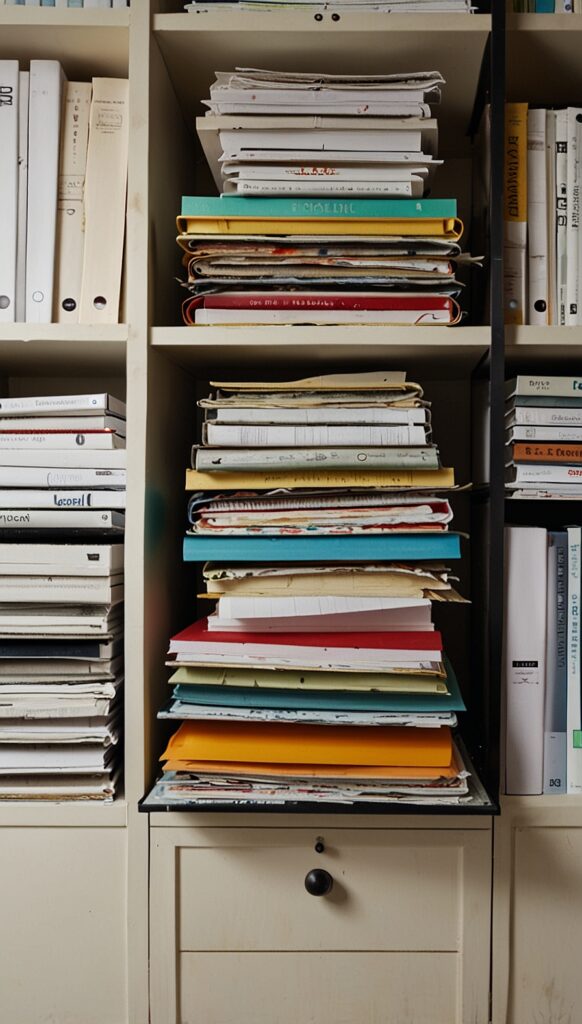
Digital organization is one of the most powerful clutter-reduction tools in a home office.
Digital solutions:
- Cloud storage for documents
- Paperless billing and filing
- Digital note-taking apps
- Scanners for important paperwork
The less paper you store physically, the cleaner your office will feel.
13. Choose Slim and Space-Saving Designs
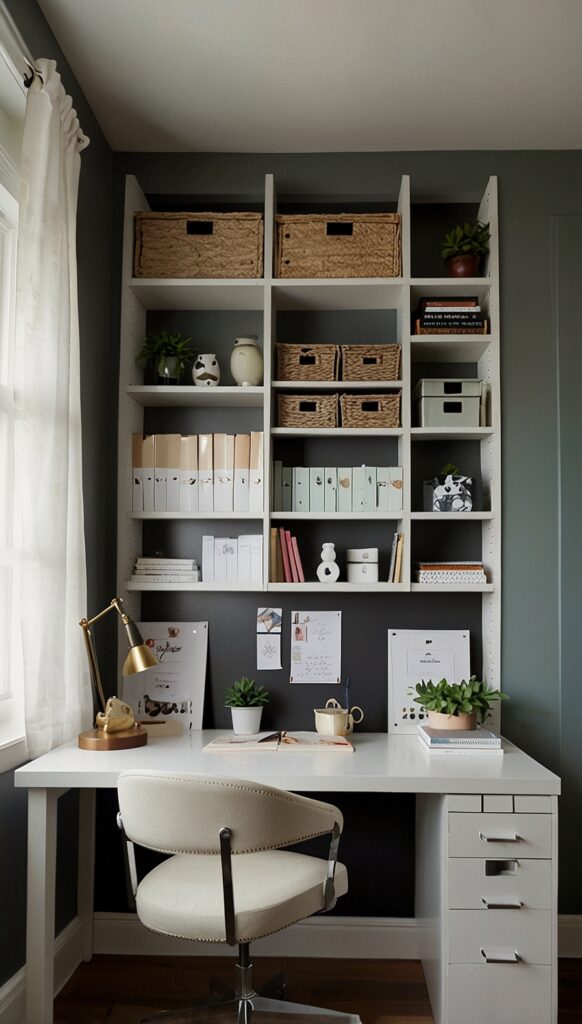
Bulky storage can overwhelm small or medium-sized offices. Instead, choose furniture designed for compact spaces.
Space-saving storage ideas:
- Slim filing cabinets
- Wall-mounted desks with storage
- Narrow shelving units
- Floating drawers
These designs offer storage without making the room feel crowded.
14. Maintain a Weekly Reset Routine
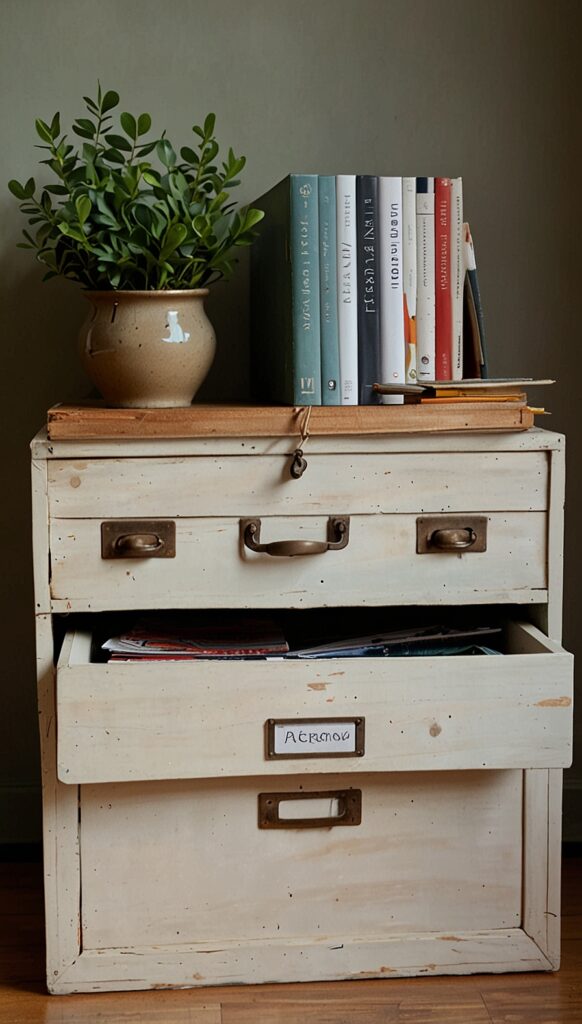
Even the best storage systems require maintenance. A weekly reset ensures clutter doesn’t accumulate.
Weekly reset checklist:
- Clear your desk
- Return items to their designated storage
- Shred unnecessary papers
- Reorganize drawers if needed
Consistency is key to keeping your home office clutter-free.
15. Balance Storage With Breathing Room
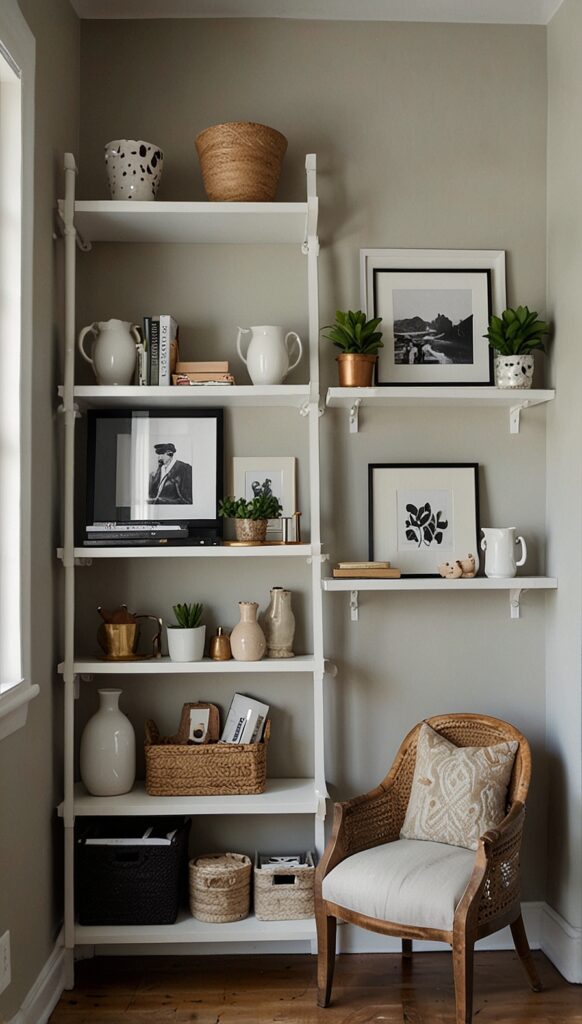
Finally, remember that not every inch of space needs to be filled. Empty space is essential for visual calm and focus.
Keep balance by:
- Avoiding over-shelving
- Leaving some walls bare
- Choosing fewer, higher-quality storage pieces
A home office should feel open, intentional, and inspiring—not crowded.
Conclusion
Incorporating storage solutions without cluttering your home office is all about smart planning, thoughtful design, and intentional organization. By using vertical space, choosing multi-functional and closed storage, maintaining a cohesive color palette, and minimizing unnecessary items, you can create a workspace that supports productivity while remaining visually calm.
When storage blends seamlessly into your office design, it enhances functionality without distraction—allowing you to focus, create, and work comfortably every day. A clutter-free home office isn’t just about organization; it’s about creating an environment that inspires clarity and efficiency.