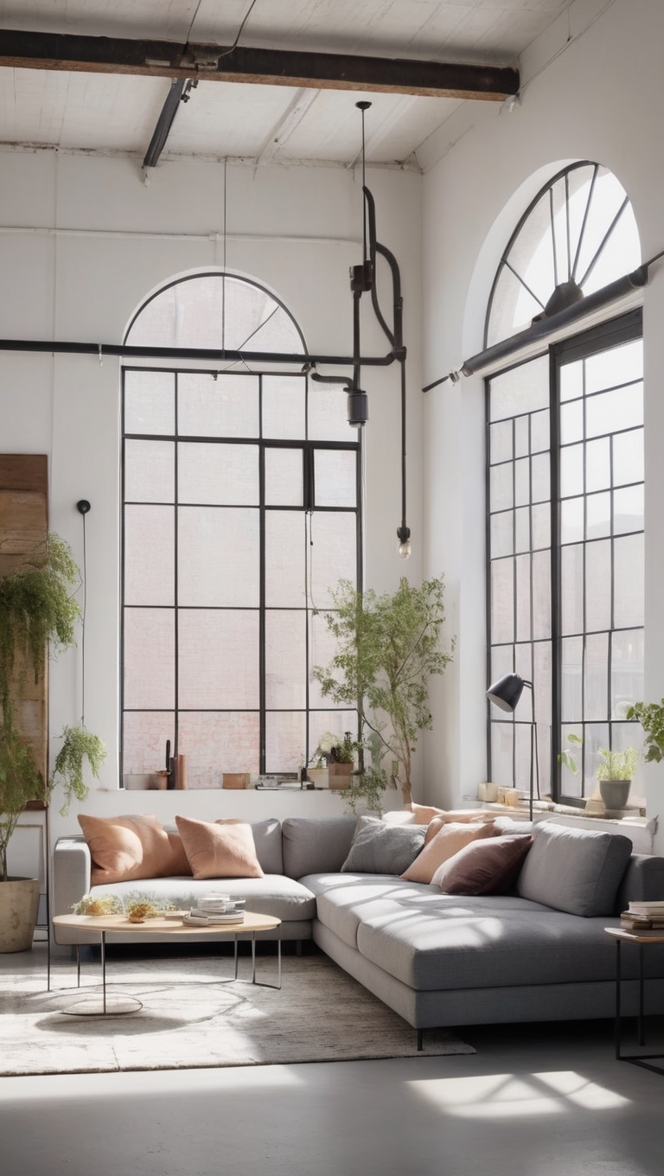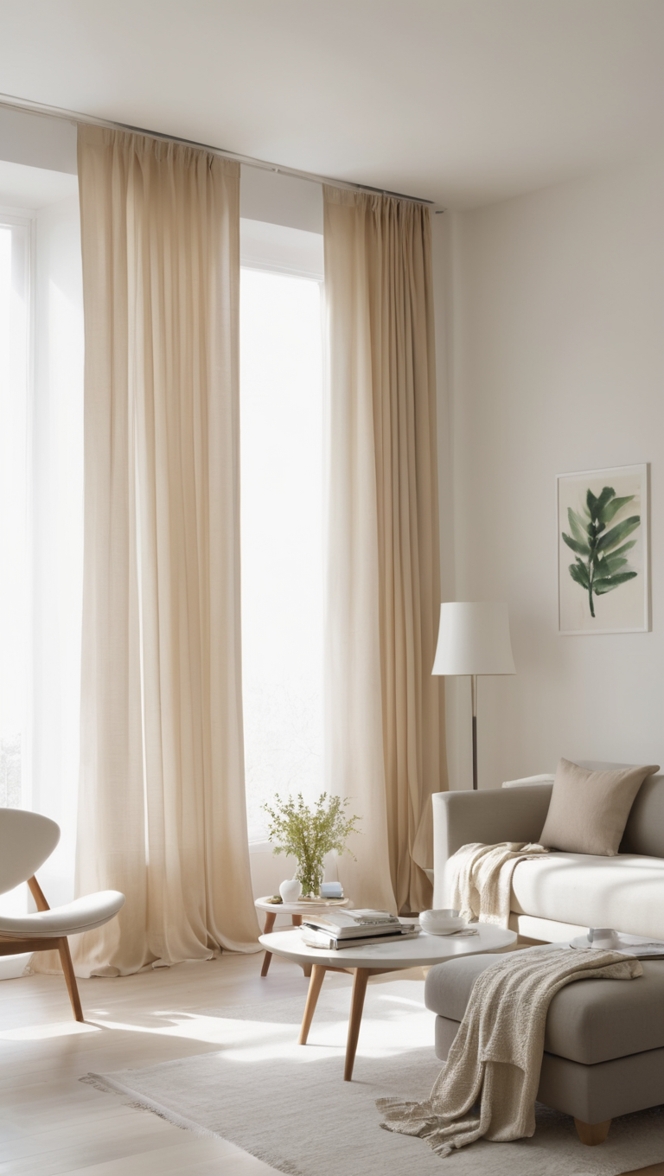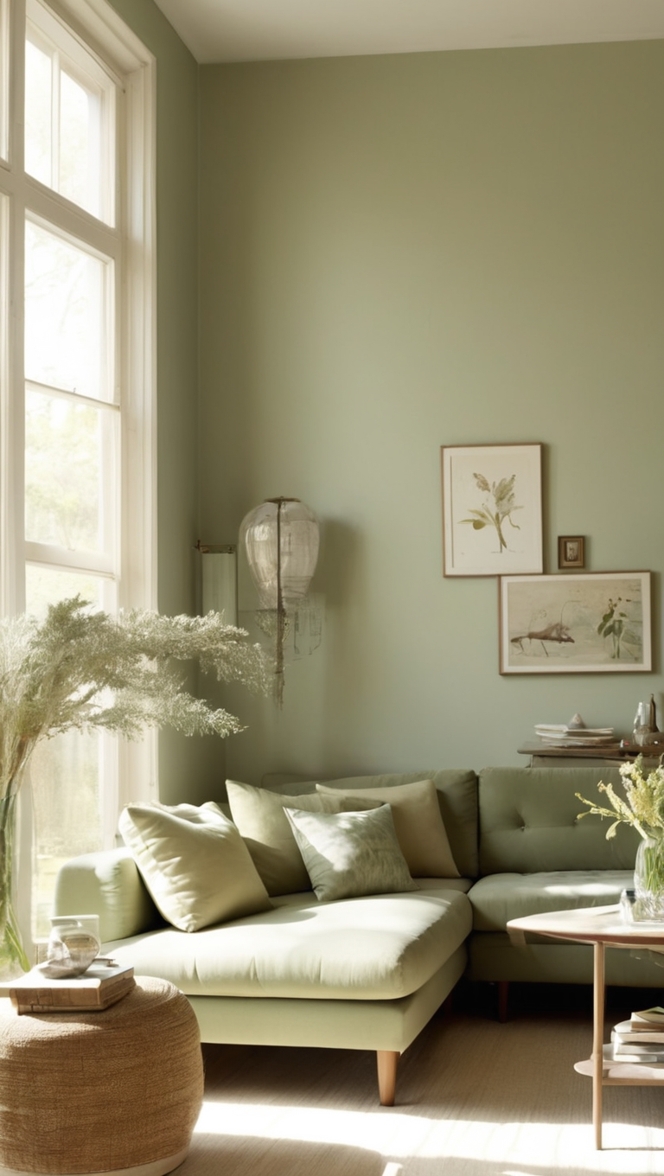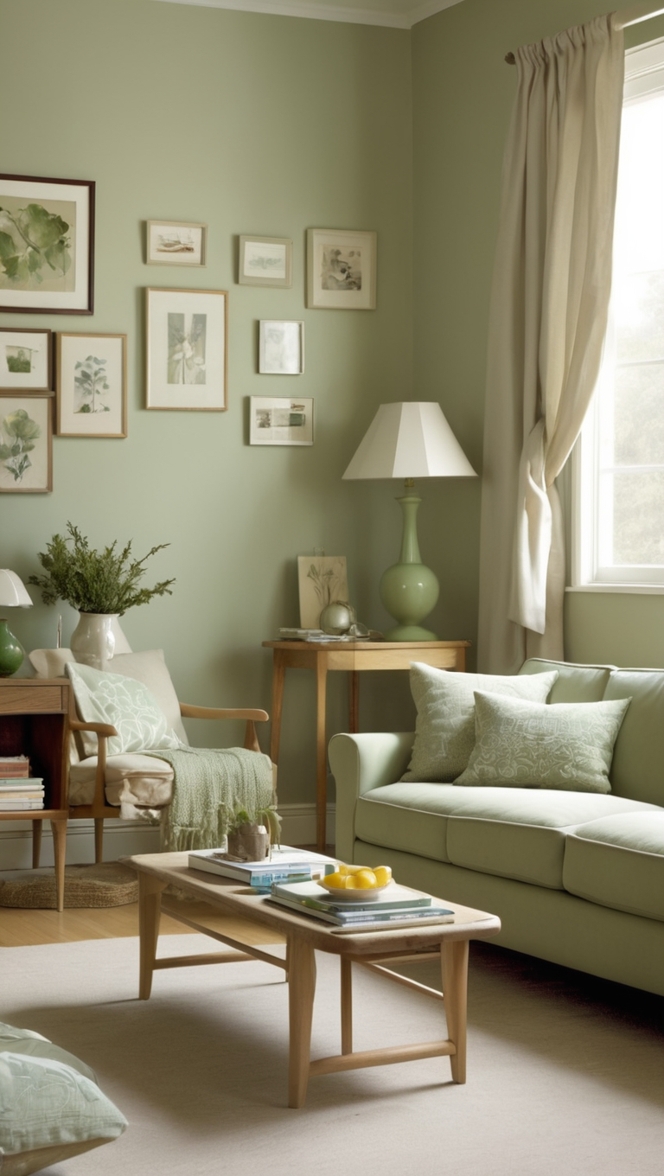
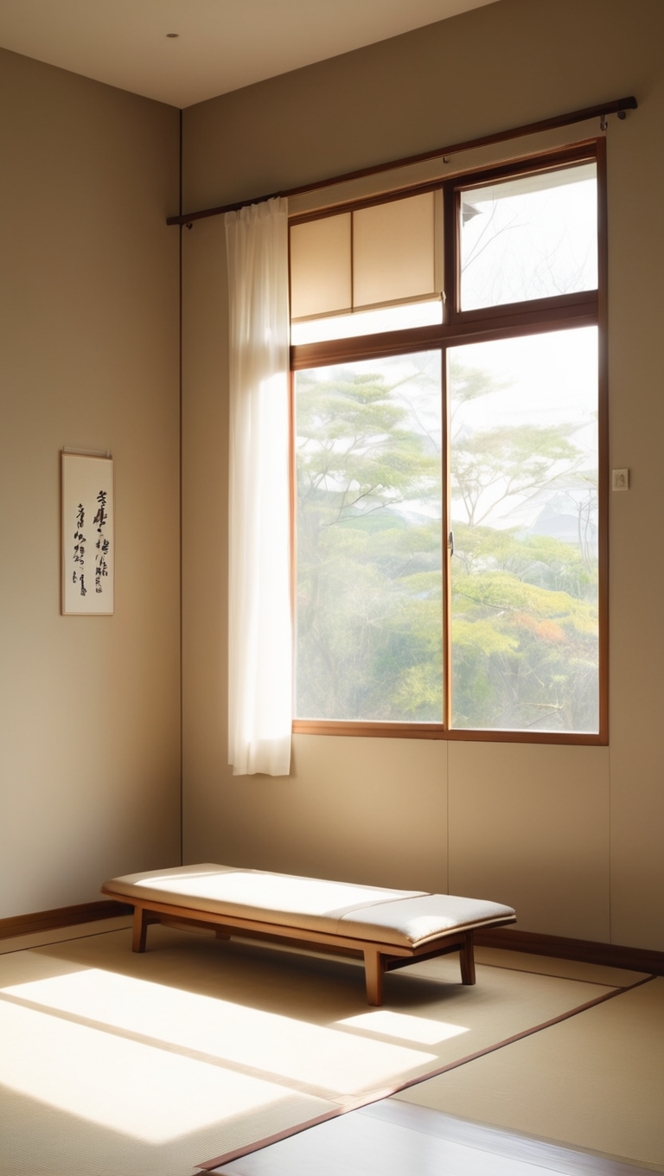
Discover the essence of Japanese minimalist living with key elements for elegant, modern, and simple interior design.
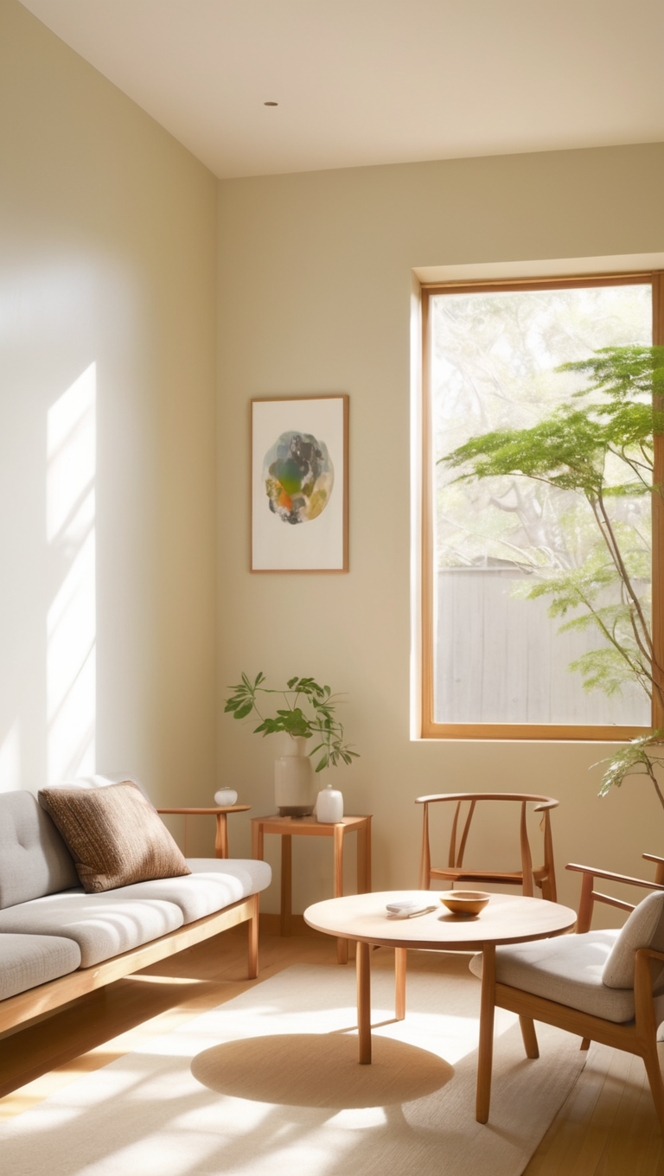
Disclosure: This post contains affiliate links. We may earn a commission at no extra cost to you.
The key elements of a Japanese minimalist living room include clean and simple design, natural materials such as wood and bamboo, neutral color palette, and minimal furniture. To create a Japanese minimalist living room in your home, start by decluttering and removing unnecessary items. Use sliding doors and divider screens to create separate spaces. Incorporate tatami mats, floor cushions, and low furniture to maintain a sense of openness. Adding plants and creating a zen garden corner can enhance the calming atmosphere.
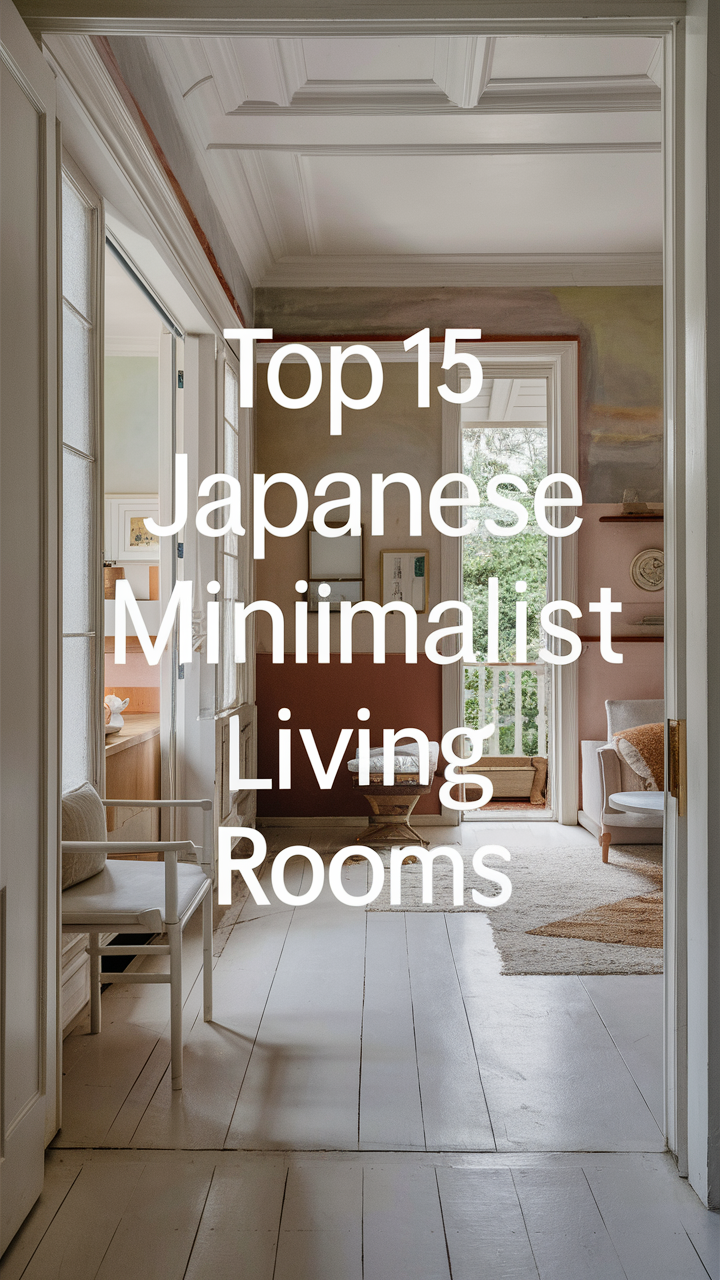
The key elements of a Japanese minimalist living room?
As a homeowner who appreciates the simplicity and elegance of Japanese minimalist design, I have found that there are several key elements that contribute to creating a serene and harmonious living space. In this article, I will explore these elements and how they can be incorporated into your own home.
1. What furniture pieces are essential for a Japanese minimalist living room?
In a Japanese minimalist living room, less is more when it comes to furniture. Essential pieces include low-profile seating such as floor cushions or a simple wooden bench, a low coffee table, and a few carefully selected accent pieces. The furniture should have clean lines and be made of natural materials like wood or bamboo to create a sense of warmth and tranquility.
2. How does color scheme play a role in creating a Japanese minimalist living room?
The color scheme in a Japanese minimalist living room is typically neutral and subdued, with an emphasis on earth tones like beige, gray, and light brown. These colors help to create a sense of calm and balance in the space, allowing the furniture and architectural elements to take center stage. Accents of black or dark brown can be used to add contrast and depth to the room.
3. What role do natural materials play in Japanese minimalist design?
Natural materials such as wood, bamboo, paper, and stone are essential elements of Japanese minimalist design. These materials are prized for their simplicity, durability, and connection to nature. Incorporating these materials into your living room can help to create a sense of harmony and balance, as well as a connection to the natural world.
4. How can lighting enhance the aesthetics of a Japanese minimalist living room?
Lighting is a crucial element in Japanese minimalist design, as it can help to create a sense of warmth and intimacy in the space. Natural light is preferred, so consider using sheer curtains or no window treatments at all to maximize the amount of sunlight that enters the room. Soft, diffused lighting fixtures like paper lanterns or minimalistic pendant lights can also be used to create a cozy atmosphere in the evenings.
5. What are some tips for decluttering and organizing a Japanese minimalist living room?
To maintain the clean and uncluttered look of a Japanese minimalist living room, it is important to regularly declutter and organize the space. Start by paring down your belongings to only the essentials and finding storage solutions that are both functional and aesthetically pleasing. Use baskets, shelves, and hidden storage options to keep clutter out of sight and maintain a sense of order in the room.
6. How can incorporating plants add to the ambiance of a Japanese minimalist living room?
Plants play a significant role in Japanese design, symbolizing nature, purity, and tranquility. Incorporating plants into your minimalist living room can help to bring a sense of life and vitality to the space. Choose simple, low-maintenance plants like bonsai trees, bamboo, or peace lilies, and display them in elegant ceramic pots or wooden planters to enhance the overall aesthetic of the room.
7. What are some traditional Japanese design elements that can be incorporated into a minimalist living room?
Traditional Japanese design elements such as shoji screens, tatami mats, and sliding doors can be incorporated into a minimalist living room to add a touch of authenticity and cultural richness. These elements not only enhance the aesthetic appeal of the space but also contribute to creating a sense of tranquility and harmony. Consider integrating these traditional design elements into your living room to experience the timeless beauty of Japanese minimalist design.
In conclusion, creating a Japanese minimalist living room involves carefully selecting furniture, using a neutral color scheme, incorporating natural materials, optimizing lighting, decluttering and organizing the space, adding plants for ambiance, and integrating traditional Japanese design elements. By following these key elements, you can transform your living room into a peaceful and harmonious retreat that reflects the beauty and simplicity of Japanese minimalist design.
Creating a Japanese Minimalist Living Room: 12 Unique Ideas for a Calm and Serene Space
When it comes to designing a Japanese minimalist living room, there are key elements that play a crucial role in achieving a clean, simple, and calming space. From natural materials to a neutral color palette, here are 12 unique ideas to help you create a serene Japanese minimalist living room in your home.
1. Embrace Natural Materials:
One of the essential elements of a Japanese minimalist living room is the use of natural materials such as wood and bamboo. Opt for furniture and decor made from these materials to bring a touch of nature into your space.
2. Choose a Neutral Color Palette:
To maintain a sense of simplicity and tranquility, stick to a neutral color palette for your walls, furniture, and decor. Soft whites, muted grays, and earthy tones can help create a peaceful atmosphere in your living room.
3. Declutter and Simplify:
Before you start designing your Japanese minimalist living room, declutter and remove unnecessary items from the space. Keep only the essentials and create a sense of openness by minimizing clutter.
4. Use Sliding Doors and Divider Screens:
Create separate spaces within your living room by using sliding doors and divider screens. This allows you to section off areas when needed while maintaining an open and airy feel in the room.
5. Incorporate Tatami Mats:
Tatami mats are a traditional Japanese flooring option that can add an authentic touch to your minimalist living room. Place tatami mats on the floor to create a comfortable and serene space for relaxation.
6. Opt for Floor Cushions and Low Furniture:
Instead of traditional sofas and chairs, consider using floor cushions and low furniture in your Japanese minimalist living room. This helps to maintain a low profile and creates a cozy seating area for guests.
7. Add Plants for a Touch of Greenery:
Bringing nature indoors is a key aspect of Japanese minimalism. Add plants such as bonsai trees, bamboo, or peace lilies to your living room to create a sense of tranquility and harmony.
8. Create a Zen Garden Corner:
Incorporate a zen garden corner in your living room to enhance the calming atmosphere. Use sand, rocks, and a miniature rake to create a peaceful and meditative space within your home.
9. Opt for Soft and Natural Lighting:
To create a warm and inviting atmosphere in your minimalist living room, opt for soft and natural lighting options. Use paper lanterns, floor lamps, or pendant lights to illuminate the space.
10. Display Artwork with Simple Designs:
Choose artwork with simple and minimalist designs to adorn the walls of your living room. Opt for traditional Japanese prints, calligraphy, or nature-inspired artwork to complement the overall aesthetic.
11. Incorporate Elements of Wabi-Sabi:
Wabi-Sabi is a Japanese aesthetic that celebrates imperfection and impermanence. Incorporate elements of wabi-sabi in your living room by embracing simple, handmade decor items and natural textures.
12. Stay True to Minimalism:
Above all, remember to stay true to the principles of minimalism in your Japanese minimalist living room. Keep the space clean, uncluttered, and focused on simplicity to create a serene and harmonious environment.
By incorporating these 12 unique ideas, you can create a Japanese minimalist living room that exudes calmness, simplicity, and tranquility. Embrace natural materials, declutter your space, and focus on creating a serene atmosphere to achieve the perfect balance of minimalism and Japanese aesthetics.